
Are Standing Desks Healthier Than Sitting? Evidence, Benefits & Risks

In recent years, standing desks have become a popular solution for people seeking healthier work habits, especially as more jobs require long periods of computer use. But are standing desks truly healthier than sitting? And what does scientific research actually say about the benefits—and potential drawbacks—of standing while working?
This article provides a clear evidence-based explanation, helping you understand when standing desks are beneficial, when they are not, and how to use them correctly.
Quick Answer: Are Standing Desks Healthier?
Standing desks can be healthier than prolonged sitting when used correctly and in moderation. Research consistently shows that alternating between sitting and standing helps reduce back pain, improve energy levels, enhance posture, and decrease some risks linked to sedentary behavior. However, standing all day is not healthier—and can introduce its own issues.
The key is movement, not just standing.
Why Sitting for Long Periods Is a Health Concern
Modern office work often means sitting for 6–10 hours a day. Numerous studies link prolonged sitting with:
Increased lower-back and neck pain
Reduced metabolic activity
Higher risk of type 2 diabetes
Cardiovascular strain
Weight gain
Lower energy and focus
Sitting itself is not harmful—sitting for too long without breaks is.
Standing desks were introduced to counter these effects by encouraging light movement and posture variation.
Why Are Standing Desks Considered Healthier?
Standing desks help break sedentary habits by promoting subtle movements and more upright posture. Evidence shows they can. For a deeper breakdown of models, features, and long-term use recommendations, see our Best Standing Desks for Home & Office in 2026 — Full Review.:
Improve energy and alertness
Reduce pressure on the spine
Increase blood circulation
Lightly boost metabolism
Encourage better posture habits
They don’t replace exercise, but they help reduce the negative effects of sitting continuously.
Key Benefits of Using a Standing Desk
A well-adjusted standing desk used correctly can provide several advantages:
Less back and neck discomfort
Higher energy levels during long work sessions
Improved circulation and reduced stiffness
More natural posture and reduced hunching
Better mental focus due to increased movement
Greater flexibility to change working positions
These benefits are strongest when users alternate between sitting and standing instead of choosing one static posture.
Many of these benefits become even more noticeable when combined with the right workspace setup and accessories, as explained in our Best Desk Accessories for Productivity in 2026.
The goal is not to stand all day, but to build a workspace that lets you change position comfortably. For buying guidance, see our guide to choosing the right standing desk setup.
How Long Should You Stand Each Day?
Most ergonomics experts recommend the “sit-stand switch” approach:
✔ Sit for 20–30 minutes →
✔ Stand for 20–30 minutes →
✔ Repeat throughout the day
The ideal balance is often 1–2 hours of standing for every 6–8 hours of desk work, gradually increasing up to 4 hours of standing spread across the day.
Long, continuous standing is not recommended.
Are There Risks to Standing Too Much?
Yes. While standing can relieve pressure on the spine, excessive or static standing may lead to:
Leg and foot fatigue
Knee or hip discomfort
Varicose vein pressure
Lower-back strain from unsupported posture
These issues are avoidable with:
Anti-fatigue mats
Supportive footwear
Regular movement
Alternating sitting and standing
Again, balance—not standing alone—is what improves health outcomes.
Do Standing Desks Improve Productivity?
Evidence suggests standing desks may slightly improve productivity, especially for repetitive or focus-based tasks. Users often report feeling more alert and engaged, which can help maintain concentration.
However, a standing desk will not dramatically change productivity levels on its own—the primary benefit is physical, not cognitive.
Do Standing Desks Help With Posture?
They can. Standing encourages a more neutral alignment of the spine and reduces the tendency to slouch. A properly adjusted desk can help you:
Keep your screen at eye level
Maintain open chest and shoulders
Distribute body weight evenly
But posture improvements depend more on movement and workstation ergonomics than on standing alone.
Are Standing Desks Easy to Use?
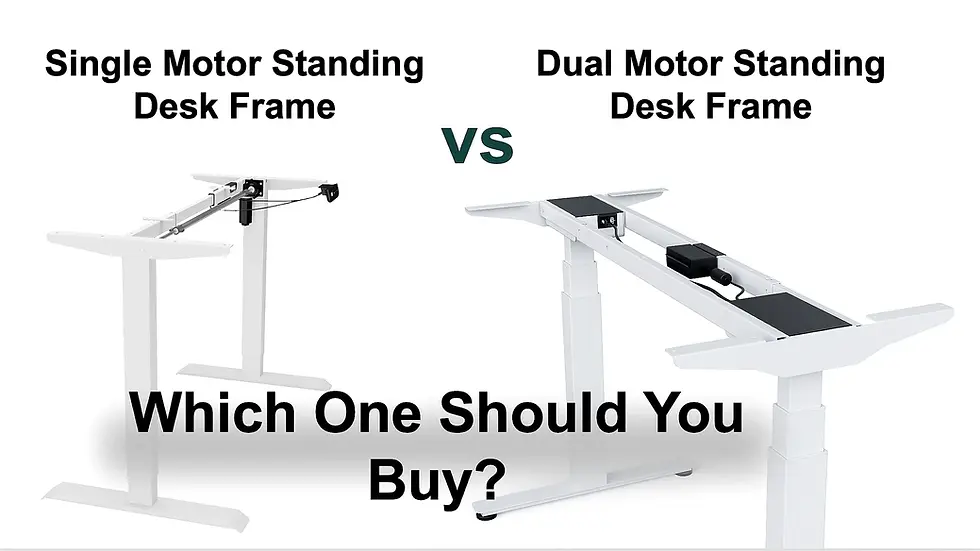
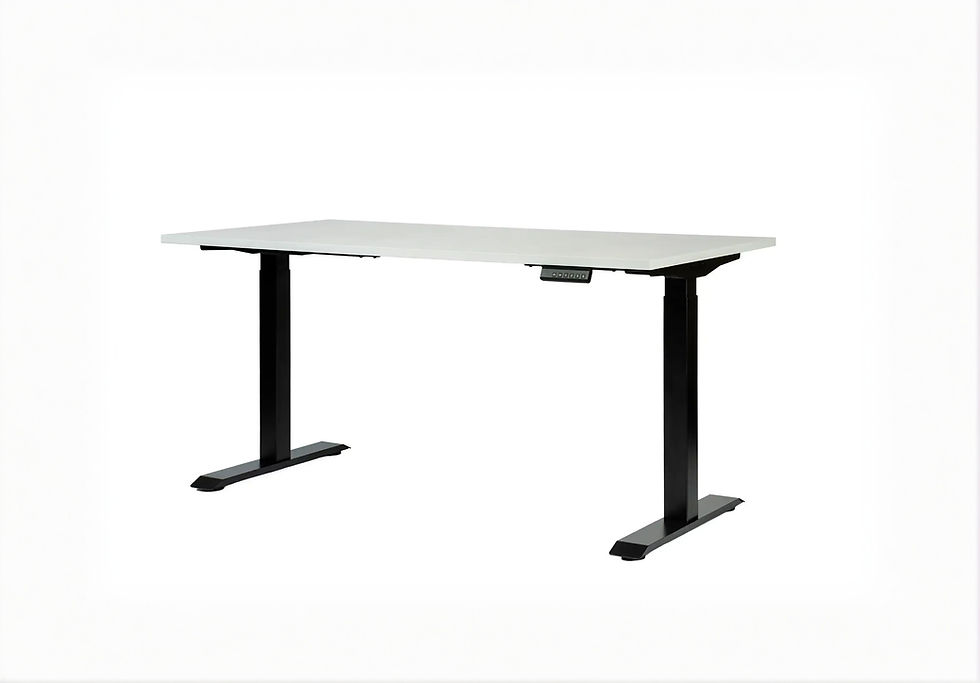
Modern electric standing desks are designed to be intuitive and user-friendly. Most models allow:
Smooth height adjustments
Saveable height presets
Quiet operation
Support for various tabletop sizes
As long as the desk height matches your body, the transition between sitting and standing is effortless.
Who Should Use a Standing Desk?
Standing desks are beneficial for:
Office workers using a PC or laptop for long hours
Remote workers
Students
Creative professionals
Developers, designers, analysts
Anyone experiencing discomfort from long sitting
They are particularly useful for people who want to reduce back pain, improve comfort, or simply add more movement into their day.
Can Standing Desks Be Used in Small or Medium Workspaces?
Absolutely. Standing desks—especially modular electric frames—fit well into home offices, collaborative spaces, corporate environments, and open-plan layouts. Their adjustability makes them suitable for shared workstations too.
People Also Ask: Expert Answers
1. Is a standing desk better for your back?
Often yes. Standing reduces pressure on the lower spine and encourages upright posture. Alternating positions is key.
2. Can a standing desk help with weight loss?
Standing burns more calories than sitting, but the effect is small. Standing desks are not weight-loss tools; they complement an active lifestyle.
3. Can you stand too much while working?
Yes—excessive standing can strain joints and cause discomfort. Short standing intervals are healthier.
4. What is the healthiest way to use a standing desk?
Alternate positions, maintain neutral posture, and adjust the monitor and desk height to your body.
5. Do you need a special chair for a standing desk?
An ergonomic chair or active-sitting stool can enhance comfort during sitting intervals.
Final Thoughts: Should You Switch to a Standing Desk?
Standing desks are not a cure-all and not inherently healthier than sitting all day. However, they are an effective tool for reducing the risks of prolonged sitting, improving comfort, and adding movement to your daily routine. When used thoughtfully—alongside ergonomic posture and regular breaks—they contribute meaningfully to long-term wellbeing.
If you’re considering upgrading your workspace, exploring high-quality adjustable frames, such as those available from manufacturers across the EU including Standesk.eu, can help you build a more comfortable and flexible setup.


























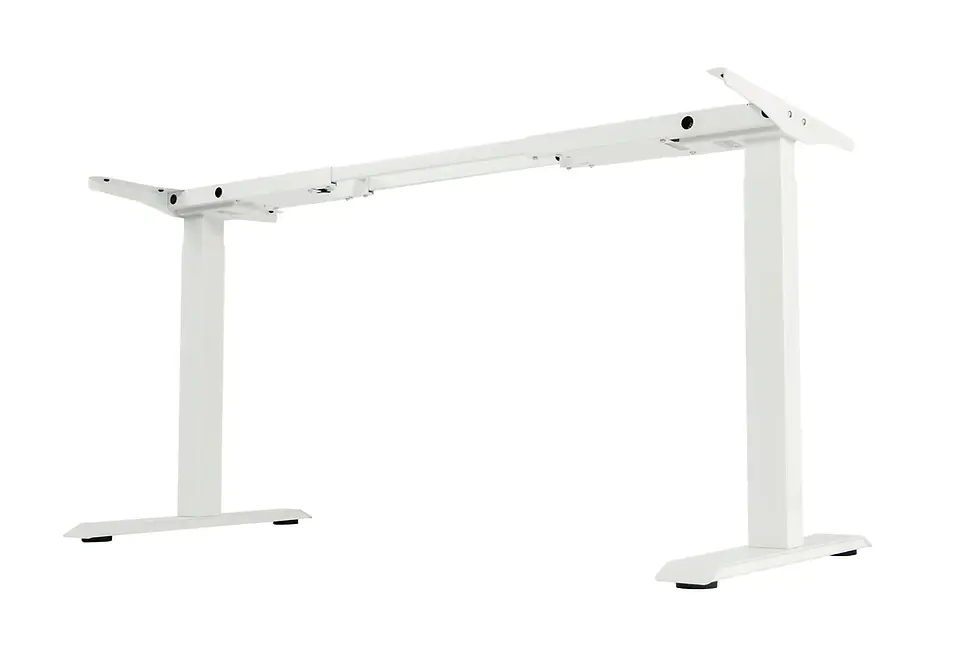
I’ve spent a lot of time experimenting with standing desks, trying to figure out if they’re really healthier than sitting. The truth is, both have their benefits ergonomic office chair —and the key is balance. That’s why pairing a standing desk with a high-quality ergonomic chair, like those from Paperloops, makes a huge difference