
Are IEMs Better Than Gaming Headsets in 2026? FPS, Footsteps, Comfort, Mic & Sound Compared

If you're planning to upgrade your gaming audio setup in 2026, you've probably asked yourself one question:
Should I buy gaming IEMs or a gaming headset?
It's one of the most debated topics among PC gamers today.
Professional Counter-Strike 2 players increasingly use in-ear monitors (IEMs) during tournaments. Competitive VALORANT players praise their precise imaging. At the same time, millions of gamers still prefer traditional gaming headsets for their larger earcups, integrated microphones and wireless convenience.
So who is right?
The short answer is:
Neither.
The best choice depends on how you play, what games you play, where you play and what you expect from your audio equipment.
If your primary goal is hearing footsteps as accurately as possible in Counter-Strike 2, your ideal setup may be completely different from someone who spends evenings playing story-driven RPGs or watching movies.
That's exactly why this guide exists.
Rather than declaring one winner, we'll explain the real strengths and weaknesses of both formats, separate marketing from reality and help you choose the option that actually fits your needs.
Whether you're buying your first gaming IEM, replacing an ageing headset or simply wondering why so many competitive players have switched to in-ear monitors, this guide will answer the questions that matter.
Quick Answer: Are IEMs Better Than Gaming Headsets?
If you only have one minute, here's the short version.
Choose an IEM if you:
mainly play competitive FPS games;
want precise positional audio;
prefer lightweight equipment;
play for long sessions;
already own a dedicated microphone;
want excellent sound quality for your budget.
Choose a gaming headset if you:
want an all-in-one solution;
need a boom microphone;
prefer wireless freedom;
enjoy immersive single-player games;
regularly voice chat without using a separate microphone.
For many competitive players, a high-quality wired IEM delivers outstanding performance because it combines excellent passive noise isolation with accurate imaging and virtually zero wireless latency.
However, gaming headsets remain the better choice for many users who value convenience over absolute audio performance.
Neither product category is universally better.
The real question is:
Which one is better for the way you play?
Why More Competitive Players Are Switching to IEMs
Five years ago, gaming IEMs were still considered a niche product.
Today, they're everywhere.
Visit almost any Counter-Strike 2 Major, VALORANT Champions event or international esports tournament and you'll notice something interesting.
Many professional players are no longer wearing a traditional gaming headset directly on their ears.
Instead, they wear:
high-quality wired IEMs;
plus an over-ear noise-isolating headset supplied by the tournament organiser.
This setup often surprises people.
The large headset isn't necessarily being used because it sounds better.
Its main purpose is usually to reduce crowd noise and satisfy tournament communication requirements, while the player actually listens to game audio through the IEM underneath.
That alone has changed how many gamers think about audio.
If professional players trust IEMs in million-dollar tournaments, it's natural to wonder whether they're also the better choice at home.
The answer isn't quite that simple.
Professional esports players have very different priorities from casual gamers.
Their goal isn't cinematic immersion.
It's consistency.
Every footstep.
Every reload.
Every directional cue.
Every tiny piece of information matters.
That doesn't automatically mean the same setup is ideal for everyone.
What Actually Matters in Gaming Audio?
One of the biggest mistakes buyers make is focusing on the wrong specifications.
Marketing often promotes:
virtual 7.1 surround;
massive bass;
RGB lighting;
oversized drivers;
wireless features.
Very little attention is given to the characteristics that genuinely improve gaming performance.
For competitive gaming, the most important qualities are usually:
Accurate imaging
Can you identify exactly where an enemy is?
Not just left or right.
Can you distinguish:
above;
below;
behind;
around a corner?
Good imaging often matters more than exaggerated surround effects.
Separation
When multiple sounds happen at once:
footsteps;
explosions;
gunfire;
voice chat;
utility;
can you still clearly distinguish each one?
Good separation prevents important audio cues from disappearing into chaos.
Controlled bass
Many gamers believe more bass equals better gaming.
In reality, excessive bass can mask the very sounds you're trying to hear.
For competitive shooters, controlled low frequencies are often more useful than overwhelming impact.
Comfort
Audio quality becomes irrelevant if your ears or head hurt after two hours.
Competitive players frequently spend:
four hours;
six hours;
sometimes even longer
wearing the same audio equipment.
Comfort isn't a luxury.
It's a performance factor.
Consistency
Finally, your audio should remain consistent every time you play.
A predictable sound signature helps your brain recognise positional cues faster than constantly changing EQ profiles or artificial surround modes.
The Biggest Myth in Gaming Audio
Perhaps the biggest misconception on the internet is this:
"Gaming headsets are designed for gaming, so they must be better for gaming."
That's an understandable assumption.
But it's also an oversimplification.
Some gaming headsets offer genuinely excellent sound.
Others rely heavily on software processing, virtual surround marketing and visual features while the actual audio quality remains fairly average.
The same applies to IEMs.
Not every IEM is suitable for gaming.
Some are tuned specifically for music.
Others emphasise bass so heavily that important in-game sounds become less distinct.
The goal isn't to buy a product because it's labelled "gaming."
The goal is to buy a product that reproduces game audio accurately enough for the games you actually play.
That's a much more useful way to think about your next upgrade.
What We'll Compare in This Guide
Throughout the rest of this article, we'll compare IEMs and gaming headsets in every area that actually matters, including:
FPS performance;
footsteps and positional audio;
imaging versus soundstage;
music quality;
comfort during long gaming sessions;
microphones;
PC, PlayStation 5 and Xbox compatibility;
wired versus wireless latency;
value for money;
and which solution we recommend for different types of players.
By the end of this guide, you should know exactly whether a gaming IEM or a gaming headset is the better investment for your setup in 2026.
IEM vs Gaming Headset: Side-by-Side Comparison
Before diving into technical details, let's answer the question most buyers have:
Which one is actually better?
The honest answer depends on what you value most.
Category | Gaming IEM | Gaming Headset |
Competitive FPS | ⭐⭐⭐⭐⭐ | ⭐⭐⭐⭐☆ |
Positional accuracy | ⭐⭐⭐⭐⭐ | ⭐⭐⭐⭐☆ |
Footstep clarity | ⭐⭐⭐⭐⭐ | ⭐⭐⭐⭐☆ |
Passive noise isolation | ⭐⭐⭐⭐⭐ | ⭐⭐⭐☆☆ |
Music quality | ⭐⭐⭐⭐⭐ | ⭐⭐⭐⭐☆ |
Long-session comfort | ⭐⭐⭐⭐⭐ | ⭐⭐⭐⭐☆ |
Built-in microphone | ⭐⭐☆☆☆ | ⭐⭐⭐⭐⭐ |
Wireless options | ⭐☆☆☆☆ | ⭐⭐⭐⭐⭐ |
Portability | ⭐⭐⭐⭐⭐ | ⭐⭐☆☆☆ |
Plug & Play convenience | ⭐⭐⭐⭐☆ | ⭐⭐⭐⭐⭐ |
Value for money | ⭐⭐⭐⭐⭐ | ⭐⭐⭐⭐☆ |
Neither category wins every comparison.
Instead, they excel in different situations.
Let's look at the areas that actually influence your gaming experience.
Footsteps: Which One Helps You Hear Enemies Better?
This is probably the biggest reason gamers consider switching to IEMs.
The question appears constantly:
Can I hear footsteps better with IEMs than with a gaming headset?
The answer is:
Sometimes—but not because IEMs magically produce more detail.
What actually helps is a combination of factors.
1. Better passive isolation
Because an IEM seals inside the ear canal, outside noise is naturally reduced.
That means:
keyboard sounds become less distracting;
PC fan noise is reduced;
air conditioning becomes less noticeable;
conversations in the room interfere less.
Your brain has fewer distractions.
As a result, quieter game sounds often become easier to notice.
2. Less bass masking
Many gaming headsets intentionally boost bass.
That creates exciting explosions.
It also creates a problem.
Large bass energy can partially hide subtle sounds like:
footsteps;
reloads;
weapon switching;
utility deployment.
Well-tuned gaming IEMs generally keep bass under better control.
That often makes important competitive sounds easier to distinguish.
3. More consistent positioning
Because IEMs sit directly inside your ears, their position changes very little.
Large headphones can shift slightly every time you move your head.
Although the difference is usually small, many competitive players appreciate the consistency of a properly fitted IEM.
Imaging vs Soundstage: The Most Misunderstood Topic in Gaming Audio
If you've watched YouTube reviews, you've probably heard reviewers say things like:
"This headphone has amazing soundstage."
or
"This IEM has fantastic imaging."
Many buyers assume those words mean the same thing.
They don't.
Understanding the difference can completely change how you choose your next audio device.
What is imaging?
Imaging answers one question:
Exactly where is the sound coming from?
Good imaging allows you to distinguish:
front;
behind;
above;
below;
left;
right.
For competitive shooters, this is arguably the single most important characteristic.
When someone walks upstairs in Counter-Strike 2 or rotates behind you in VALORANT, good imaging helps your brain recognize that position immediately.
What is soundstage?
Soundstage describes how large the virtual environment feels.
Imagine listening to an orchestra.
A wide soundstage makes instruments feel spread across a larger space.
That creates immersion.
For music, movies and many single-player games, this can be wonderful.
For competitive FPS games?
It's not always an advantage.
Why Bigger Soundstage Doesn't Automatically Mean Better Gaming
This is where many buyers make expensive mistakes.
A headphone with an enormous soundstage doesn't necessarily provide more accurate positioning.
Sometimes the opposite happens.
A very wide presentation can make sounds appear more distant without improving their exact location.
Competitive players generally benefit more from:
precise imaging;
clean separation;
consistent directional cues;
than from an exaggerated sense of width.
That's one reason many esports players prefer equipment with accurate imaging over the widest possible presentation.
Virtual 7.1 Surround: Marketing or Real Advantage?
Almost every gaming headset advertises:
7.1 Surround
Virtual Surround
Spatial Audio
360 Audio
It sounds impressive.
But does it actually improve competitive gaming?
Usually...
Not as much as marketing suggests.
Modern games already contain sophisticated positional audio engines.
Counter-Strike 2.
VALORANT.
Apex Legends.
Rainbow Six Siege.
All of these games generate directional information before your headset or IEM ever receives the signal.
Virtual surround software simply processes that signal again.
Sometimes it works well.
Sometimes it adds:
echo;
reverb;
unnatural positioning;
blurred footsteps.
Many experienced competitive players eventually disable virtual surround entirely and return to stereo.
A good stereo audio device with excellent imaging often performs better than mediocre hardware relying on aggressive software processing.
Which Performs Better in Different Games?
Different games place different demands on your audio equipment.
That's why there's no universal winner.
Counter-Strike 2
Priority:
footsteps;
positioning;
utility;
reload sounds.
Winner:
Gaming IEM
The combination of isolation, controlled bass and accurate imaging makes quality IEMs particularly effective here.
VALORANT
Similar priorities to Counter-Strike 2.
Again, accurate positioning matters more than cinematic immersion.
Winner:
Gaming IEM
Rainbow Six Siege
Perhaps the most audio-dependent competitive shooter available.
Vertical positioning is critical.
Winner:
Gaming IEM
Apex Legends
Apex combines:
positioning;
verticality;
fast movement;
environmental ambience.
This becomes much closer.
Winner:
Tie
Excellent IEMs and excellent headsets can both perform extremely well.
Call of Duty
Call of Duty mixes:
cinematic explosions;
environmental effects;
footsteps;
multiplayer;
campaign.
Players who mainly enjoy multiplayer may appreciate IEM precision.
Campaign players often prefer larger headphones for immersion.
Winner:
Depends on game mode
Story-driven games
Examples:
Cyberpunk 2077
Red Dead Redemption 2
Kingdom Come: Deliverance II
Here immersion becomes more important than pure competitive performance.
Winner:
Gaming Headset
Many premium headphones create a larger, more cinematic presentation.
So Which Is Better for Competitive FPS?
If your only goal is:
winning more gunfights through better audio awareness
then a good gaming IEM is extremely difficult to beat.
Not because it has "more surround."
Not because it has "better bass."
But because it focuses on the qualities that actually matter:
accurate imaging;
clean separation;
controlled tuning;
excellent isolation;
lightweight comfort.
That's why so many competitive players have moved toward IEMs in recent years.
Comfort: Which Is Better for Long Gaming Sessions?
Most buyers focus on sound quality.
Yet after talking to hundreds of gamers, one factor often decides whether they keep using their new audio device:
Comfort.
You can own the world's best-sounding headset, but if it becomes uncomfortable after two hours, you'll naturally want to take it off.
The same applies to IEMs.
Let's compare both.
Why Many Gamers Switch to IEMs After Long Sessions
A typical gaming headset weighs between 250 and 400 grams.
Premium wireless models often weigh even more.
That weight rests on:
the top of your head;
both ears;
your neck.
During a quick one-hour session, that's rarely a problem.
After six hours?
It becomes much more noticeable.
Many gamers experience:
warm ears;
pressure on the jaw;
flattened hair;
neck fatigue;
headaches.
A good IEM avoids almost all of these issues.
Most weigh less than 10 grams per ear.
Once properly fitted, many players forget they're even wearing them.
But IEMs Aren't Automatically More Comfortable
This is another common misconception.
Comfort depends on:
ear shape;
nozzle size;
shell design;
ear tip material;
insertion depth.
A poorly fitting IEM can become uncomfortable surprisingly quickly.
Fortunately, most quality IEMs include several sizes of silicone tips, while many users later switch to premium foam tips for an even better seal.
Finding the correct ear tip often improves:
comfort;
bass response;
passive isolation;
stability.
In other words:
Don't judge an IEM until you've tried the right ear tips.
Which Is Better for Glasses Wearers?
This question rarely appears in reviews.
But it's important.
Large gaming headsets press the ear cushions against the arms of your glasses.
After several hours, many people notice pressure around the temples.
IEMs avoid this entirely.
If you wear glasses every day, that's another advantage worth considering.
Music: Which Sounds Better?
Many buyers initially search for gaming audio.
Then they remember something important.
They also listen to music.
Spotify.
Apple Music.
YouTube.
Movies.
Streaming.
Here the comparison becomes more interesting.
Why Many IEMs Sound More Natural
High-quality IEMs often originate from the audio industry rather than gaming.
Their tuning typically focuses on:
balance;
detail;
instrument separation;
vocal clarity.
Many gaming headsets, on the other hand, are tuned to sound exciting immediately.
That usually means:
elevated bass;
brighter treble;
cinematic presentation.
There's nothing wrong with that.
It simply serves a different purpose.
If you spend as much time listening to music as playing games, a good IEM is often the more versatile investment.
What About Movies?
Movies sit somewhere in the middle.
Large gaming headsets often create:
wider ambience;
stronger cinematic feeling;
more spacious explosions.
Quality IEMs usually provide:
cleaner dialogue;
better detail;
more controlled bass;
excellent clarity.
Neither approach is objectively superior.
It depends on what you personally enjoy.
Microphones: Where Gaming Headsets Still Win
This is probably the easiest comparison.
Gaming headsets were designed as complete communication devices.
Many include:
flip microphones;
noise reduction;
mute buttons;
volume wheels;
wireless chat mixing.
That's convenient.
Most IEMs don't offer that experience.
When an IEM Makes More Sense
If you already own:
a USB microphone;
an XLR microphone;
a streaming microphone;
then paying extra for another microphone inside a headset often isn't necessary.
In that situation, an IEM allows you to invest more of your budget into sound quality rather than microphone hardware.
What If You Need Both?
Fortunately, there are excellent IEMs with integrated microphones.
For example:
Truthear Gate
Truthear Zero Blue2
MoonDrop Rays (USB-C)
These are excellent options for:
Discord;
voice chat;
mobile gaming;
laptops;
casual streaming.
Wired vs Wireless
Wireless gaming headsets have improved dramatically.
Battery life is longer.
Latency is lower.
Connection stability is better than ever.
Even so, wired audio still offers several practical advantages.
Wired IEM Advantages
no charging;
virtually zero connection latency;
no battery degradation;
lighter weight;
simpler setup;
consistent performance.
For competitive gaming, these are meaningful benefits.
Wireless Headset Advantages
Wireless gaming headsets excel when convenience is your highest priority.
They're ideal if you:
move around frequently;
play from the sofa;
dislike cables;
switch between several devices.
If comfort and simplicity matter more than competitive performance, wireless remains a very attractive option.
Do You Need a DAC?
Another question that appears constantly online.
The short answer:
Usually not.
Most modern gaming PCs, laptops and consoles already provide enough power for the majority of gaming IEMs.
A DAC may improve:
background noise;
output quality;
compatibility with certain devices.
But for most buyers, spending more money on a better IEM will produce a much larger improvement than buying an expensive DAC first.
Only consider a dedicated DAC if:
your current audio output has audible noise;
you need additional connectivity;
your device lacks a headphone jack;
you're building a higher-end desktop audio setup.
PC, PlayStation 5 and Xbox Compatibility
One of the biggest advantages of wired IEMs is their flexibility.
PC
Nearly every gaming IEM with a 3.5 mm connector works with desktop PCs, laptops and USB audio adapters.
If your PC has separate headphone and microphone jacks, a splitter may be required for models with an inline microphone.
PlayStation 5
Most 3.5 mm IEMs work directly through the DualSense controller.
USB-C models may also work depending on the device and connection method.
Xbox Series X|S
Compatibility is similarly straightforward.
Any compatible 3.5 mm gaming IEM can usually be connected directly to the controller.
Always verify microphone compatibility if voice chat is important.
Which Type of Gamer Are You?
At this point, the answer is becoming much clearer.
If you're primarily focused on:
competitive ranking;
hearing every footstep;
maximum concentration;
you're probably leaning toward an IEM.
If you're looking for:
wireless convenience;
one-device simplicity;
immersive entertainment;
a gaming headset may still be the better choice.
The important thing is choosing the device that matches your actual gaming habits, not simply buying whatever has the biggest marketing campaign.
Who Should Buy Gaming IEMs?
After comparing every major category, one conclusion becomes obvious:
Neither gaming IEMs nor gaming headsets are objectively better.
The better choice depends entirely on your priorities.
If your goal is maximum competitive performance, many players will benefit from switching to IEMs.
If convenience and simplicity matter most, a gaming headset may still be the smarter investment.
Let's make that decision easier.
Buy Gaming IEMs If...
Gaming IEMs are an excellent choice if you:
✅ mainly play competitive FPS games
✅ already own a USB or XLR microphone
✅ want the best sound quality for your budget
✅ prefer lightweight equipment
✅ dislike heavy headsets during long sessions
✅ travel frequently with your gaming gear
✅ also spend a lot of time listening to music
For these users, a quality IEM often delivers outstanding value.
Instead of paying for RGB lighting, wireless electronics and large plastic housings, more of your budget goes directly toward audio performance.
Stay With a Gaming Headset If...
A gaming headset is probably the better choice if you:
✅ want one device for everything
✅ frequently use voice chat
✅ need wireless freedom
✅ mainly play cinematic single-player games
✅ prefer over-ear comfort
✅ don't want to experiment with different ear tips
Modern gaming headsets have improved significantly over the last few years.
Premium models now offer excellent microphones, strong wireless performance and very respectable audio quality.
For many gamers, that's exactly what they need.
What About Streamers?
Streamers often ask:
Should I stream with gaming IEMs?
In many cases:
Yes.
One reason is simple.
Large gaming headsets hide part of your face on camera.
IEMs create a much cleaner appearance.
They're also lighter during long broadcasts.
Many streamers combine:
gaming IEMs;
a dedicated USB microphone;
an external DAC (optional).
This setup often delivers better overall audio quality than relying on a traditional gaming headset.
Which Is Better for Different Types of Players?
Counter-Strike 2
Recommended: Gaming IEM
Positional accuracy is everything.
Models with controlled bass and excellent imaging usually perform exceptionally well.
VALORANT
Recommended: Gaming IEM
Clear directional cues are more valuable than exaggerated surround effects.
Rainbow Six Siege
Recommended: Gaming IEM
Vertical positioning and subtle sound information make IEMs particularly attractive.
Escape from Tarkov
Recommended: Gaming IEM
Isolation and precise imaging help identify distant movement more easily.
Apex Legends
Recommended: Either
Both premium IEMs and premium headsets perform extremely well.
Personal comfort becomes the deciding factor.
Call of Duty Multiplayer
Recommended: Slight advantage to IEMs
Fast-paced multiplayer benefits from accurate positioning.
Story-Driven Games
Examples include:
Cyberpunk 2077
Red Dead Redemption 2
Kingdom Come: Deliverance II
The Witcher 3
Recommended: Gaming Headset
Large over-ear headphones often create a more spacious and cinematic presentation.
Our Recommended Gaming IEMs
If you've decided an IEM is the right choice, these are the models we currently recommend.
Best First Gaming IEM
MoonDrop Chu 2
Ideal if you're moving from a gaming headset and want an affordable upgrade.
Best Budget Gaming IEM
Truthear Gate
Excellent value with an integrated microphone.
Best Mid-Range Gaming IEM
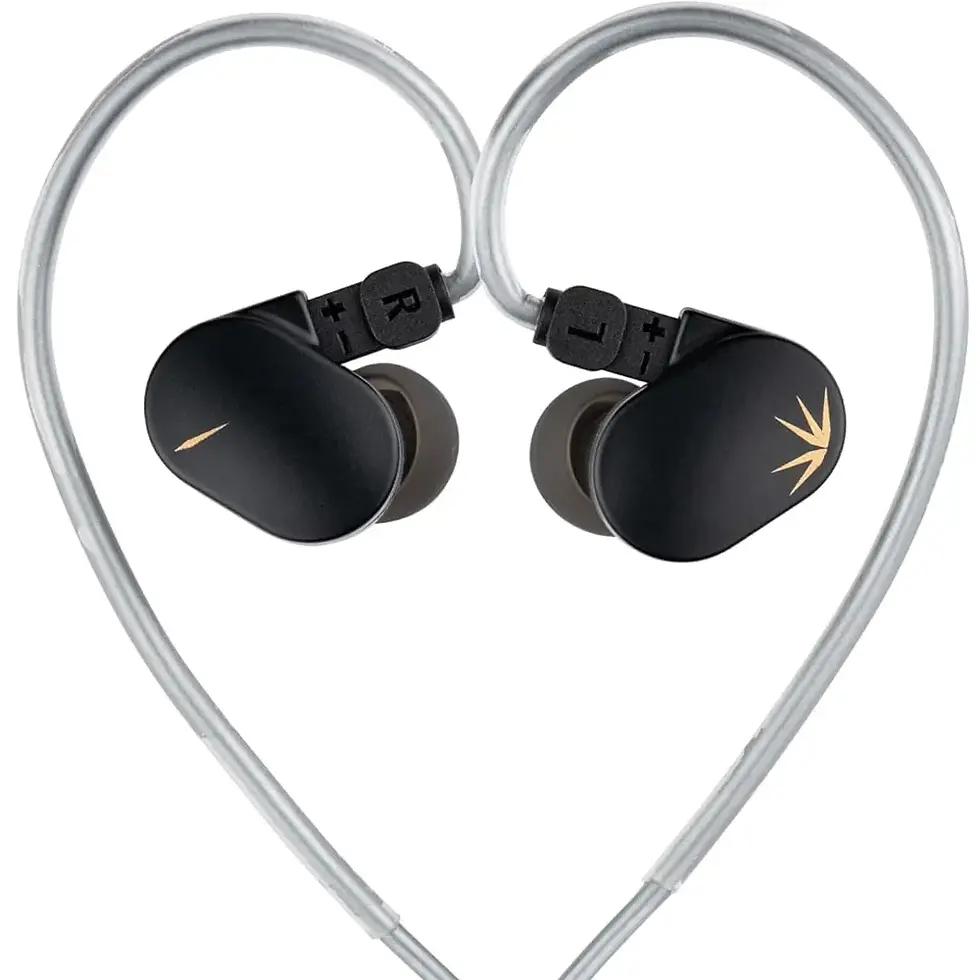
7HZ Sonus
Outstanding balance between gaming and music.
Best FPS Gaming IEM
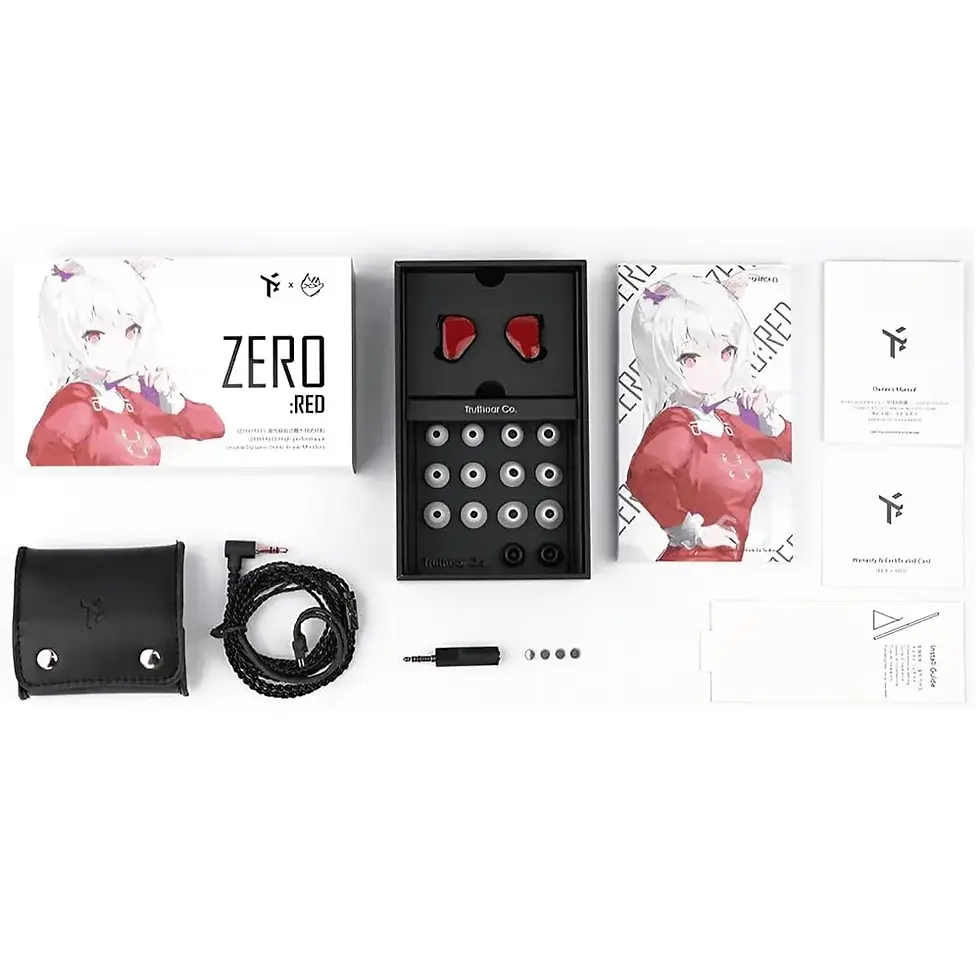
Truthear Zero Red
Our favourite choice for Counter-Strike 2, VALORANT and Rainbow Six Siege thanks to its accurate imaging and controlled tuning.
Best Gaming IEM With Microphone
Truthear Zero Blue2
A great solution for players who need clear voice communication without buying a separate microphone.
Best USB-C Gaming IEM
MoonDrop Rays
Perfect for laptops, tablets and modern smartphones without a 3.5 mm headphone jack.
Best Premium Gaming IEM
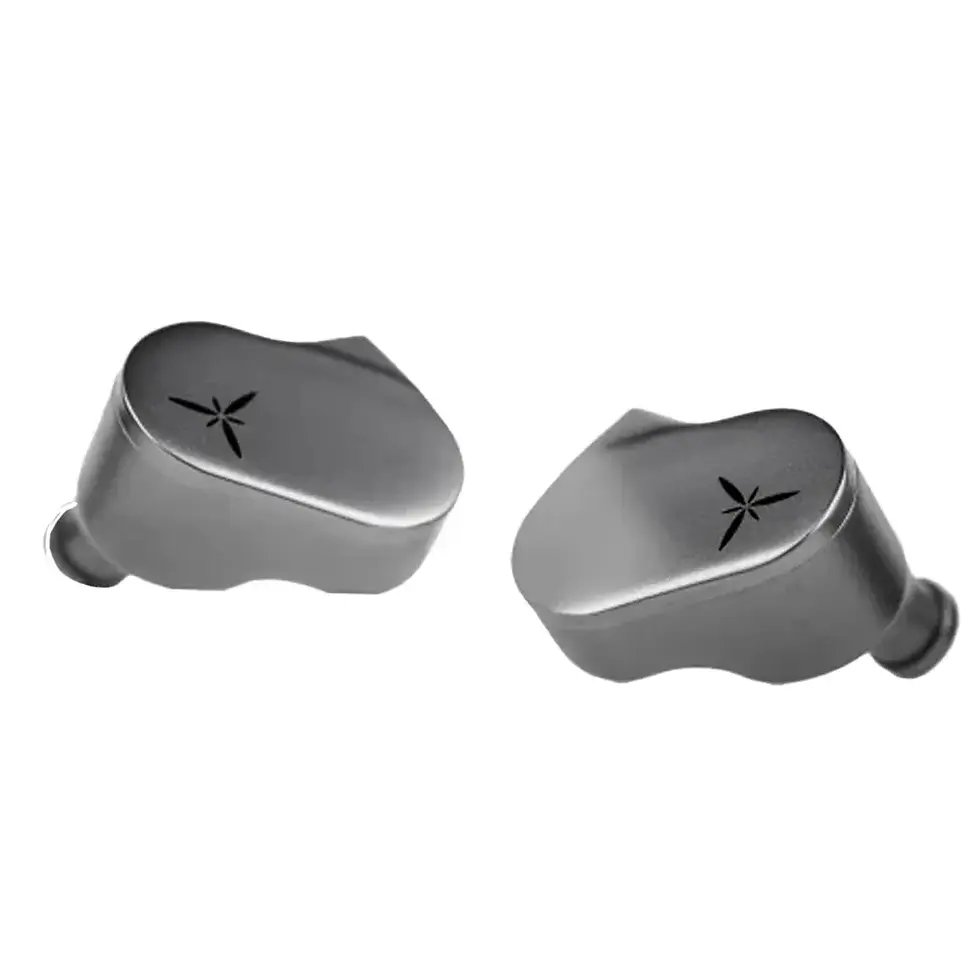
Truthear Nova
An outstanding all-round performer for both competitive gaming and music.
Best Premium Music IEM
MoonDrop Starfield 2
If music is just as important as gaming, this remains one of the strongest options.
Best Planar Gaming IEM
7HZ Timeless II
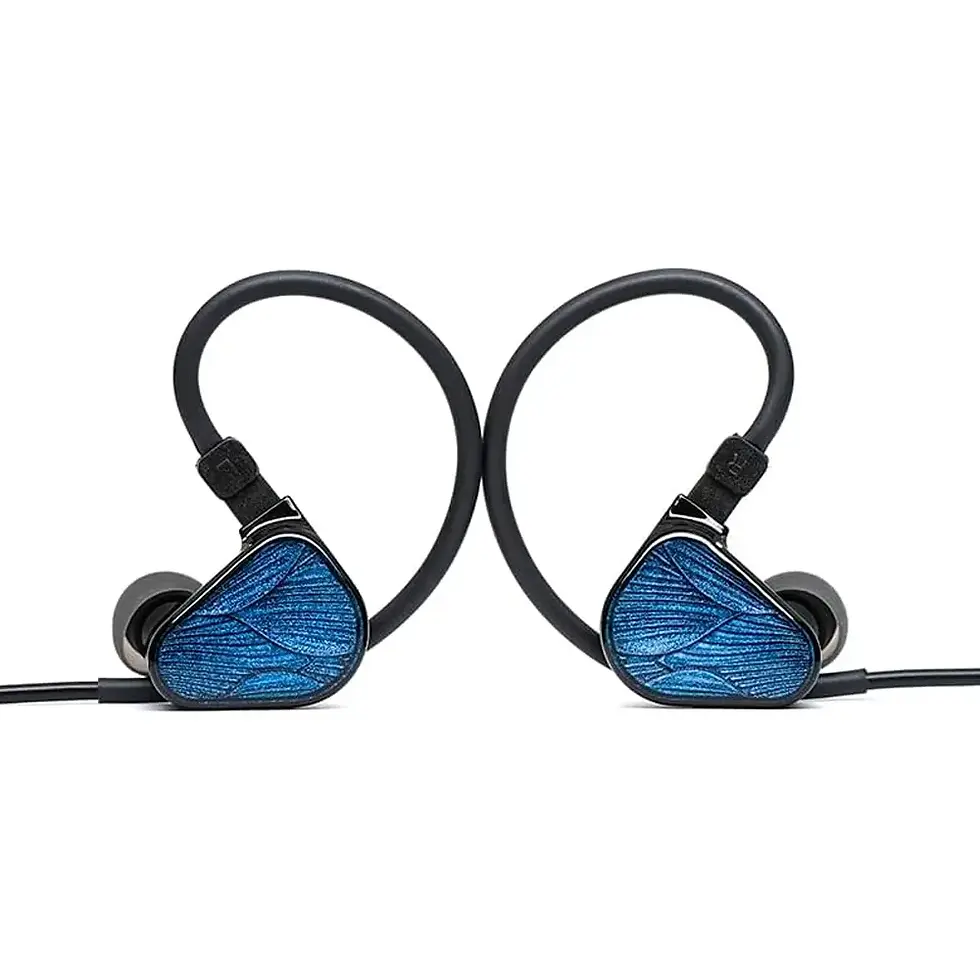
For enthusiasts looking for exceptional detail and speed.
Common Mistakes Buyers Make
Before spending your money, avoid these common mistakes.
Buying Based Only on Marketing
RGB lighting, huge drivers and virtual surround don't automatically improve gaming performance.
Always prioritise sound quality over marketing features.
Assuming Expensive Means Better
Price alone doesn't determine performance.
A well-tuned €40–80 IEM can outperform a much more expensive gaming headset for competitive FPS.
Ignoring Comfort
Even the best audio becomes frustrating if you can't wear it comfortably for several hours.
Comfort should always be part of your decision.
Forgetting About Your Microphone
If you already own a good microphone, you don't need to pay extra for another one built into your headset.
That money can instead go toward better sound.
Buying Without Considering Your Games
Different games benefit from different audio characteristics.
Always choose your audio equipment based on what you actually play.
Frequently Asked Questions
Are gaming IEMs really better than gaming headsets?
Not always.
Gaming IEMs generally offer excellent value, accurate imaging and lightweight comfort, while gaming headsets provide greater convenience, integrated microphones and more wireless options.
Do professional esports players use IEMs?
Yes.
Many professional Counter-Strike 2 and VALORANT players use IEMs during tournaments, typically underneath over-ear noise-isolating headsets provided by event organizers.
Are IEMs good for hearing footsteps?
Yes.
A well-tuned IEM with controlled bass and accurate imaging can make footsteps easier to distinguish in competitive games.
Do I need an expensive DAC for gaming IEMs?
Usually not.
For most gamers, investing in a better IEM produces a much larger improvement than purchasing an expensive DAC.
Which is better for music?
If music is equally important, quality IEMs often deliver more natural and detailed sound than many gaming headsets in the same price range.
Which is better for streaming?
Many streamers prefer IEMs because they are lighter, less visible on camera and work well with dedicated USB microphones.
Final Verdict
After comparing gaming IEMs and gaming headsets across competitive performance, comfort, music quality, microphones, compatibility and overall value, one conclusion stands out:
There is no universal winner.
If your priority is competitive FPS gaming, a high-quality wired IEM is often the better investment. Accurate imaging, excellent passive isolation, low weight and outstanding value make it a compelling choice for games like Counter-Strike 2, VALORANT and Rainbow Six Siege.
If you prefer wireless convenience, an integrated boom microphone and an all-in-one solution, a gaming headset remains an excellent option.
For many players, the biggest surprise is that switching to a well-tuned IEM can improve both gaming and music without spending more money.
If you're considering making the switch, explore our selection of gaming IEMs in the Audio category and compare models from MoonDrop, Truthear and 7HZ. For a deeper look at individual models, continue with our Best IEM for Gaming & Music in 2026: The Complete Buyer's Guide, where we compare each recommended IEM in detail.



















Comments