
Mini PC vs Traditional Desktop — Which Is Better for Productivity in 2026?
Updated: Dec 22, 2025

As hybrid work becomes the new standard, many professionals are rethinking their office setups — especially the computers they rely on every day. Mini PCs have surged in popularity thanks to their compact size, low noise, and impressive performance. But traditional desktops still offer unmatched power and upgradeability.
So which one is better for productivity in 2026: a mini PC or a full desktop workstation?
This guide compares performance, ergonomics, stability, noise levels, upgrade potential and overall value — helping you choose the best system for your workspace.
1. Size & Workspace Efficiency
Mini PC
Mini PCs are dramatically smaller than tower desktops. They fit:
under your monitor
behind your monitor (VESA mounted)
in a drawer or shelf
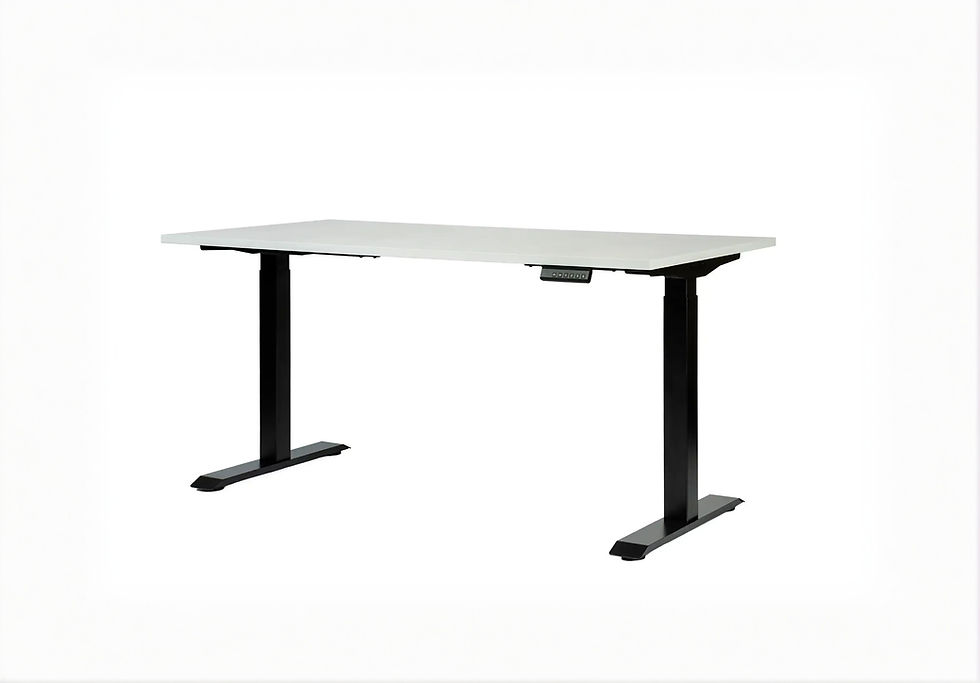
on the back of a standing desk
A clean workspace supports better focus and reduces clutter — a major advantage for home offices.
Traditional Desktop
Standard desktops take significant space:
under the desk
on the desk (micro ATX cases)
requiring cable routing and airflow clearance
They’re practical for power users, but overkill for many office workflows.
Winner: Mini PC — especially for home offices, compact desks and sit-stand setups.
2. Performance for Daily Work
Modern mini PCs are far more powerful than people expect.
Mini PC performance highlights
fast multi-core CPUs
NVMe SSDs
up to 64 GB RAM (many models)
perfect for multitasking, spreadsheets, video calls, business apps
Intel, AMD and Apple silicon offer excellent daily performance.
Traditional Desktop performance
Desktops still win when you need:
high-end CPUs with many cores
discrete GPUs
intensive workloads (3D, simulations, heavy design, engineering)
For the average professional, a modern mini PC performs just as well as a desktop.
Winner: Tie — depends on workload, but mini PCs are more than enough for 90% of office tasks.
3. Noise & Thermals
Mini PC
Mini PCs are designed for quiet environments:
very low fan noise
highly efficient chips
low heat output
ideal for conference calls and shared offices
Traditional Desktop
Desktops can be quiet — but often aren’t:
larger fans
dedicated GPUs
more heat = more noise
Winner: Mini PC — significantly quieter and cooler for office use.
4. Upgradeability
Mini PC
Limited upgrades:
RAM (often)
NVMe SSD
sometimes a second drive
But no GPU slots and no large power supplies.
Traditional Desktop
Desktops offer full customization:
CPU
GPU
RAM
Storage
Cooling
Power supply
If you need long-term expandability, desktops remain superior.
Winner: Traditional Desktop
5. Multi-Monitor Support
Mini PC
Modern mini PCs support 2–4 monitors via:
HDMI
DisplayPort
USB-C Alt Mode
Perfect for productivity setups.
Traditional Desktop
Desktops can support even more displays, especially with dedicated GPUs.
Winner: Tie — both handle office multi-monitor setups well.
6. Energy Efficiency
Mini PC
Extremely power-efficient
Lower energy bills
Less heat = more comfort
Greener choice for companies
Traditional Desktop
Higher energy consumption
Generates more heat
Winner: Mini PC
7. Cost & Value in 2026
Mini PC
Excellent price-to-performance ratio
Lower total cost of ownership
Less hardware needed (no bulky case, fewer cables)
Traditional Desktop
More expensive for equivalent performance
Worth it only for high-end workloads
Winner: Mini PC — for most professionals.
8. Stability & Longevity
Mini PCs are designed for continuous office use and often:
last 5–7 years
run cooler under load
use efficient components that extend lifespan
Desktops can last longer if upgraded regularly, but require more maintenance.
Winner: Mini PC for office users
Winner: Desktop for enthusiasts and engineers
Final Verdict: Which Should You Choose?
Choose a Mini PC if you:
work from home
need a clean, minimalist setup
use office apps, browsing, video calls, light design
want quiet operation
prefer low energy consumption
want simple cable management
run 1–3 monitors
Choose a Traditional Desktop if you:
need maximum CPU or GPU performance
work with 3D applications, engineering tools, or heavy rendering
want full future upgrade capability
require workstation-class hardware
If you’re deciding which form factor fits your workflow, desk setup, and performance needs, see our full guide on how to choose a mini PC for work in 2026.
FAQ — Mini PC vs Traditional Desktop
1. Are mini PCs powerful enough for professional office work?
Yes. Modern mini PCs easily handle all typical office tasks, including multitasking, spreadsheets, communication apps and browser-heavy workflows.
2. Do mini PCs last as long as desktops?
Mini PCs often last 5–7 years because of their efficient design. Desktops can last longer with upgrades, but require more maintenance.
3. Can a mini PC replace a full desktop?
For most people — absolutely. Only power users who need dedicated GPUs may require a full tower.
4. Is a mini PC better for home office setups?
Yes. Mini PCs are quiet, compact and easy to mount behind a monitor, making them ideal for modern home workspaces.
5. Which option is more cost-effective?
Mini PCs offer better value for office work, especially when comparing performance, noise, and energy efficiency.



















Comments