
Best FPS Gaming Mouse 2026: Top Picks by Grip, Weight and Playstyle

The best FPS gaming mouse is not simply the lightest mouse. It is the mouse that matches your grip, hand size, sensitivity and playstyle.
For most FPS players:
35–50g = ultra-light, best for advanced aim control
50–70g = safest competitive FPS range
70–85g = better stability and easier control
85g+ = better for palm grip, comfort or mixed gaming
If you are unsure, start with a 60–70g wireless mouse that fits your grip. That is the safest performance zone for most CS2, Valorant and Apex players.
What Actually Matters in an FPS Gaming Mouse?
Most buyers focus on the wrong things. One of the most misunderstood factors is weight — here’s a detailed breakdown of how gaming mouse weight actually affects aim and performance.
DPI, RGB and marketing names are less important than:
Shape
Grip fit
Weight
Wireless performance
Mouse pad compatibility
Modern FPS mice already have strong sensors. The bigger difference is how naturally the mouse fits your hand.
If your mouse shape is wrong, even a 35g ultra-light mouse can feel unstable. If the shape is right, even a slightly heavier mouse can feel more accurate.
Best FPS Gaming Mouse Categories in 2026
Best Ultra-Light FPS Mice: Under 50g
This category is for players who want maximum speed and minimum resistance.
Good examples include:
Mouse | Approx. Weight | Best For |
Pulsar X2 CrazyLight Mini | ~35–37g | advanced fingertip / claw users |
Arbiter Studio Akitsu Small | ~38g | competitive FPS, low sensitivity |
Arbiter Studio Akitsu Medium | ~40g | players wanting ultra-light but more size |
Lamzu Maya | ~45g ±2g | claw and fingertip FPS users |
Pulsar lists the X2 CrazyLight Mini at about 35g with dot skates / 37g with regular skates, Arbiter Studio lists Akitsu Small at 38g, and Lamzu lists Maya at 45g ±2g.
Who should choose this category?
Choose ultra-light if:
you play FPS seriously
you use low sensitivity
you prefer claw or fingertip grip
your aim is already stable
you use a controlled or balanced mouse pad
Avoid it if:
you are a beginner
your aim feels shaky
you use very high DPI
you prefer palm grip
you want maximum comfort
Ultra-light mice can improve speed, but they also punish poor control.
Before replacing your mouse, make sure the rest of the setup is not causing the problem. Mousepad friction, desk height, skates, monitor position and cable routing can all change how the same mouse feels. For troubleshooting, read why your FPS aim feels different every day.
Best Balanced FPS Mice: 50–70g
This is the safest competitive category for most players.
Good examples include:
Mouse | Approx. Weight | Best For |
Logitech G Pro X Superlight 2 | ~60–62g | safe pro-style FPS choice |
Razer Viper V2 Pro | ~58g | fast symmetrical FPS shape |
Lamzu Atlantis Mini | ~51g ±2g | claw grip and smaller hands |
Pulsar X2 v3 eS Mini | ~59g | fingertip / claw users |
Razer lists the Viper V2 Pro at 58g, Lamzu lists Atlantis Mini at 51g ±2g, and Pulsar lists the X2 v3 eS Mini around 59g ±1g. Logitech’s G Pro X Superlight 2 is listed around the 60–62g range depending on source/spec listing.
Who should choose this category?
Choose 50–70g if:
you want speed without going extreme
you play CS2, Valorant, Apex or The Finals
you are intermediate or advanced
you want a safer long-term choice
This is the best “default” FPS range for most people.
Best Control-Oriented FPS Mice: 70–85g
Not every player needs ultra-light.
A 70–85g mouse can be better if you want:
more stability
easier stopping power
better control at medium/high sensitivity
more comfort for longer sessions
This range is especially useful for relaxed claw and palm-claw users.
If ultra-light mice feel too nervous, this is where you should look.
Best Heavy Gaming Mice: 85g+
Heavy mice are not ideal for most competitive FPS players, but they are not useless.
They can work well for:
palm grip
high sensitivity
MMO / RPG / mixed gaming
productivity and gaming combined
users who prefer a stable, planted feel
For pure FPS, heavy mice are usually slower. For comfort and control, they can still make sense.
In many cases, the mouse is not actually the main problem. Mousepads, desk ergonomics, worn skates, humidity, and posture can destroy consistency even with top-tier hardware. See our full guide on why expensive gaming mice still feel bad.
FPS Mouse Decision Framework
Step 1: What game do you play?
Game Type | Recommended Weight |
CS2 / Valorant | 40–70g |
Apex / The Finals | 45–75g |
Warzone | 55–80g |
Mixed FPS + casual | 60–85g |
MMO / RPG + FPS | 75g+ |
Step 2: What grip do you use?
Grip Style | Best Weight Range |
Fingertip | 35–60g |
Claw | 45–75g |
Palm | 70–90g |
Relaxed claw | 55–80g |
f you are not sure which grip you use, read the full gaming mouse grip guide and identify whether you use palm, claw or fingertip grip.
Step 3: What sensitivity do you use?
Sensitivity | Better Mouse Type |
Low sensitivity | lighter mouse |
Medium sensitivity | balanced mouse |
High sensitivity | slightly heavier / more stable mouse |
Low-sensitivity players move the mouse more, so lighter weight helps.High-sensitivity players move less, so stability matters more.
Step 4: What experience level are you?
Experience Level | Best Starting Point |
Beginner | 65–80g |
Intermediate | 55–75g |
Advanced FPS | 35–65g |
If you are unsure, choose 60–70g.
Even the best gaming mouse cannot perform consistently if your setup introduces unstable friction, poor posture, or inconsistent glide.
Real Player Profiles
Profile 1: Serious CS2 Player
You play:
CS2
low sensitivity
claw or fingertip grip
medium hand size
Best direction:
45–65g
symmetrical or low-hump shape
balanced/control mouse pad
Good examples:
Lamzu Maya
Logitech G Pro X Superlight 2
Razer Viper V2 Pro
Arbiter Studio Akitsu
Profile 2: Valorant / Apex Player
You play:
Valorant
Apex
The Finals
medium sensitivity
Best direction:
50–75g
stable shape
not too extreme
Good examples:
Logitech G Pro X Superlight 2
Razer Viper V2 Pro
Lamzu Atlantis Mini
Pulsar X2 series
Profile 3: Casual FPS + General Gaming
You play:
FPS sometimes
RPG / strategy / productivity too
medium or high sensitivity
comfort matters
Best direction:
70–85g
more stable shape
palm or relaxed claw compatibility
Do not chase the lightest mouse if you are not playing competitively.
Pro Player Reality Check
Pro players generally prefer lighter wireless mice, but they do not all use the lightest possible mouse.
ProSettings’ current gaming mouse database shows the Logitech G Pro X Superlight 2 and Razer Viper models among the most used mice by competitive players, while Valorant-specific tracking also shows Razer and Logitech models dominating the pro scene.
The lesson is simple:
Pro players choose reliable, comfortable, consistent mice.They do not choose only by lowest weight.
Technical Specs Explained
DPI
Higher DPI does not automatically mean better aim.
Most FPS players use relatively low effective sensitivity because it gives better control.
Focus on:
consistency
comfort
tracking stability
Not maximum DPI.
Polling Rate
1,000Hz is still usable.4,000Hz and 8,000Hz can feel smoother, especially on high-refresh monitors.
But polling rate will not fix:
wrong shape
wrong grip
wrong mouse pad
poor sensitivity settings
Wireless vs Wired
Wireless is no longer a major disadvantage for premium FPS mice.
Modern wireless gaming mice from brands like Logitech, Razer, Lamzu, Pulsar and Arbiter are built for competitive latency standards.
For most FPS players, wireless is now the better choice because there is no cable drag.
Mouse Pad Compatibility
Mouse choice and mouse pad choice must work together.
Mouse Type | Better Pad Match |
35–50g ultra-light | control or balanced pad |
50–70g balanced FPS mouse | balanced pad |
70–85g control mouse | balanced or speed pad |
85g+ heavy mouse | faster surface |
A very light mouse on a very fast pad can feel unstable.A heavy mouse on a slow pad can feel sluggish. See available Gaming Mouse pad options here.
Common Mistakes When Choosing an FPS Mouse
Mistake 1: Going Too Light Too Early
A 35–40g mouse can feel incredible, but only if your control is already strong.
For beginners, it can make aim feel shaky.
Mistake 2: Copying Pro Players Blindly
Pro setups are useful references, not universal answers.
Your hand size, sensitivity and grip may be completely different.
Mistake 3: Ignoring Shape
Most “bad weight” problems are actually shape problems.
If the mouse does not fit your hand, the weight will not save it.
Mistake 4: Buying Only by Specs
Sensor, DPI and polling rate matter, but they are rarely the deciding factor anymore.
Shape, comfort and control matter more.
Mistake 5: Forgetting the Mouse Pad
The same mouse can feel completely different on a speed pad, control pad or glass pad.
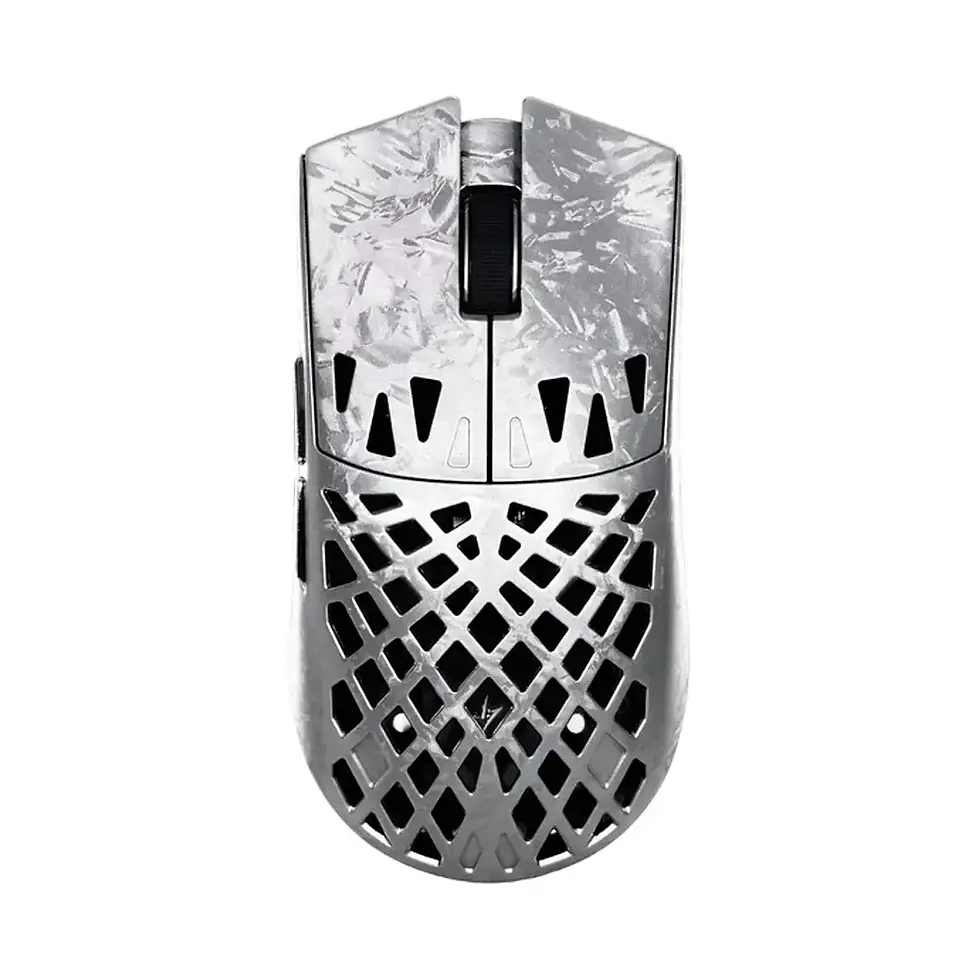
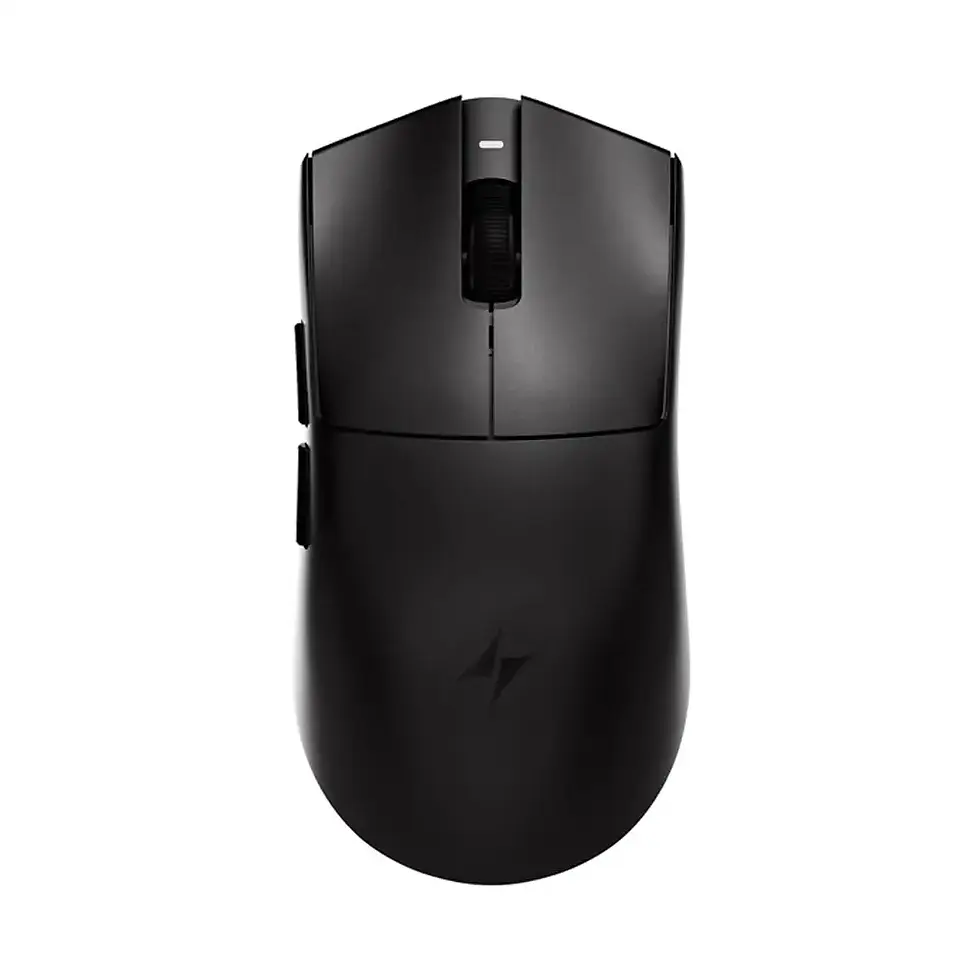
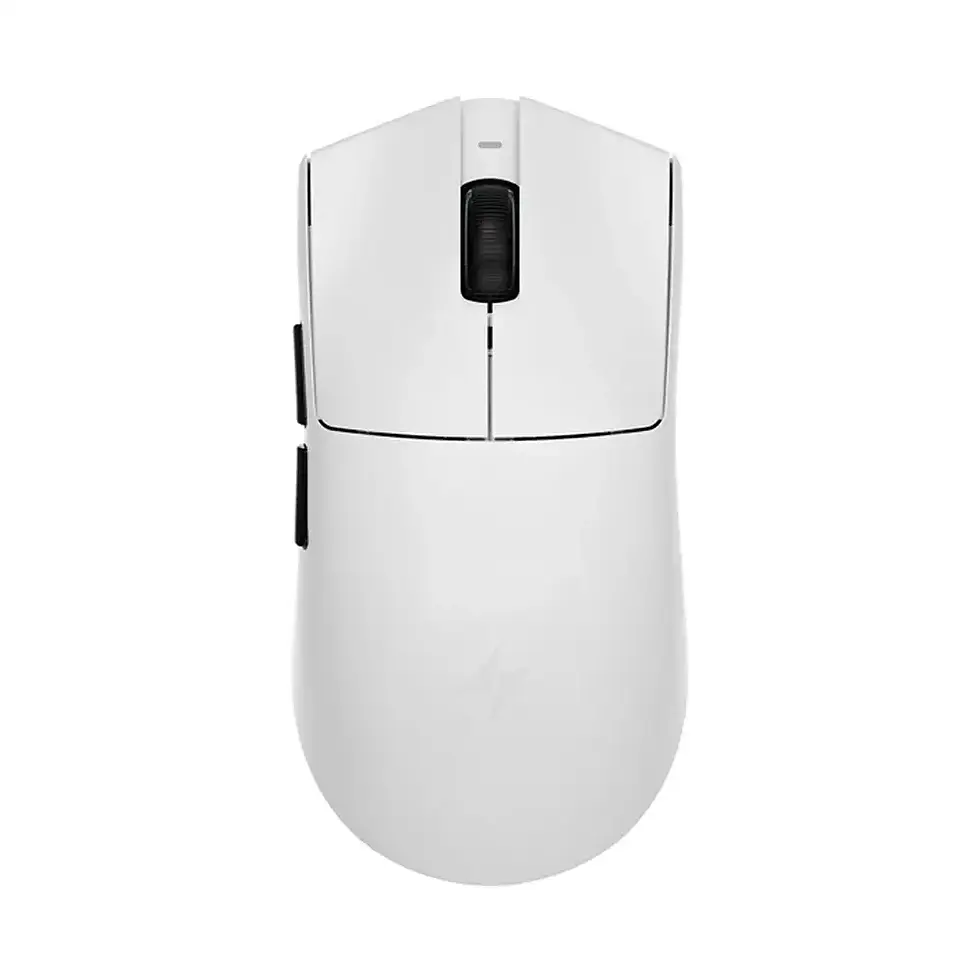
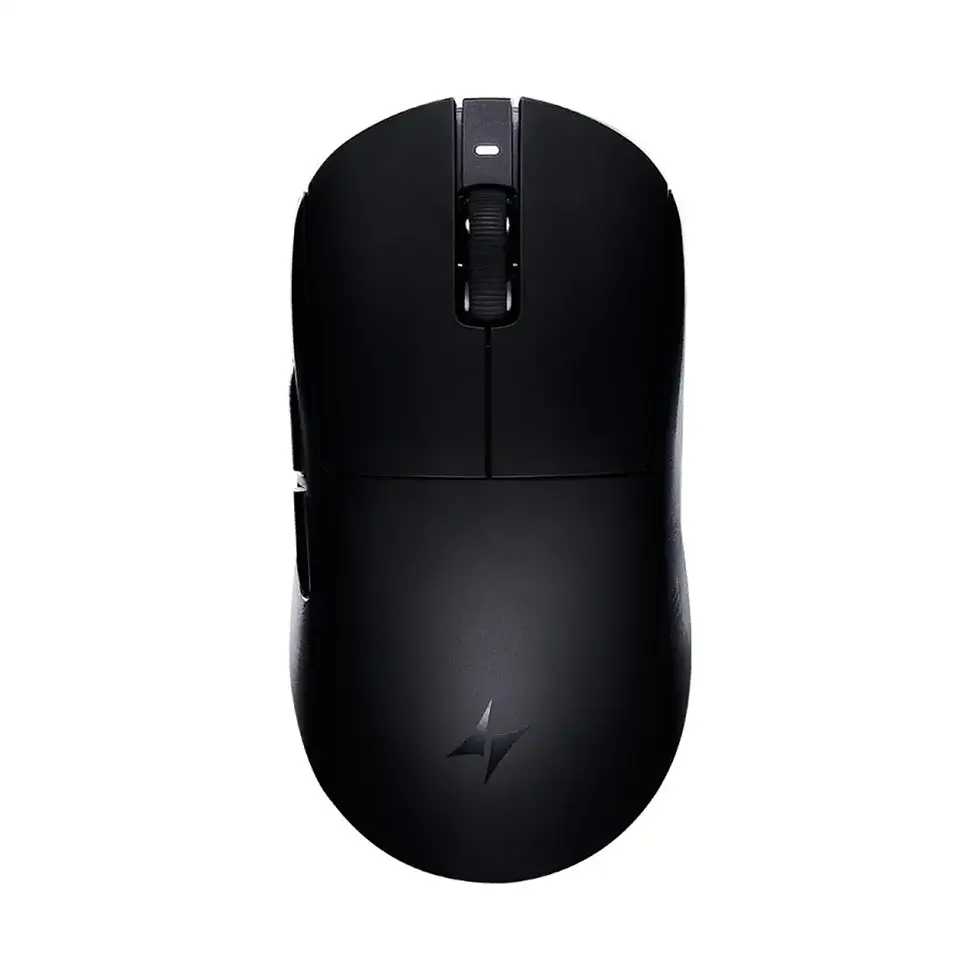
Where to Choose FPS Gaming Mice?
When comparing models, focus on:
weight
shape
grip compatibility
wireless performance
hand size
pad compatibility
Explore available options here:
Final Recommendation
If you want the safest FPS mouse choice in 2026, start with:
60–70g wireless mouse + correct shape for your grip
Then adjust:
go lighter if you play serious FPS and have stable control
go heavier if you want more stability
choose ultra-light only if your grip, pad and sensitivity support it
The best FPS gaming mouse is not the one with the biggest specs.It is the one that makes your aim feel consistent. Still unsure what weight fits you best? Start with this complete gaming mouse weight guide and then come back to choose your model
Before choosing a new mouse, make sure the rest of the setup supports it. Mousepad surface, skates, desk height and wireless receiver placement can change how the same mouse feels. For the complete setup framework, read Best FPS Gaming Mouse Setup 2026.
FAQ
What is the best gaming mouse for FPS in 2026?
For most FPS players, the best choice is a 50–70g wireless mouse that fits your grip and hand size. Advanced players may prefer sub-50g models, while beginners usually perform better with 60–75g.
What is the best mouse weight for FPS?
Most FPS players should look between 50g and 70g. Advanced low-sensitivity players can benefit from 35–50g, while beginners often adapt better to 60–80g.
Is a lighter mouse better for FPS?
A lighter mouse can improve speed, flicks and fatigue, but it can also reduce stability. It is better for players who already have good control.
What is the best mouse for CS2?
For CS2, many players prefer a 50–70g mouse with stable shape, reliable wireless performance and good grip fit. Logitech G Pro X Superlight 2 and Razer Viper models are common reference points among competitive players.
What is the best mouse for Valorant?
Valorant players usually benefit from lightweight or balanced mice in the 45–70g range. Shape and stopping control matter because Valorant rewards precision and crosshair discipline.
Should beginners use ultra-light mice?
Not usually. Beginners are safer starting with 60–75g because it gives better control while still feeling fast enough for FPS.
Is 35g too light for gaming?
For beginners, usually yes. For advanced FPS players with fingertip or claw grip, a 35g mouse can work very well if paired with the right mouse pad.
What matters more: mouse weight or shape?
Shape usually matters more. A lightweight mouse with the wrong shape can feel worse than a slightly heavier mouse that fits your hand correctly.
Is wireless good enough for FPS gaming?
Yes. Modern premium wireless gaming mice are widely used in competitive FPS because they remove cable drag while maintaining strong low-latency performance.
Does DPI matter for FPS gaming?
DPI matters less than consistency. Very high DPI does not automatically improve aim. Most FPS players use controlled sensitivity settings and focus on comfort, tracking and muscle memory.
What is the best FPS mouse for claw grip?
Claw grip usually works well with 45–75g mice, especially models with a stable hump and good finger control.
What is the best FPS mouse for fingertip grip?
Fingertip users often prefer lighter and smaller mice, usually 35–60g, because the fingers control most of the movement.
What is the best FPS mouse for palm grip?
Palm grip users often prefer larger, more stable mice in the 70–90g range because they need more hand support.
Are expensive FPS mice worth it?
They can be worth it if they offer the right shape, low weight, reliable wireless performance and good build quality. But price alone does not make a mouse better.
How do I choose the best FPS mouse?
Start with grip style, then hand size, then weight, then wireless performance. Do not choose only by DPI, RGB or pro-player popularity.

















Comments