
Office Chair Buying Guide 2026 — Ergonomics, Comfort & How to Choose the Right Chair
Updated: Dec 23, 2025

Why Choosing the Right Office Chair Matters
An office chair directly affects your posture, comfort, productivity and long-term health. Sitting for long hours in a poorly designed chair can lead to back pain, neck strain, fatigue and reduced focus.
In 2026, modern office chairs are designed to support healthy sitting through adjustability, ergonomic shaping and breathable materials. Choosing the right chair is not about style — it’s about supporting your body throughout the entire workday.
Key Ergonomic Features Explained
Understanding ergonomics helps you choose a chair that actually fits your body.
Lumbar support
Supports the natural curve of your lower back and reduces spinal pressure.
Seat depth & width
Allows your thighs to rest comfortably while leaving space behind the knees.
Armrest adjustability
Reduces shoulder and wrist strain by supporting relaxed arm positioning.
Headrest (optional)
Helpful for neck support during long working sessions or calls.
Seat height & tilt mechanism
Allows proper foot placement and dynamic movement while sitting.
Office Chair Types Explained
Different chair types suit different workflows and environments.
Task chairs
Lightweight, compact and suitable for shorter work sessions.
Ergonomic office chairs
Designed for long hours with advanced adjustability and lumbar support.
Executive chairs
Larger chairs focused on comfort and appearance rather than flexibility.
Gaming chairs
Built for long sitting sessions, often with bold design and firm support.
How to Choose an Office Chair for Your Use Case
Not all users need the same type of chair.
For long working hours
Choose ergonomic chairs with adjustable lumbar support and breathable materials.
For back pain
Prioritize lumbar support, seat depth adjustment and synchronized tilt.
For small spaces
Compact ergonomic chairs with a slim profile work best.
For petite users
Look for chairs with lower seat height, adjustable depth and narrow backrests.
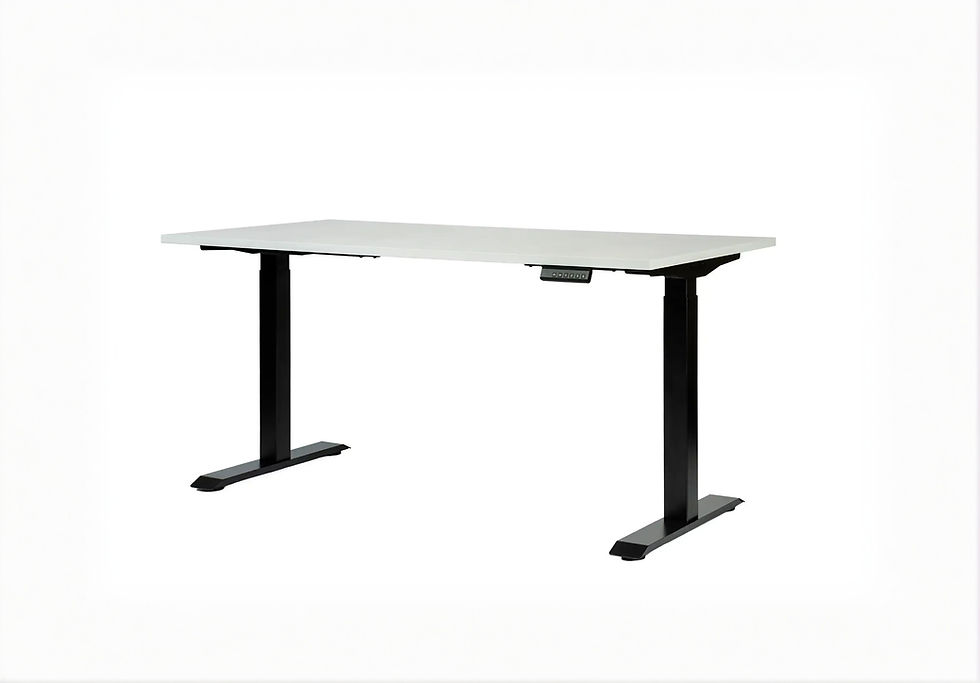
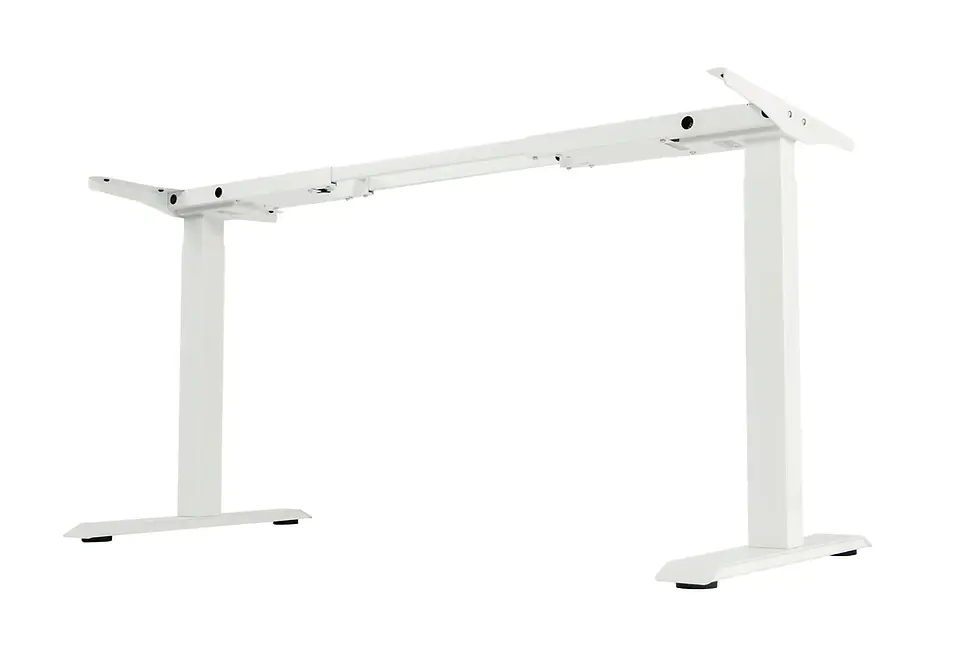
Even the best ergonomic office chair works best when combined with regular movement — alternating between sitting and standing helps reduce spinal pressure, improves circulation, and prevents stiffness during long workdays.
Budget vs Premium Chairs — What Actually Changes
Price differences usually reflect:
build quality and durability
range of adjustments
materials (mesh, foam density, mechanisms)
long-term comfort and warranty
Budget chairs can work well for light use, while premium chairs provide better support for daily, long-hour work.
Common Mistakes When Buying an Office Chair
Choosing based on looks instead of ergonomics
Ignoring adjustability
Buying chairs that are too large or too small
Underestimating long-term comfort
Skipping real user reviews
Avoiding these mistakes saves money and prevents discomfort.
Final Office Chair Buying Checklist (2026)
✔ Adjustable seat height
✔ Proper lumbar support
✔ Comfortable seat depth
✔ Adjustable armrests
✔ Breathable materials
✔ Stable base and smooth casters
✔ Suitable for your desk height and workspace
If a chair meets most of these criteria, it’s a strong choice.
FAQ — Office Chair Buying Guide 2026
1) What is the best office chair for long hours of work?
The best office chair for long hours is an ergonomic model with adjustable lumbar support, seat height, seat depth, and armrests. These adjustments help you maintain healthy posture and reduce fatigue during 6–10 hour workdays.
2) Is lumbar support really necessary?
Yes. Lumbar support helps maintain the natural curve of your lower back and reduces pressure on the spine. If you sit daily, lumbar support is one of the most important features to prioritize.
3) Should I choose a mesh or padded office chair?
Mesh chairs are great for airflow and staying cool during long sessions. Padded chairs can feel softer and may suit users who prefer more cushioning. For most people, a breathable backrest plus a supportive seat cushion is the best combination.
4) What’s the difference between an ergonomic chair and a regular task chair?
A task chair is usually simpler with fewer adjustments and is best for shorter sessions. An ergonomic chair offers more adjustability (lumbar, seat depth, armrests, tilt control) and is designed for long daily work.
5) What office chair is best for back pain?
Look for adjustable lumbar support, synchronized tilt, and seat depth adjustment. Also ensure the chair height allows your feet to rest flat and your knees stay around a 90° angle.
6) How do I know if a chair fits my body size?
A good fit means: feet flat on the floor, hips slightly higher than knees, and 2–4 fingers of space behind the knees when seated. Adjustable seat height and seat depth make fitting much easier.
7) Are gaming chairs good for office work?
Some gaming chairs can work well for long sitting, but they vary widely. Prioritize ergonomics and adjustability over style. Many ergonomic office chairs provide better posture support for productivity-focused setups.
8) Which features matter most if I’m buying on a budget?
Prioritize: adjustable seat height, reliable lumbar support, stable base, and comfortable seat cushion. If possible, choose adjustable armrests as well—these help reduce shoulder and neck tension.
9) How much should I spend on an office chair in 2026?
For light use, budget chairs can be fine. For daily long-hour work, mid-range ergonomic chairs typically deliver the best value. Premium chairs make sense when you need maximum durability, adjustability, and all-day comfort.
10) Can an office chair improve productivity?
Yes. Better support reduces discomfort and micro-distractions, helps maintain better posture, and makes it easier to stay focused during long work sessions—especially if you work from home.


















Comments