
Which Ergonomic Desk Accessories Should You Buy First? (Priority Order by Pain Point)

Neck or shoulder pain → fix screen height first (monitor arm)
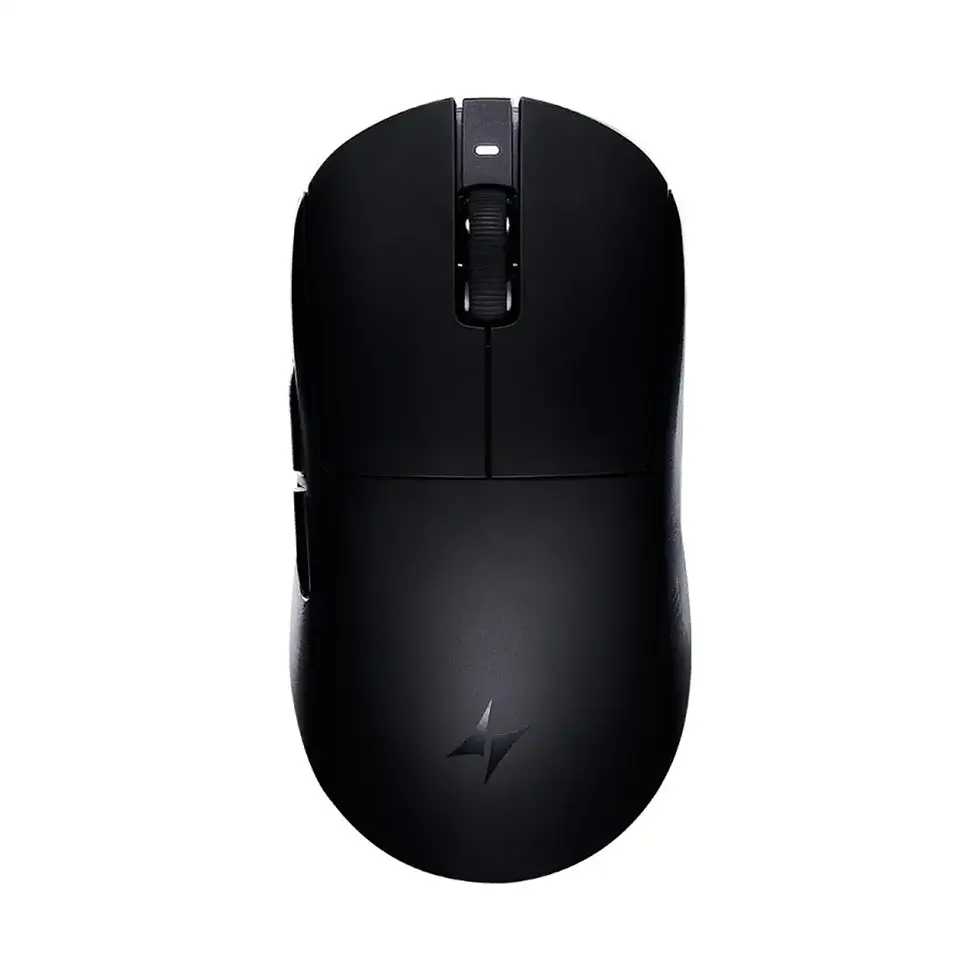
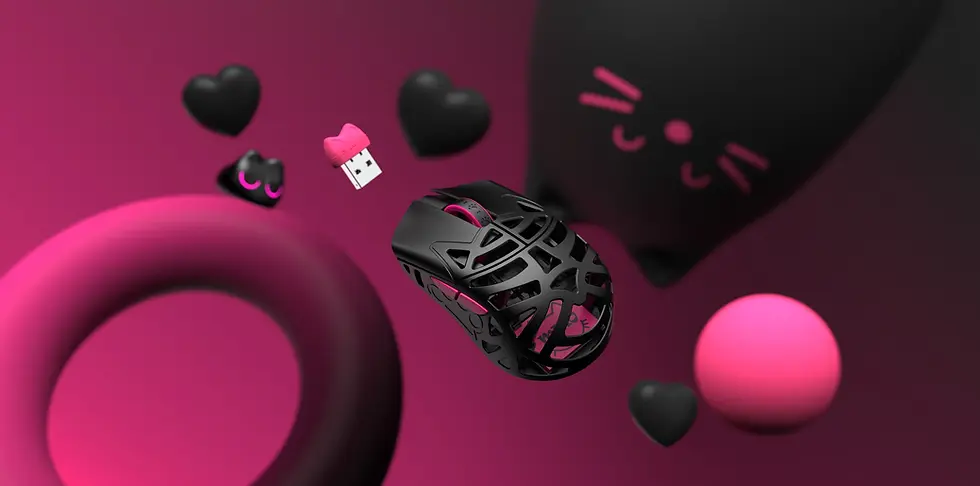
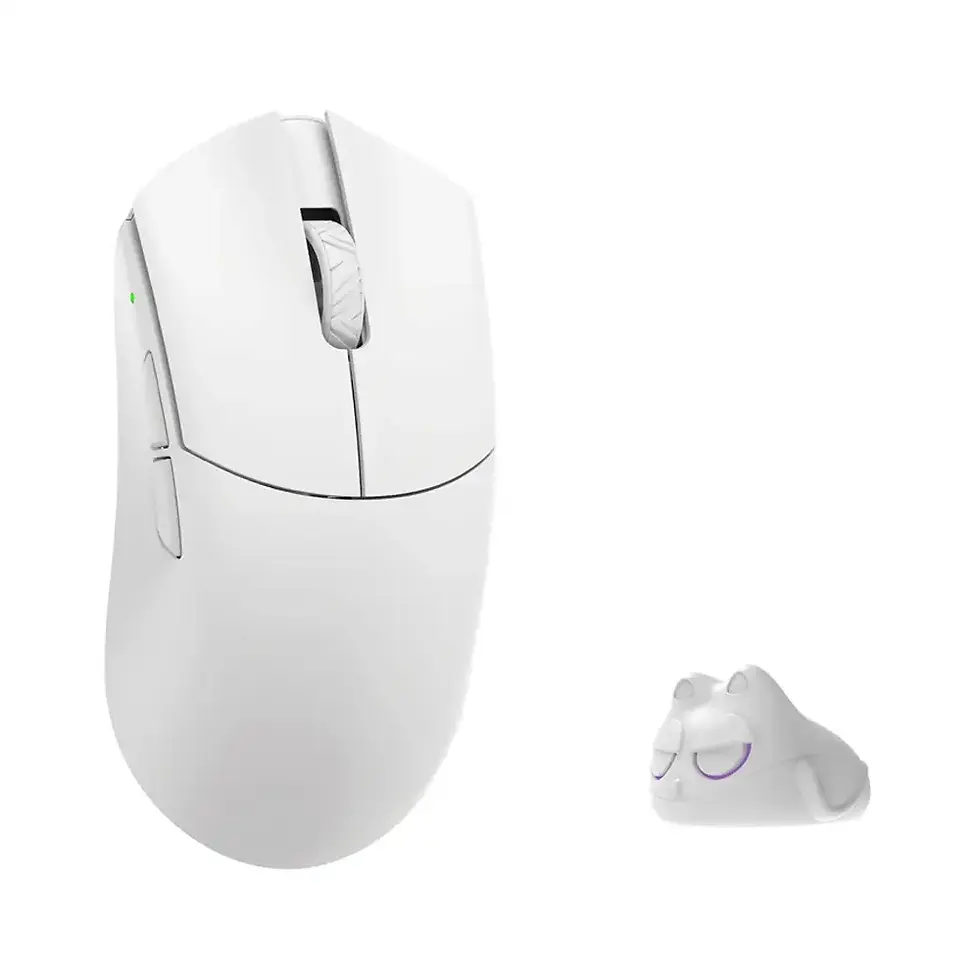
Wrist or forearm pain → ergonomic mouse before keyboard
Lower-back or hip fatigue → footrest (if feet don’t rest flat)
Limited budget → one correct adjustment beats multiple gadgets
Buying the right accessory in the wrong order wastes money. Ergonomics works top-down.
Why Order Matters More Than Quantity
Most people buy desk accessories reactively — whatever looks useful first. That’s why many “ergonomic” setups don’t actually feel better.
The body compensates in a chain:
Screen position affects neck and shoulders
Hand position affects wrists and forearms
Leg support affects pelvic angle and lower back
If the top of the chain is wrong, accessories below it won’t help.
That’s why order matters more than how many accessories you buy. As well as knowing how to choose best ergonomic accessories.
Priority Order by Pain Point
If You Have Neck or Shoulder Pain
This is the most common issue — and the easiest to fix.
In most setups, the screen is:
too low
too far away
slightly off-center
That forces constant neck flexion and forward head posture.
What to buy first: a monitor arm. It allows precise control of:
screen height
viewing distance
angle and alignment
This single adjustment often removes more strain than any other accessory.
If You Have Wrist or Forearm Pain
Wrist discomfort builds faster than most people realize.
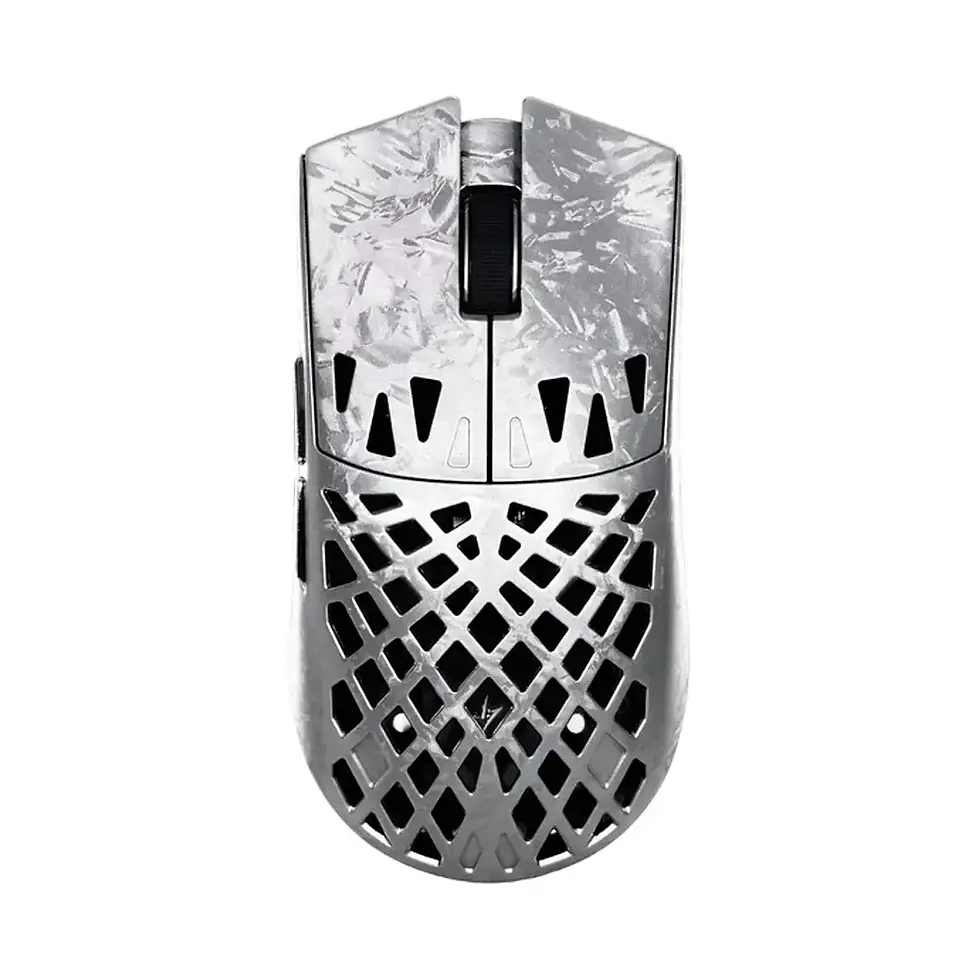
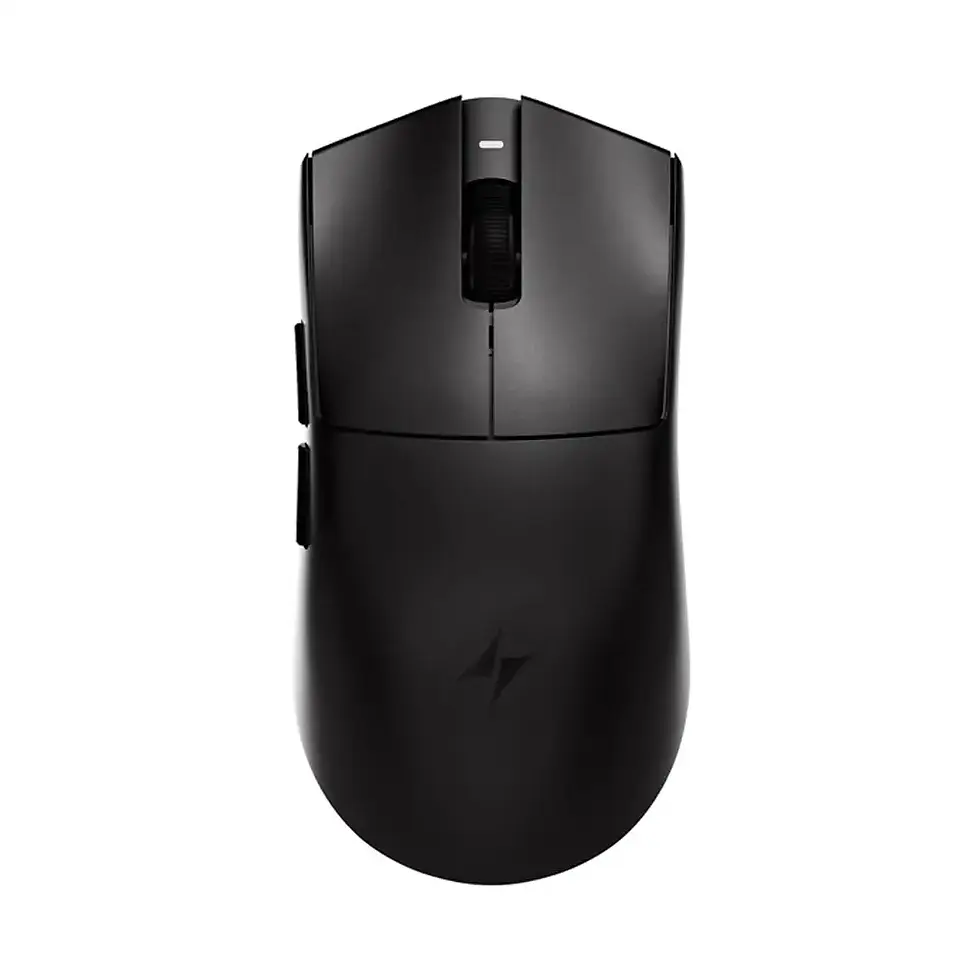
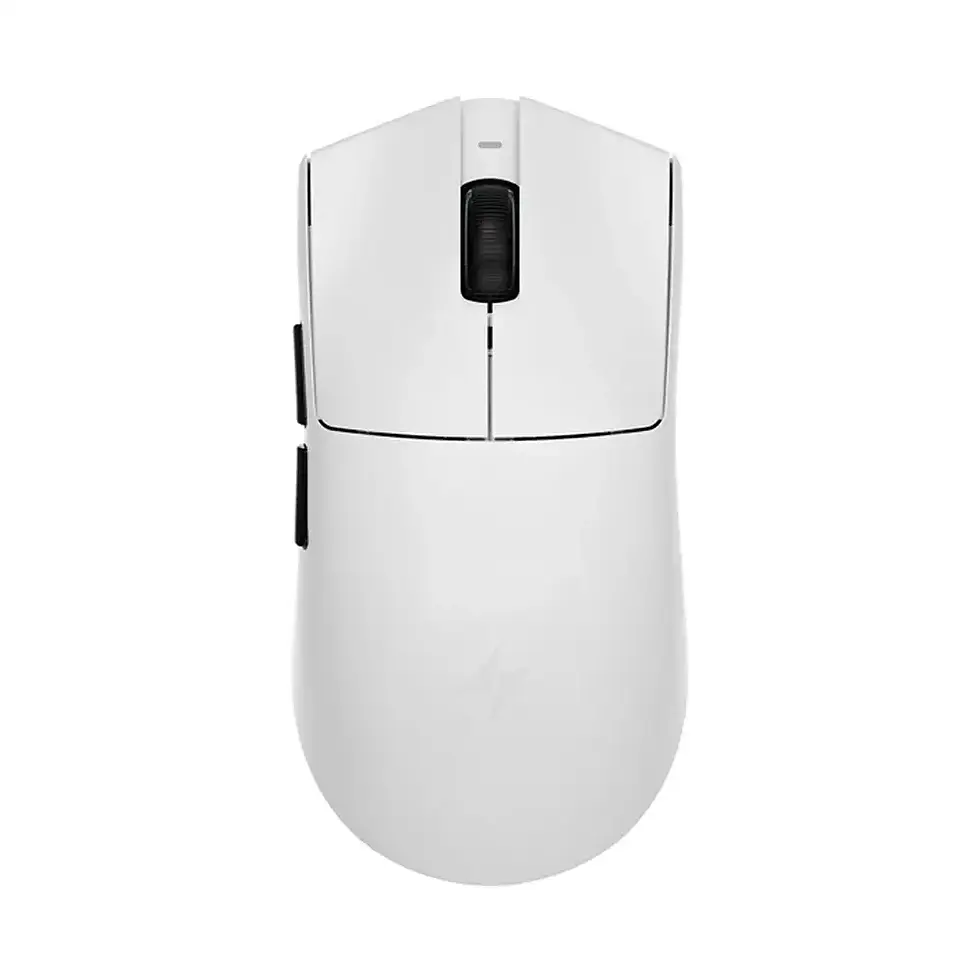
The mistake many users make is starting with a keyboard. In reality, the mouse causes more cumulative strain because it’s used continuously.
Priority order here:
Ergonomic or vertical mouse
Keyboard (only if wrist angle is still compromised)
What matters is neutral wrist alignment, not how the accessory looks.
If You Have Lower-Back or Hip Fatigue
If your chair is adjusted correctly but your feet don’t rest flat on the floor, posture breaks down.
This causes:
posterior pelvic tilt
lower-back pressure
constant micro-adjustments while sitting
What to buy: an adjustable footrest. Especially important for:
fixed-height desks
shorter users
long sitting sessions
Footrests are small, but their impact on posture is significant.
If Your Desk Feels Cluttered or Restrictive
Clutter isn’t just visual — it limits movement.
Poor cable routing and crowded surfaces lead to:
awkward arm reach
reduced usable desk depth
subconscious posture compensation
What helps: structured cable management and desk organization tools. These don’t correct posture directly, but they enable correct positioning of monitors and input devices.
Minimal Upgrade Path (Budget-Aware)
If you’re upgrading gradually, this order works for most users:
1 accessory:
Monitor arm
2 accessories:
Monitor arm
Ergonomic mouse
Full setup:
Monitor arm(s)
Ergonomic mouse or keyboard
Footrest
Clean cable management
You don’t need everything — just the right combination.
When You Should NOT Buy Accessories Yet
Accessories won’t fix fundamental setup problems.
Do not buy accessories if:
chair height is wrong
lumbar support isn’t adjusted
desk height is completely mismatched
Fix the base first. Accessories optimize — they don’t replace fundamentals. The way to know how to choose the right accessories can be found here.
Final Takeaway
Ergonomic desk accessories work best when chosen by pain point, not by trend.
Start with screen positioning. Then hands. Then legs.
That order delivers the biggest improvement with the least spend — and prevents buying tools that don’t actually help.
FAQ — Choosing Ergonomic Desk Accessories
Which ergonomic desk accessory should I buy first?
For most users, a monitor arm should be the first ergonomic upgrade. Correcting screen height and distance reduces neck and shoulder strain and improves posture more than any other single accessory.
Can I skip accessories if I already have an ergonomic chair?
No. An ergonomic chair is essential, but it does not fix screen height, input device positioning, or foot support. Desk accessories optimize how your body interacts with the desk and equipment.
Is it better to buy multiple cheap accessories or one good one?
One properly chosen, adjustable accessory delivers better results than several low-quality gadgets. Ergonomics improves through correct positioning, not quantity.
About Standesk
This article was prepared by Standesk, an EU-based retailer specializing in ergonomic furniture, desk accessories, and workspace equipment. Our recommendations are based on real product testing, customer feedback, and daily experience building ergonomic setups for home offices and professional workspaces across Europe.




















Comments