
How to Design a Deep Work Environment — Practical Workspace Setup Guide
Updated: Mar 21

Quick Answer: What Is a Deep Work Environment?
A deep work environment is a workspace designed to reduce distractions, lower cognitive load, and sustain focused attention for extended periods.
It combines:
Proper desk and monitor positioning
Controlled lighting
Reduced noise
Intentional layout
Movement integration
Deep work is not just about discipline. Your physical setup directly affects how long and how well you can concentrate.
Why Your Physical Workspace Affects Focus
Most productivity advice focuses on time management. But attention is heavily influenced by environmental friction.
Common workspace factors that reduce focus:
Poor screen height causing subtle physical strain
Harsh or inconsistent lighting
Background noise or echo
Cluttered visual field
Unstable seating position
Too many digital inputs in direct view
Each of these increases cognitive load — the mental effort required to maintain focus.
Reducing cognitive load extends your capacity for deep work.
Start With Desk Height and Posture Stability
If your body is unstable, your brain compensates.
A stable, properly adjusted desk setup:
Keeps elbows at approximately 90°
Positions screen at eye level
Prevents forward head tilt
Allows feet to rest flat on the floor
Even small posture misalignments increase mental fatigue over time.
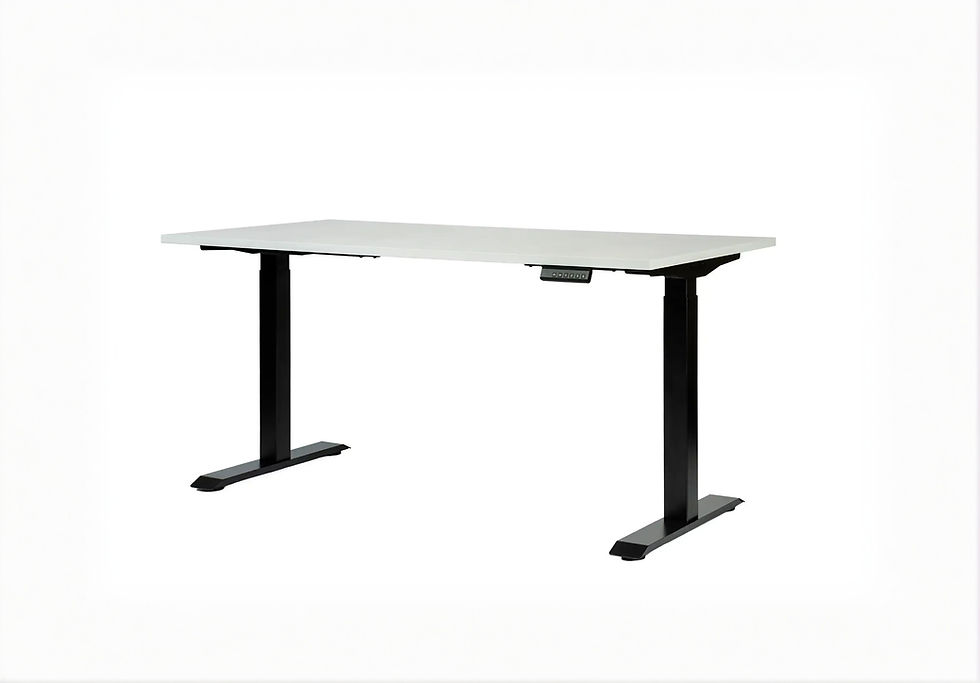
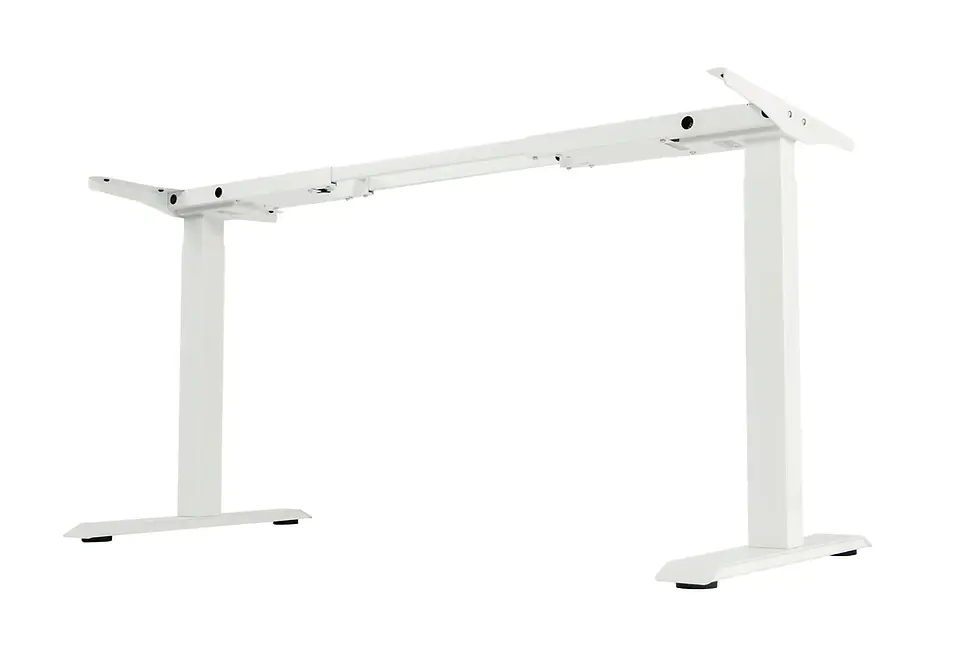
If you use a height-adjustable desk, alternate between sitting and standing during long sessions. Movement supports sustained focus and use our guide to the best standing desks for home office to choose a setup that stays stable and comfortable over long sessions.
Desk height is one of the most overlooked factors affecting concentration. See our guide on best standing desk height for productivity to configure your workspace correctly.
Optimize Monitor Position for Cognitive
Comfort
Your monitor setup affects attention more than most people realize.
If you are deciding whether one screen or two supports your workflow better, see our guide on single vs dual monitor setup.
Best practices:
Top of screen at or slightly below eye level
Monitor at arm’s length distance
Minimal glare from windows
Screen centered directly in front of you
For dual monitors:
Place the primary screen directly in front
Use the secondary screen for reference tasks
Avoid constant head rotation
Monitor arms make micro-adjustments easier and reduce strain. If your screen position never feels quite right, a monitor arm makes precise adjustments easier — see our monitor buying guide to choose the right setup for your desk and workflow.
Control Visual Clutter
Your brain processes everything in your field of vision — even if you ignore it.
To reduce visual noise:
Keep only essential devices on the desk
Hide cables where possible
Avoid unnecessary decor in direct sightline
Keep surfaces clean
Minimalism is not aesthetic preference. It reduces mental processing load. If you want practical upgrades that reduce desk friction fast, see our ergonomic desk accessories buying guide for cable management, monitor arms, and small tools that improve comfort and focus.
Lighting: The Silent Focus Killer
Lighting affects alertness and eye strain.
For deep work:
Use neutral or cool light for focus tasks
Avoid harsh overhead glare
Position desk perpendicular to windows
Prevent direct sunlight on the screen
Inconsistent lighting forces your eyes to constantly adjust, which drains mental energy. Take a two-minute read to learn more about the best lighting for deep work.
Manage Noise and Acoustic Distractions
Noise increases cognitive switching.
Even low-level background noise:
Reduces comprehension
Slows reading speed
Increases mental fatigue
Practical solutions:
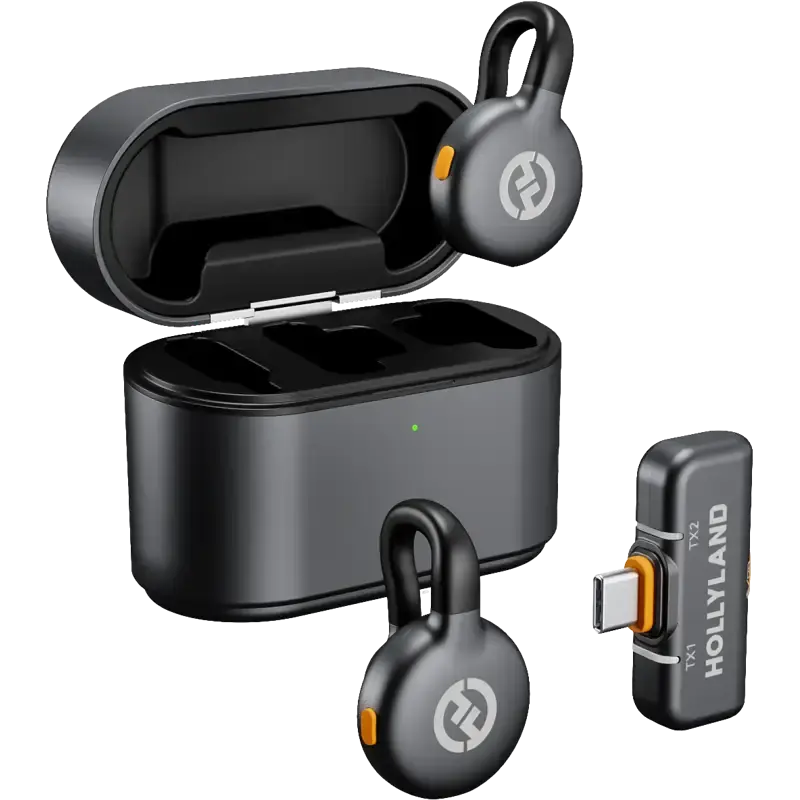
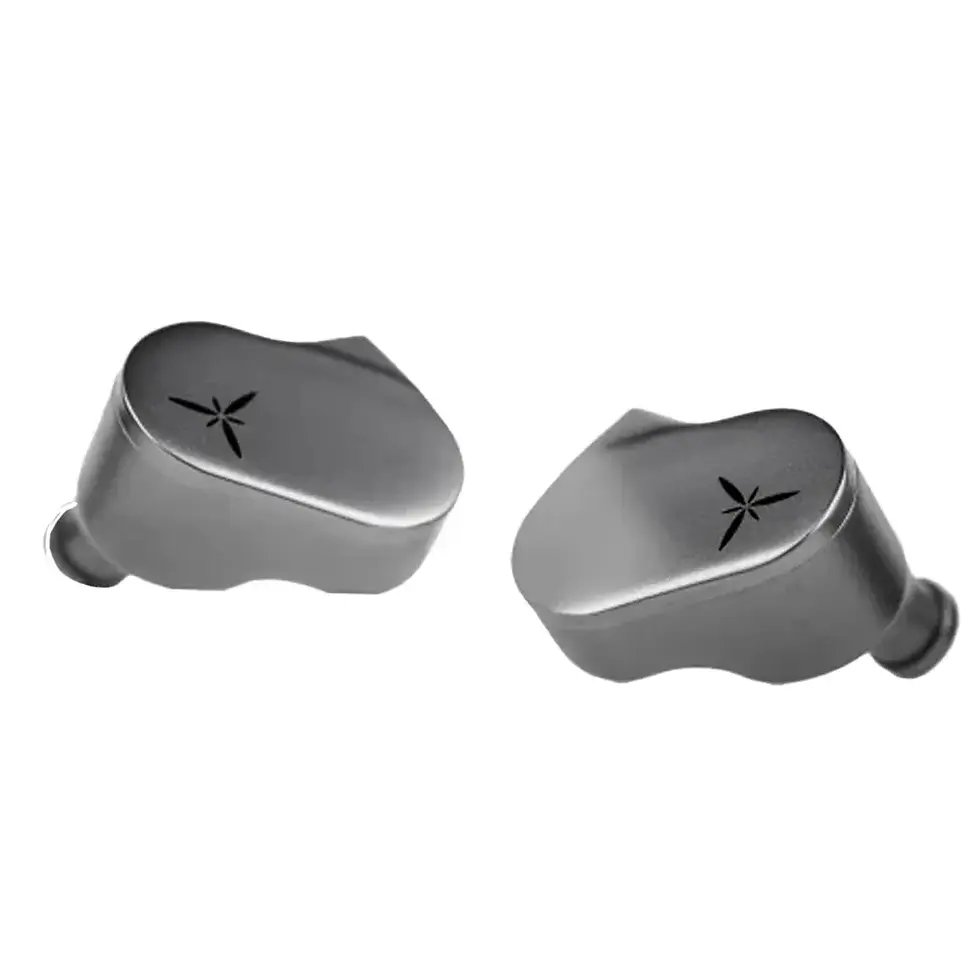
Use noise-canceling headphones
Add soft materials (curtains, rugs, panels)
Close doors during focus sessions
Relocate workspace away from high-traffic areas
Acoustic stability supports cognitive stability.
One of the most underestimated distractions is background noise — even moderate office noise can reduce concentration. Learn how to fix it in our office noise reduction guide.
Background noise is one of the most common causes of lost focus — understand whether panels can help in our guide on acoustic panel effectiveness.
Integrate Movement Without Breaking Focus
Deep work does not mean staying motionless.
Small physical adjustments:
Sit–stand transitions
Short posture resets
Shoulder rolls
Brief standing intervals
Movement improves blood circulation and maintains alertness.
A static body often leads to a fatigued mind.
Reduce Digital Distraction at the Physical Level
Your desk layout influences digital behavior.
Reduce temptation by:
Keeping phone out of direct reach
Using a single active screen during focus sessions
Turning off non-essential notifications
Avoiding open laptop + external monitor duplication
The fewer visual triggers, the longer sustained attention lasts.
Deep Work Environment Checklist
Use this checklist to evaluate your setup:
Desk height adjusted correctly
Monitor at eye level
Minimal glare
Cable clutter removed
Background noise controlled
Lighting neutral and consistent
Phone out of reach
Comfortable chair support
Optional standing intervals planned
If three or more areas need improvement, your environment may be limiting your performance. One common question is whether sitting or standing supports better concentration — we break this down in our guide on whether standing improves focus during deep work.
When Equipment Becomes the Bottleneck
If you’ve optimized placement and layout but still experience fatigue:
Your chair may lack lumbar support
Your desk may not allow correct height adjustment
Your monitor may be too small or poorly positioned
Your workspace may lack acoustic stability
Deep work is supported by equipment designed for long-term comfort.
Final Recommendation
A deep work environment is built through intentional physical design.
Small adjustments in desk height, lighting, monitor positioning, and layout can significantly extend your focus capacity.
Before chasing productivity systems or time-management tools, optimize your physical workspace.
Your environment shapes your attention more than you think.
FAQ: Designing a Deep Work Environment
What is a deep work environment?
A deep work environment is a workspace intentionally designed to reduce distractions and cognitive load so you can sustain focused attention for longer periods. It combines proper desk height, monitor positioning, lighting control, noise management, and minimal visual clutter.
Does standing improve focus?
Standing can improve alertness during certain tasks because it increases circulation and reduces physical stagnation. However, standing alone does not guarantee better focus. Alternating between sitting and standing tends to produce better long-session performance.
Is a dual monitor setup better for deep work?
It depends on task type. Dual monitors improve productivity for comparison-heavy or reference tasks. For high-concentration writing or analysis, a single centered primary display often reduces cognitive switching.
How does lighting affect mental performance?
Lighting influences alertness and eye strain. Neutral to cool light supports focus, while harsh glare or inconsistent brightness increases fatigue. Balanced, indirect lighting reduces mental strain over long sessions.
Can clutter really reduce productivity?
Yes. Visual clutter increases background cognitive processing. Even if you ignore items on your desk, your brain continues to process them subconsciously, reducing available focus capacity.
How often should I move during deep work sessions?
Short posture resets every 30–60 minutes are beneficial. Standing briefly, stretching shoulders, or changing position helps maintain circulation and reduces mental fatigue.
Does noise affect concentration even if I get used to it?
Yes. Background noise increases cognitive load and reduces comprehension efficiency, even when you believe you are accustomed to it. Acoustic control or noise-canceling solutions improve sustained attention.






















Comments