
Best Lighting for Deep Work: Office Lighting Setup for Focus and Productivity
Updated: Apr 1

Quick Answer: What Is the Best Lighting for Focus?
The best lighting for focused work combines neutral or cool white light (4000–5000K) with even illumination across the workspace and minimal glare on screens.
For most offices and home workspaces:
General room lighting: neutral white (≈4000K)
Task lighting: desk lamp or monitor light
Recommended brightness: around 500 lux for desk work
Proper lighting reduces eye strain, supports alertness, and allows longer periods of deep concentration.
Poor lighting, on the other hand, often leads to fatigue, headaches, and reduced productivity during long work sessions.
Why Lighting Directly Affects Focus and Productivity
Lighting influences both visual comfort and brain alertness.
When lighting conditions are poor, the eyes constantly adjust to contrast differences between bright screens and darker surroundings. This extra effort increases fatigue and shortens the amount of time you can maintain focus.
Research summarized by Harvard Medical School’s Division of Sleep Medicine shows that light exposure directly affects circadian rhythms and alertness levels throughout the day.
Workplace lighting research from the U.S. General Services Administration Public Buildings Service also shows that appropriate task lighting improves visual performance and reduces eye strain during computer work.
In practical terms, this means that lighting conditions influence how long someone can sustain attention without fatigue.
Natural Light vs Artificial Office Lighting
Natural daylight is generally the most comfortable form of lighting for workspaces.
Benefits of natural light include:
improved alertness
reduced eye strain
better mood and wellbeing
healthier sleep patterns
However, natural light alone is rarely sufficient throughout the entire workday.
Winter months, cloudy weather, or poorly positioned desks often require supplementary artificial lighting to maintain consistent brightness.
A balanced workspace therefore combines:
natural daylight when available
stable overhead lighting
targeted task lighting at the desk
Warm vs Cool Light for Productivity
Lighting temperature is measured in Kelvin (K) and significantly influences alertness and comfort.
Light Type | Temperature | Best Use |
Warm light | 2700–3000K | Relaxation, evening environments |
Neutral white | 3500–4000K | Comfortable daily work |
Cool white | 4500–5000K | Maximum focus and alertness |
For most workspaces, neutral to cool lighting (4000–5000K) provides the best balance between visual comfort and concentration.
Warm lighting may feel comfortable but often becomes too dim for extended desk work.
Ideal Lighting Setup for a Productive Workspace
A well-designed workspace typically combines three types of lighting.
Ambient Lighting
Ambient lighting provides general illumination across the room.
Examples include ceiling lights or indirect lighting that evenly lights the workspace.
The goal is to avoid strong contrast between bright screens and dark surroundings.
Task Lighting
Task lighting focuses directly on the work area.
Examples include:
desk lamps
monitor lamps
adjustable workspace lighting
This lighting reduces eye strain when reading documents or working with detailed tasks.
Indirect Lighting
Indirect lighting reduces harsh shadows and improves overall visual comfort.
Examples include:
wall lighting
indirect ceiling lighting
ambient LED lighting behind desks
Balanced lighting across the room allows the eyes to adapt more comfortably during long work sessions. Lighting is only one part of a productive environment — background noise also affects concentration. Learn how to control it in our office noise reduction guide.
Expert Insight: Lighting Is Often the Most Overlooked Productivity Factor
In many real workspaces, lighting is the last factor people consider when trying to improve focus.
Most professionals first upgrade their desk, chair, or monitors.
But poor lighting conditions can undermine all those improvements.
In practice, simply improving desk lighting or increasing workspace brightness often makes a noticeable difference during long work sessions.
When lighting is correct, visual strain decreases and concentration becomes easier to maintain throughout the day.
Common Lighting Mistakes That Reduce Productivity
Several common mistakes can significantly reduce workspace comfort.
These include:
placing the desk directly facing a bright window
working in rooms that are too dim
using very warm lighting during daytime work
creating glare on the monitor
having a bright screen in a dark room
Correcting these issues often improves visual comfort immediately.
Productive Workspace Lighting Checklist
Use this checklist to evaluate your workspace lighting:
workspace evenly illuminated
no strong glare on the monitor
desk area brightly lit
screen brightness matches room lighting
natural light used when possible
desk lamp available for detailed tasks
If two or more of these areas need improvement, your lighting setup may be limiting your focus.
If you are optimizing your entire workspace environment, see our guide on how to design a deep work environment.
Lighting, Desk Height, and Monitor Position Work Together
Lighting is only one part of a productive workstation.
For best results, it should work together with:
correct desk height
proper monitor positioning
comfortable seating posture
If desk height is incorrect, even perfect lighting cannot prevent fatigue.
See our guide on best standing desk height for productivity to ensure your workspace is properly aligned.
Monitor placement also interacts strongly with lighting conditions. For guidance on screen positioning, read our article on single vs dual monitor setup for productivity.
Noise conditions also influence concentration — learn whether panels can improve your environment in our acoustic panels guide.
Final Recommendation
The best lighting for deep work combines:
neutral or cool white light (4000–5000K)
consistent room brightness
targeted task lighting
minimal screen glare
When lighting is properly configured, it becomes easier to maintain concentration and avoid fatigue during long work sessions.
Workspace design is not only about furniture. It is about creating an environment that supports sustained focus and productivity.
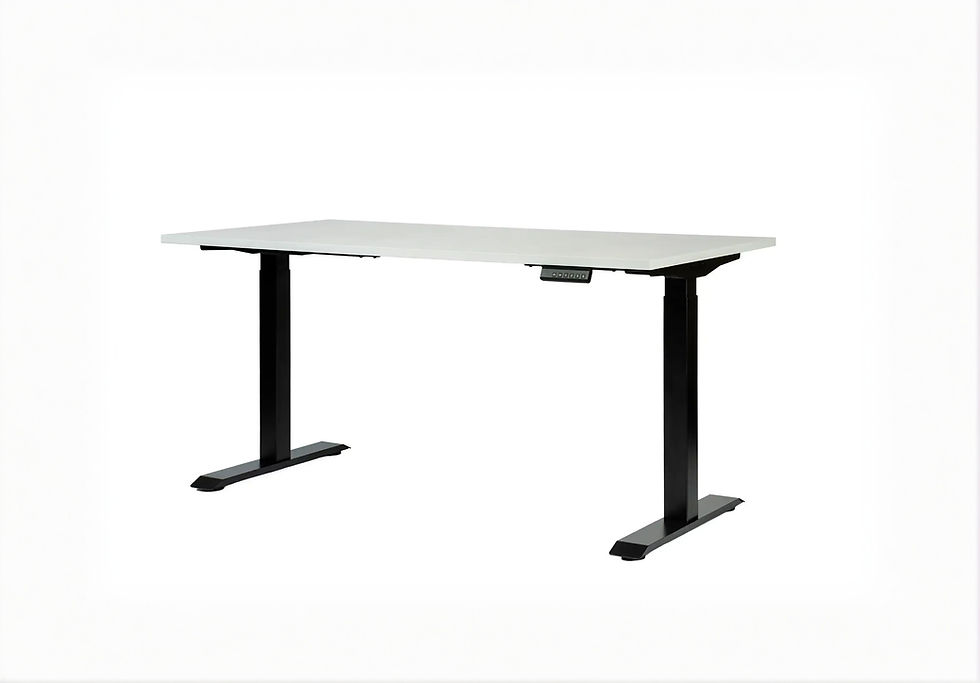
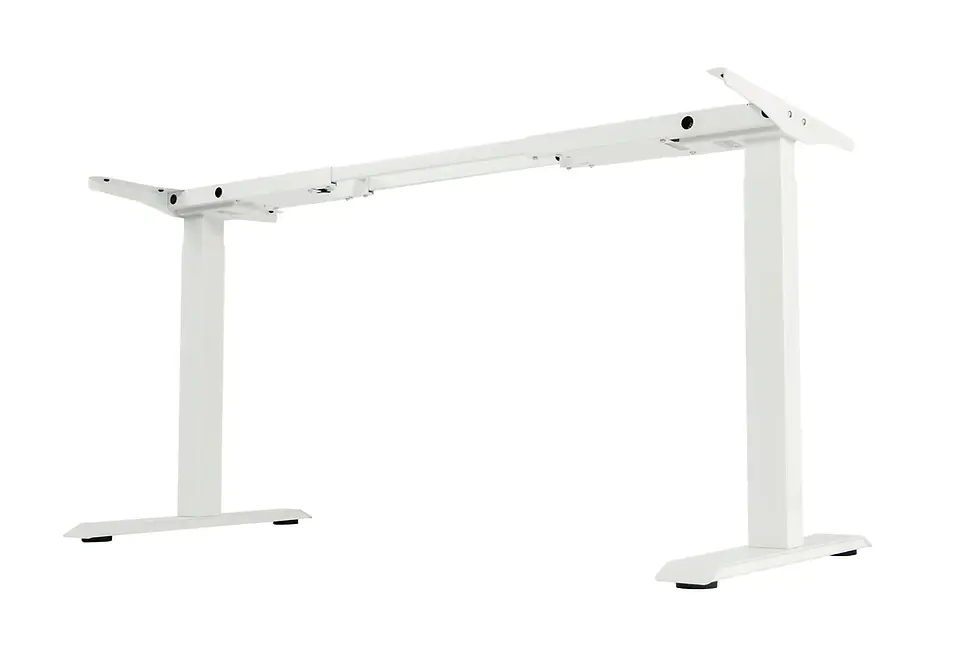
A well-positioned height-adjustable standing desk also makes it easier to optimize monitor alignment and lighting angles throughout the day.
Noise is another major factor affecting concentration — learn how to reduce office noise effectively.
FAQ: Lighting and Workplace Productivity
What lighting is best for office work?
Neutral or cool white lighting between 4000K and 5000K is generally best for office work because it supports alertness and reduces eye strain.
Is natural light better than artificial light?
Natural light is often more comfortable for the eyes and improves mood, but most workspaces still require artificial lighting to maintain consistent brightness.
Can poor lighting reduce productivity?
Yes. Poor lighting increases eye strain and fatigue, which reduces concentration and work performance.
What brightness is recommended for desk work?
Most ergonomic guidelines recommend approximately 500 lux for desk work and computer tasks.
Should a desk face a window?
Ideally the desk should be placed perpendicular to a window to reduce glare while still benefiting from natural daylight.



















Comments