
Single vs Dual Monitor Setup: Which Improves Productivity?
Updated: Mar 18

Quick Answer: Is One Monitor or Two Better for Productivity?
Dual monitors can improve productivity for tasks that involve comparing information, referencing documents, or switching between multiple applications.
However, a single monitor can sometimes improve concentration during deep work because it reduces visual distraction and context switching.
The best setup depends on your work type — but monitor positioning and ergonomic alignment matter far more than the number of screens.
Single vs Dual Monitor Setup at a Glance
Factor | Single Monitor | Dual Monitor |
Best For | Deep work, writing, strategic thinking | Multitasking, data comparison, video meetings |
Visual Distraction | Low – supports single-task focus | Higher – requires attention control |
Cost | Lower setup cost | Higher hardware cost |
Eye Strain Risk | Low if positioned correctly | Moderate if monitors are misaligned |
Productivity Gain | Baseline | Up to 20–40% improvement for multitasking workflows |
Desk Space Required | Smaller desk footprint | Larger desk or wider workspace |
Bottom line: Dual monitors improve multitasking efficiency, while single monitors can support deeper concentration during complex tasks.
Why Monitor Setup Affects Focus
Your monitor layout influences how often your attention shifts and how much visual information your brain processes.
A poorly designed monitor setup can cause:
constant context switching
excessive eye movement
visual clutter
neck and shoulder strain
All of these increase cognitive load and make it harder to maintain sustained focus.
For many professionals, improving monitor positioning and desk ergonomics has a greater impact on productivity than adding more screens.
When Dual Monitors Improve Productivity
Dual monitors work best when your workflow requires multiple sources of information at the same time.
Faster Task Switching
Instead of constantly minimizing and maximizing windows, you can dedicate one screen to each task.
For example:
primary monitor for writing, coding, or analysis
secondary monitor for research, email, or communication tools
This reduces friction when working across multiple applications.
Better Information Comparison
Dual monitors are particularly useful for:
spreadsheet analysis
programming and documentation
design work with reference material
financial dashboards
Being able to view two documents simultaneously reduces the time spent switching between windows.
More Efficient Video Meetings
Remote workers often benefit from dual monitors during meetings.
One screen can display the meeting window, while the second monitor is used for notes, documents, or presentations.
This setup makes it easier to collaborate without losing focus on the task.
When a Single Monitor Is Better
Single-monitor setups can actually improve concentration for certain types of work.
This is especially true for:
writing
strategic thinking
research
focused programming tasks
A single screen naturally limits visual distractions and encourages sustained attention on one task.
Many professionals intentionally choose minimalist desk setups to support deeper concentration.
If you want to optimize your workspace for sustained focus, see our guide on how to design a deep work environment.
The Factor That Matters More Than Monitor Count: Positioning
Most productivity issues related to monitors come from poor positioning rather than screen quantity.
Incorrect monitor alignment can cause:
neck rotation and muscle strain
eye fatigue
reduced concentration over time
Monitor positioning depends heavily on desk height — see our guide on best standing desk height for productivity to configure your workstation correctly.
Ideal Monitor Position
Positioning Factor | Recommended Setup |
Monitor height | Top of screen at or slightly below eye level |
Distance | Approximately one arm's length from your eyes |
Primary monitor | Centered directly in front of you |
Secondary monitor | Slightly angled to the side |
Brightness | Adjusted to match room lighting |
Correct positioning reduces strain and helps maintain focus during long work sessions.
Why Monitor Arms Improve Productivity
A monitor arm allows precise control over screen height, distance, and angle.
This makes it easier to:
maintain proper eye-level positioning
free up desk space
adjust monitors quickly when switching posture
Monitor arms are especially useful when using a height-adjustable desk or standing desk frame, because they allow the screen to remain correctly positioned in both sitting and standing positions.
Which Monitor Setup Is Best for Your Work Type
Software Developers
Recommended setup: dual monitors or a large ultra-wide monitor.
Developers frequently compare code and documentation, making multiple screens useful.
Designers and Creative Professionals
Recommended setup: dual monitors.
One monitor can be used for the design environment while the other displays reference material or tool panels.
Data Analysts and Finance Professionals
Recommended setup: dual or multiple monitors.
These roles often require simultaneous access to several data sources and dashboards.
Remote Workers
Recommended setup: dual monitors.
Video meetings on one screen and active work on the other allows better collaboration without interrupting workflow.
Writers and Strategic Thinkers
Recommended setup: single monitor.
A single well-positioned monitor reduces distraction and supports deep concentration.
If you are choosing screens for a new setup, see our monitor buying guide for practical recommendations on size, positioning, and desk compatibility.
Common Monitor Setup Mistakes That Reduce Productivity
Several mistakes can significantly reduce productivity even with high-quality monitors:
monitors positioned too low
screens placed too far apart
inconsistent monitor height
excessive brightness
cluttered desk surfaces
Correct alignment and a clean workspace often improve focus more than adding additional hardware.
If you want practical tools that improve desk organization and ergonomics, see our ergonomic desk accessories buying guide.
Recommended Workspace Setup for Focused Work
A balanced productivity workspace often includes:
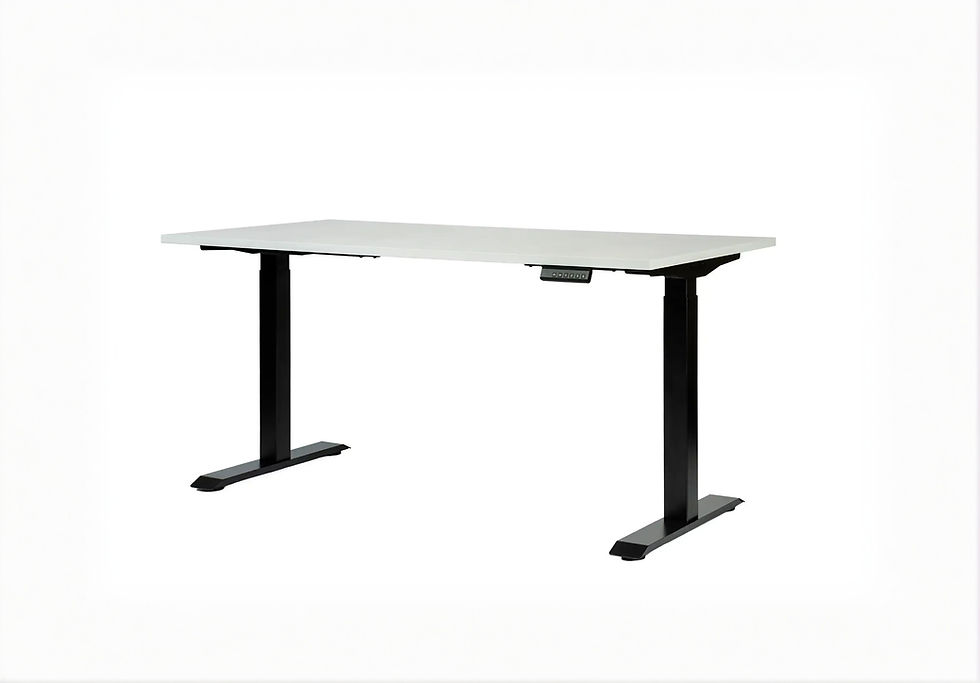
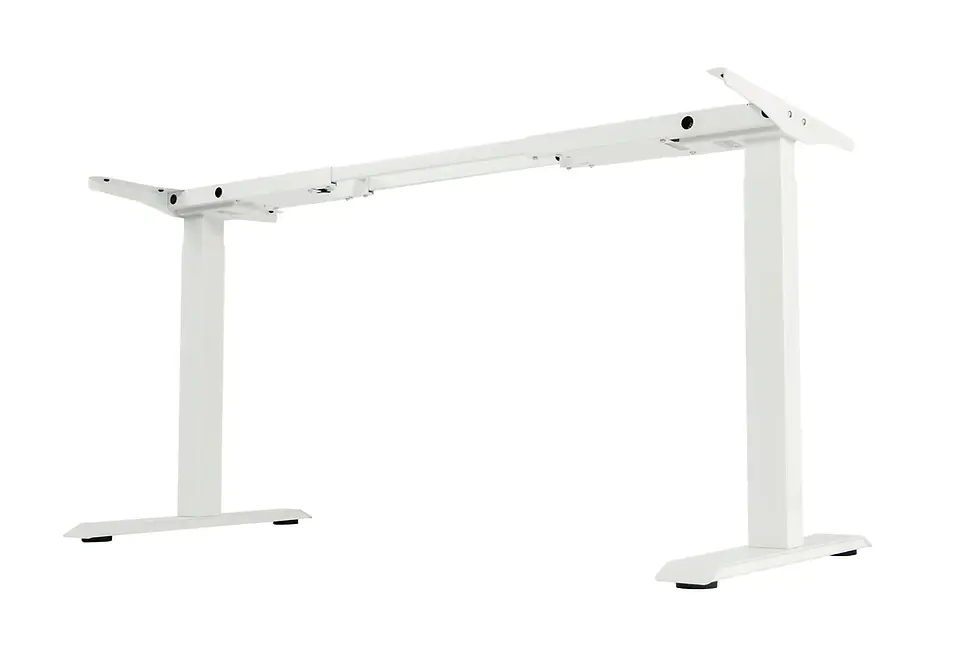
Height-adjustable desk or standing desk frame for posture variation
Monitor arm for precise screen positioning and better ergonomic alignment
Ergonomic office chair with proper lumbar support
Cable management accessories to reduce visual clutter
Sufficient office lighting for focus and productivity
Together these elements create a workspace that supports both comfort and sustained concentration.
Final Recommendation
Both single and dual monitor setups can improve productivity depending on the type of work you perform.
Dual monitors excel at multitasking and information comparison, while single monitors can support deeper focus during complex tasks.
The most productive workspace is not defined by the number of screens, but by ergonomic alignment, minimal distractions, and a flexible desk setup.
Using a standing desk frame or height-adjustable desk allows you to change posture throughout the day, helping maintain both physical comfort and mental clarity during long work sessions.
Even with a perfectly optimized monitor setup, environmental factors like noise can still reduce productivity — see our guide to reducing office noise.
FAQ: Single vs Dual Monitor Setup
Do dual monitors increase productivity?
Yes. Dual monitors can improve productivity for tasks that involve multitasking or comparing information across multiple applications.
Is a single monitor better for focus?
For many types of deep work, a single monitor can improve concentration by reducing visual distraction and context switching.
What is the best monitor position for productivity?
The top of the monitor should be at or slightly below eye level, positioned about an arm's length away from your eyes, with the primary monitor centered in front of you.
Are monitor arms worth it?
Yes. Monitor arms improve ergonomics by allowing precise control over height, distance, and viewing angle.
How large should monitors be for a dual setup?
Most professionals prefer monitors between 24 and 27 inches for dual-monitor setups, as this size provides a good balance between visibility and ergonomic comfort.





















Comments