
Ergonomic Desk Accessories Buying Guide 2026 — What Actually Improves Comfort & Productivity
Updated: Feb 26
Ergonomic desk accessories don’t replace a good chair or desk — but they eliminate daily friction that causes fatigue, pain, and productivity loss. The accessories that matter most in 2026 are those that improve posture, reduce micro-strain, and support long working sessions without cluttering your workspace.

What Are Ergonomic Desk Accessories (And Why Do They Matter)?
Ergonomic desk accessories are support tools, not furniture. They fine-tune how your body interacts with your desk, chair, screen, and input devices.
When chosen correctly, they help:
reduce neck, shoulder, and wrist strain
improve sitting posture without conscious effort
increase comfort during 6–10 hour workdays
prevent long-term repetitive stress issues
keep the workspace functional and minimal
These are not “nice to have” items — they are problem solvers. If your goal is sustained focus (not just comfort), this deep work environment guide explains how layout, lighting, and positioning affect mental fatigue and attention.
Which Ergonomic Desk Accessories Actually Make a Difference in 2026?
Not every accessory improves ergonomics. These are the ones that consistently do.
1. Monitor Arms (High Impact, Often Overlooked)
Monitor arms solve one of the most common ergonomic problems: incorrect screen height and distance.
A good monitor arm allows you to:
align the screen to eye level
reduce neck flexion and forward head posture
reclaim desk space
fine-tune distance and angle
For users working on laptops or dual monitors, a monitor arm is one of the highest ROI ergonomic upgrades.
Poor wrist positioning causes long-term strain faster than most people realize.
Accessories that matter:
ergonomic or split keyboards
mechanical keyboards with proper key resistance
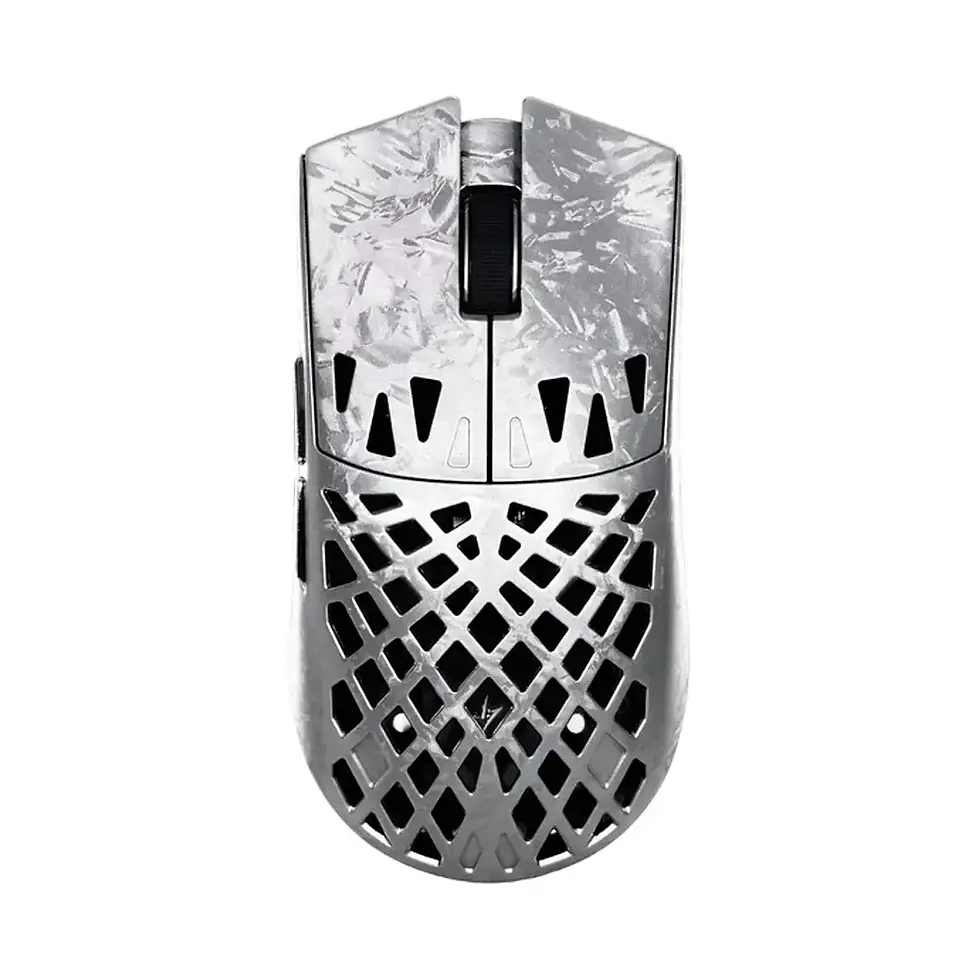
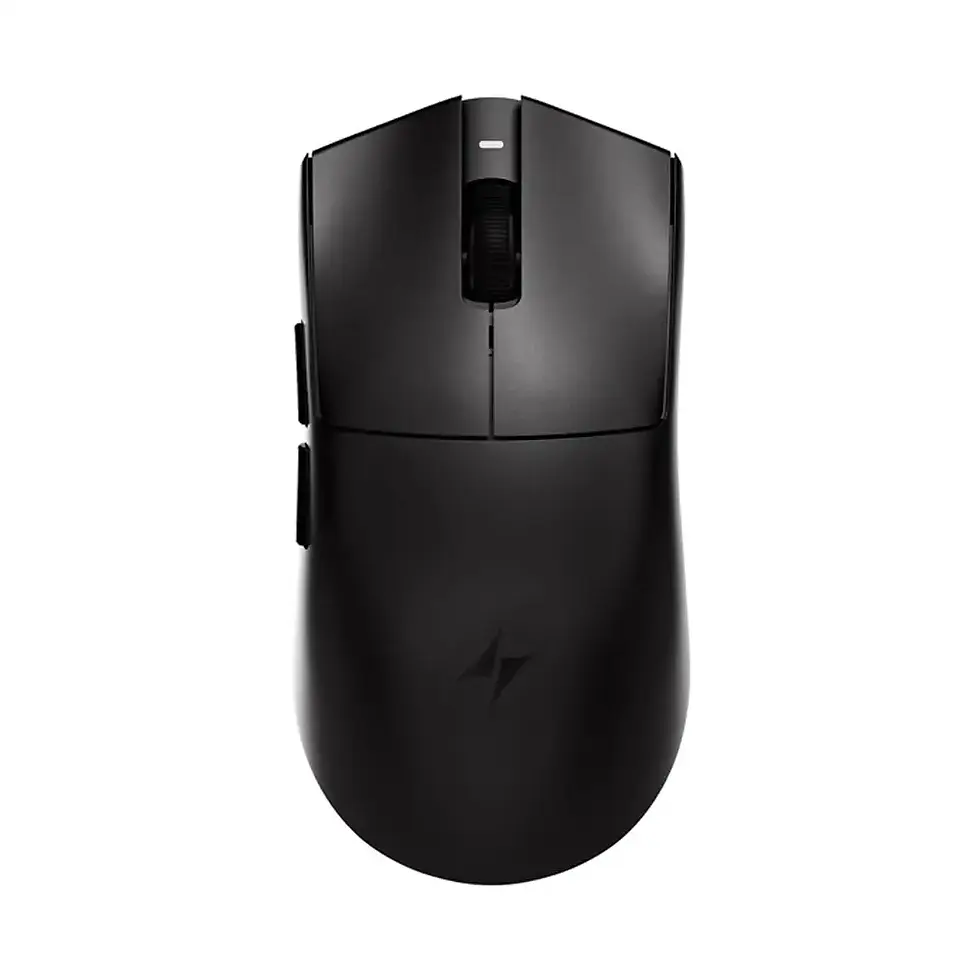
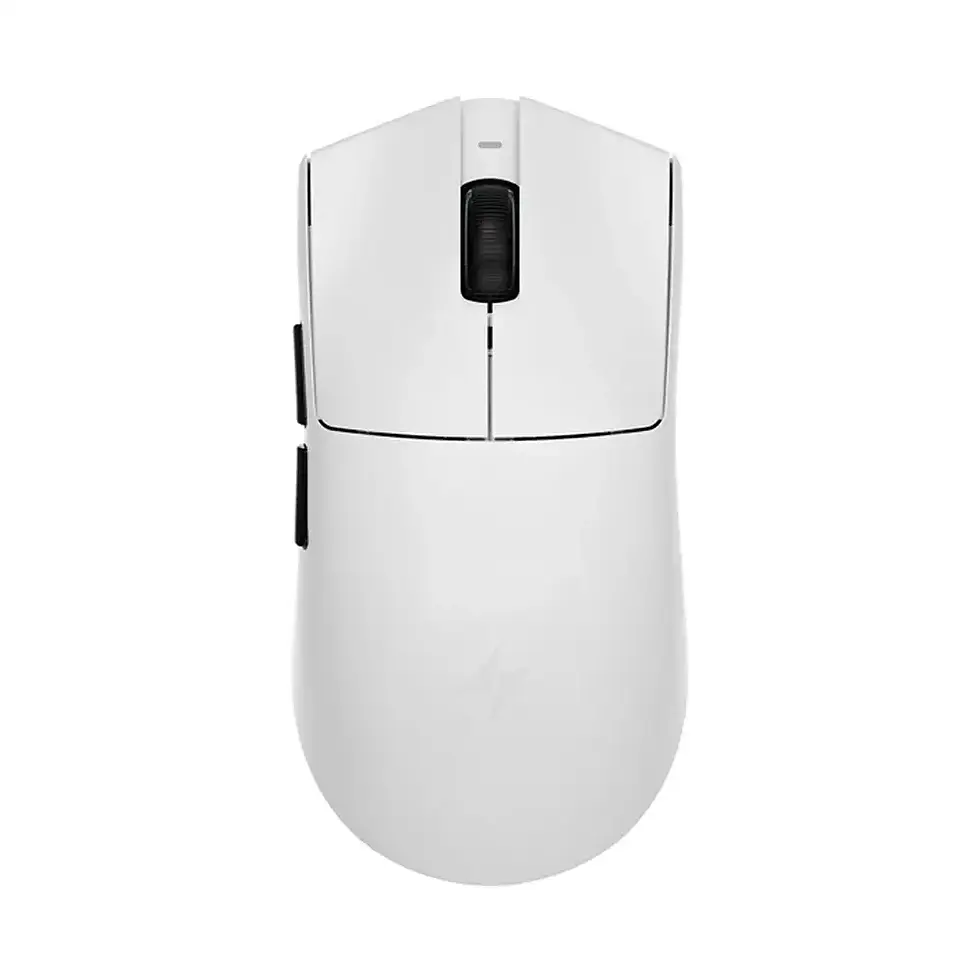
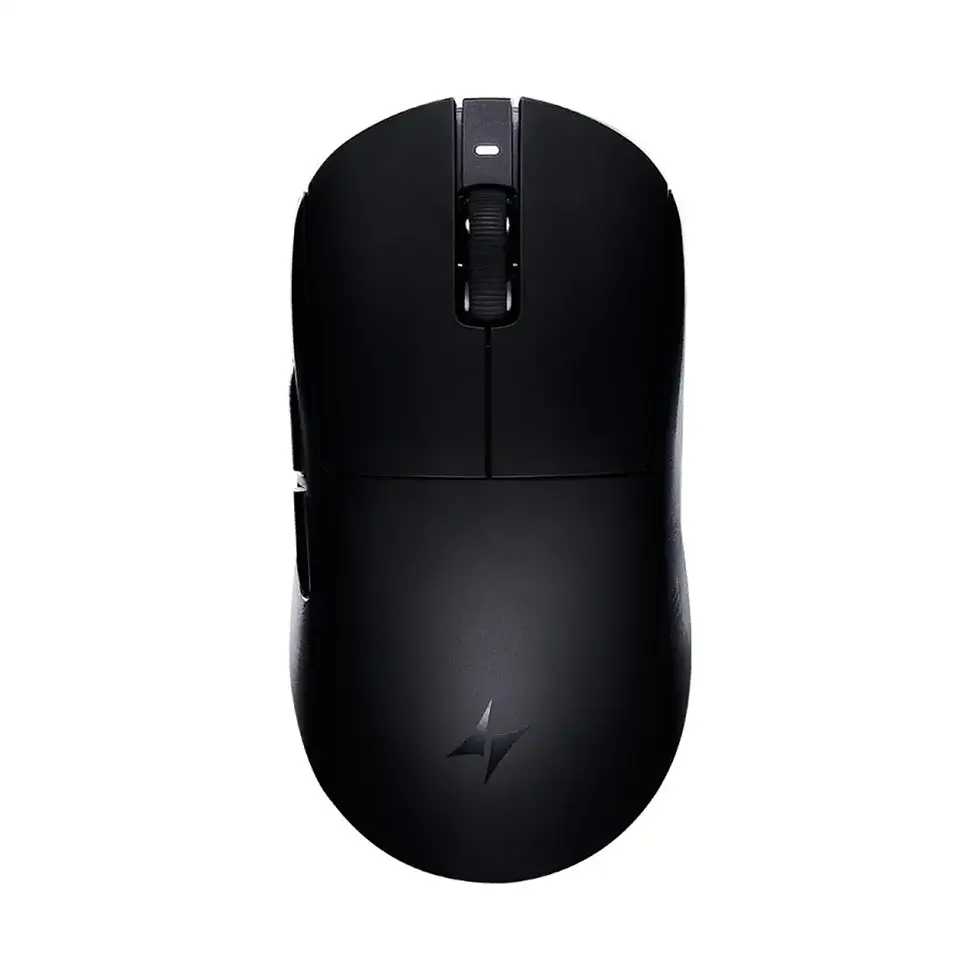
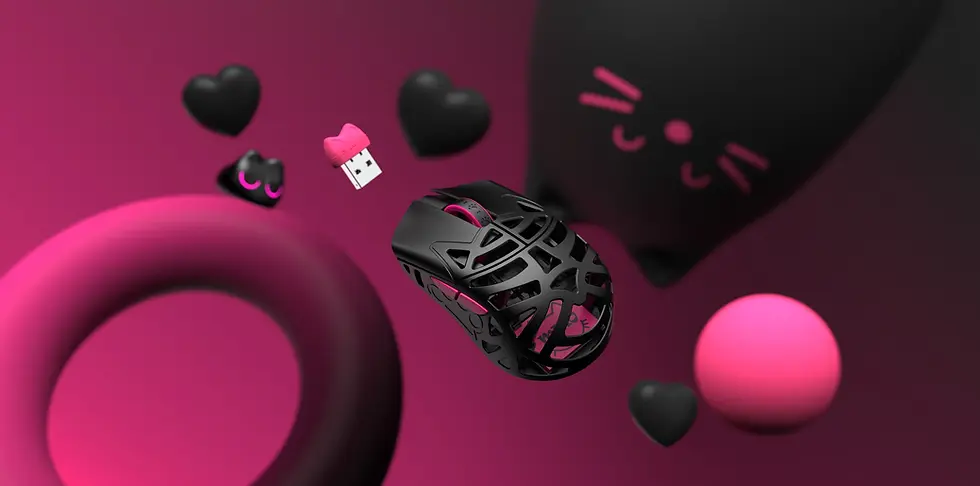
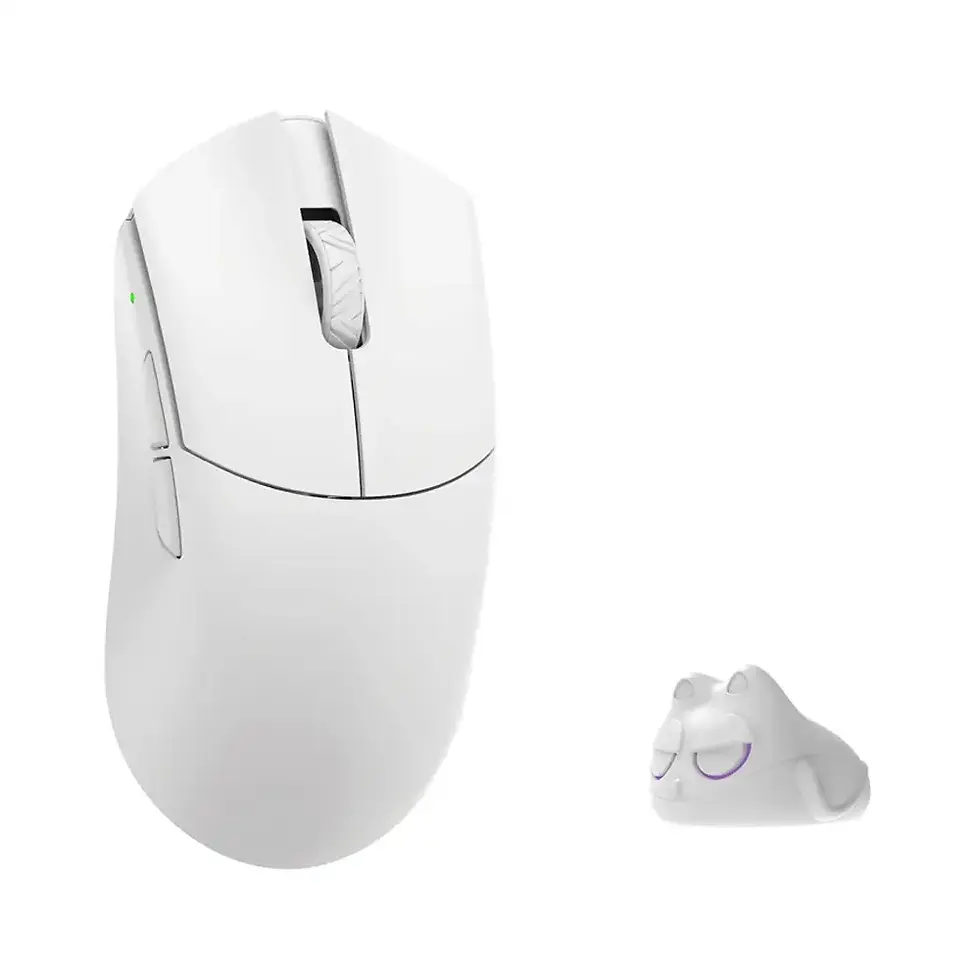
vertical or ergonomic mice
wrist-neutral mouse pads
The goal is neutral wrist alignment, not aesthetics.
3. Footrests (Small Tool, Big Posture Effect)
Footrests are critical when:
desk height can’t be adjusted
the chair is set correctly but feet don’t rest flat
users are shorter or desks are fixed-height
A proper footrest:
improves pelvic angle
reduces lower-back pressure
stabilizes posture during long sessions
This is one of the most underrated ergonomic tools.
4. Desk Mats & Wrist Supports
Not all mats are ergonomic — but the right ones help by:
reducing wrist extension
providing consistent surface friction
improving mouse tracking
Avoid overly soft gel pads. Medium-firm support works best for long sessions.
5. Cable Management & Desk Organization Tools
Clutter causes:
awkward arm reach
limited desk depth
subconscious posture compensation
Good cable management:
improves desk usability
allows better monitor positioning
supports minimalist, distraction-free setups
Ergonomics is as much about space flow as posture.
What Ergonomic Desk Accessories Do NOT Fix
This is important.
Ergonomic accessories do not replace:
a properly adjusted office chair
correct seat height and lumbar support
a desk at the right height
Accessories optimize a setup — they don’t correct fundamental mistakes.
How to Choose the Right Ergonomic Desk Accessories for Your Setup
Ask yourself:
Where do I feel discomfort after 2–3 hours? Neck → monitor positioning Wrists → keyboard/mouse Lower back → footrest or seating alignment
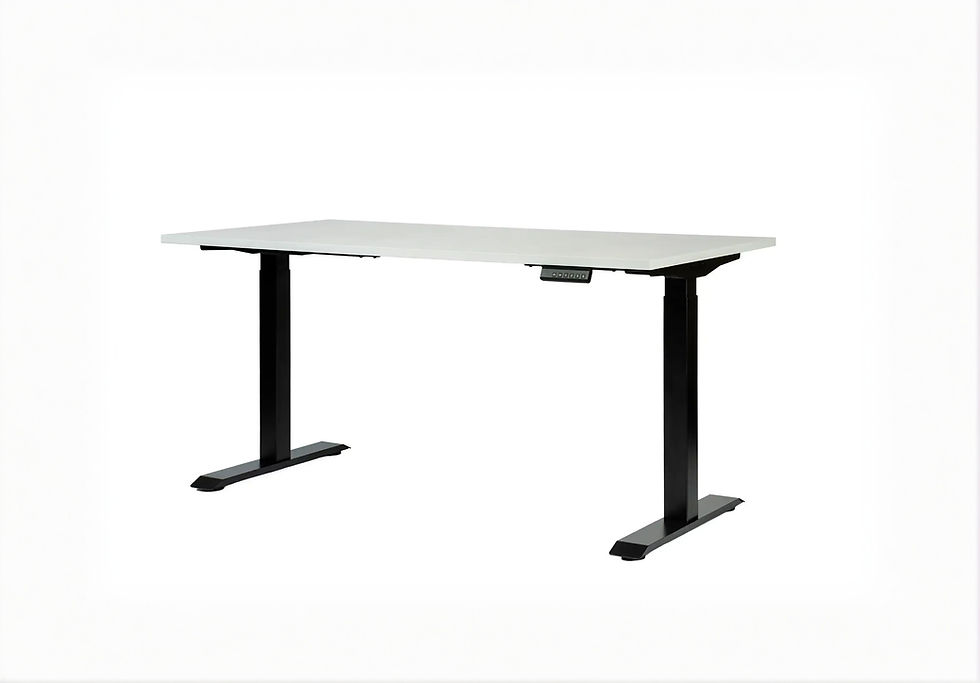
Is my desk height fixed or adjustable? Fixed desks require more accessories to compensate.
How many hours per day do I work? The longer you sit, the more micro-adjustments matter.
Do I value flexibility or minimalism more? Adjustable tools > static gadgets.
Minimal vs Fully Equipped Ergonomic Setups
Minimal Ergonomic Setup (Most Users)
monitor arm
ergonomic mouse
clean cable management
Advanced Ergonomic Setup (Long Hours / Power Users)
monitor arm(s)
ergonomic keyboard
footrest
wrist-neutral desk mat
structured cable routing
You don’t need everything — you need the right combination.
Common Mistakes When Buying Desk Accessories
buying accessories before fixing chair height
choosing looks over adjustability
cluttering the desk with unnecessary gadgets
ignoring body size and desk depth
assuming “ergonomic” marketing equals ergonomic function
Avoid these, and accessories actually work.
Who Benefits Most from Ergonomic Desk Accessories?
These tools are especially valuable for:
home office professionals
remote and hybrid workers
developers, analysts, designers
content creators
anyone working 5+ hours per day at a desk
Final Checklist — Ergonomic Desk Accessories That Are Worth It
✔ Improve posture automatically
✔ Reduce repetitive strain
✔ Adjustable, not fixed
✔ Compatible with your desk size
✔ Don’t create new clutter
✔ Support long sessions without fatigue. If an accessory meets these criteria, it’s a smart addition.
FAQ — Ergonomic Desk Accessories in 2026
What are the most important ergonomic desk accessories in 2026?
The most important ergonomic desk accessories in 2026 are monitor arms, ergonomic mice, properly designed keyboards, footrests, and cable management tools. These accessories improve posture, reduce physical strain, and support long working sessions without cluttering the workspace.
Do ergonomic desk accessories really improve productivity?
Yes. When chosen correctly, ergonomic desk accessories reduce discomfort, minimize repetitive micro-strain, and help maintain focus during 6–10 hour workdays, resulting in more consistent productivity.
Which ergonomic desk accessory should I buy first?
For most users, a monitor arm is the best first ergonomic upgrade. It corrects screen height and viewing distance, reduces neck and shoulder strain, and frees up valuable desk space.
Can ergonomic desk accessories replace an ergonomic chair or desk?
No. Ergonomic desk accessories do not replace a properly adjusted chair or desk. They optimize an existing setup but cannot fix incorrect desk height, seat height, or missing lumbar support.
Are ergonomic desk accessories worth it for home offices?
Yes. Ergonomic desk accessories are especially valuable for home offices, where desks are often fixed-height and workspaces are not professionally adjusted, increasing the need for ergonomic compensation.
What are the most common mistakes when buying ergonomic desk accessories?
Common mistakes include prioritizing aesthetics over adjustability, buying accessories before fixing chair height, cluttering the desk with unnecessary gadgets, and assuming “ergonomic” marketing guarantees real ergonomic benefits.
About Standesk
This article was prepared by Standesk, an EU-based retailer specializing in ergonomic furniture, desk accessories, and workspace equipment. Our recommendations are based on real product testing, customer feedback, and daily experience building ergonomic setups for home offices and professional workspaces across Europe.


















Comments