
Does Standing Improve Focus? A Practical Breakdown for Deep Work
Updated: Mar 12

Quick Answer: Does Standing Actually Improve Focus?
Standing can increase short-term alertness, especially when energy drops during long work sessions.
However, standing alone does not automatically improve concentration.
The real productivity benefit comes from alternating between sitting and standing strategically during the workday.
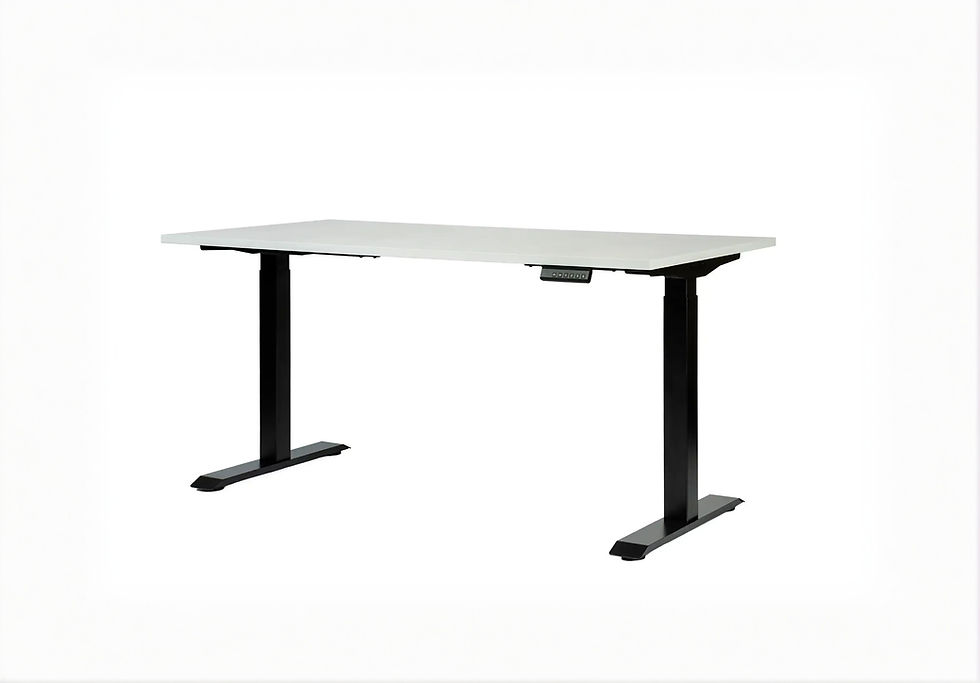
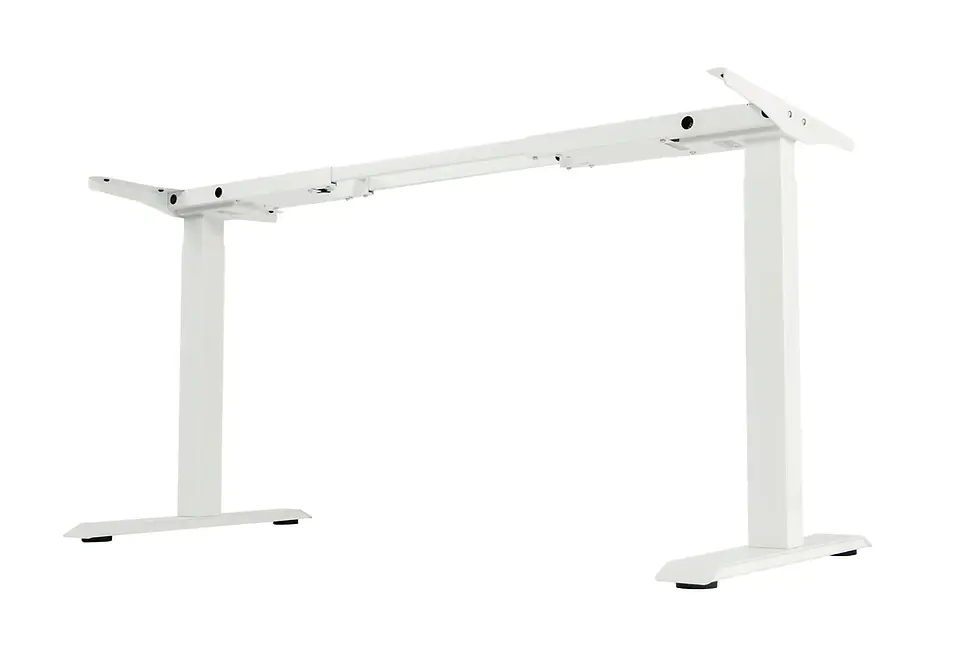
A properly configured height-adjustable desk or standing desk frame allows you to change posture without interrupting your workflow, which helps maintain both physical comfort and mental clarity.
Standing is therefore a useful productivity tool — but only when combined with correct ergonomic setup.
Why Standing Feels More Energizing
When you switch from sitting to standing, several physiological changes occur:
Blood circulation increases
Posture becomes more active
Slouching is reduced
Micro-movements naturally occur
These subtle changes can increase alertness and help prevent the mental sluggishness many professionals experience after several hours of sitting.
Many remote professionals report that standing during meetings or lighter tasks helps maintain attention, particularly during long video calls.
However, posture change alone does not create deep focus.
Your entire workspace environment — desk height, monitor alignment, lighting, and noise levels — influences sustained concentration.
If you want to optimize your setup fully, review how to design a deep work environment for practical workspace improvements.
When Standing Helps Focus the Most
Standing tends to improve focus during tasks that benefit from slightly higher energy levels.
Standing works particularly well for:
Long video meetings
Reviewing documents or research
Brainstorming sessions
Planning or organizing work
Administrative tasks
A height-adjustable standing desk allows you to shift posture during these moments without breaking workflow.
The physical activation created by standing helps prevent cognitive stagnation during extended work sessions.
When Standing Does Not Improve Focus
Standing can reduce concentration when the workspace is poorly configured.
Standing becomes problematic if:
The desk height is incorrect
The monitor is positioned too low
The keyboard forces wrist bending
You stand for long periods without shifting posture
The desk surface is unstable
Improvised setups — such as working from kitchen counters or temporary risers — often create more discomfort than benefit.
A stable standing desk frame or adjustable desk system ensures the correct ergonomic alignment needed for productive standing work.
The Real Focus Strategy: Alternating Sitting and Standing
The strongest productivity effect comes from posture variation, not standing alone.
A practical routine used by many professionals is:
Sit for 45–60 minutes during deep concentration work
Stand for 15–30 minutes during lighter tasks
Return to sitting for writing, coding, or analysis
This pattern maintains circulation while preventing both sitting fatigue and standing fatigue.
Modern electric standing desks and adjustable desk frames make these transitions effortless, allowing posture changes without disrupting focus.
Practical Insight From Real Workspaces
In many real workspaces, people initially expect standing to dramatically increase productivity.
In practice, the biggest improvement usually comes from introducing posture variation, not from standing itself.
Professionals who alternate between sitting and standing several times during the day tend to maintain energy longer and experience fewer afternoon concentration drops.
Another common observation is that focus problems attributed to sitting are often caused by incorrect desk height, unstable desk frames, or poor monitor alignment rather than posture alone.
Correcting these ergonomic factors usually improves concentration more than simply standing longer.
If you want to optimize your entire workspace for sustained focus, see our guide on how to design a deep work environment.
Desk Height and Monitor Position Matter More Than Standing
Standing is only beneficial if the workstation is aligned correctly.
A proper standing setup should include:
Elbows at approximately 90°
Monitor positioned at eye level
Neutral wrist alignment
Relaxed shoulders
If the desk height is incorrect, the body compensates and fatigue increases.
Proper posture also depends on correct desk alignment — see our guide on best standing desk height for productivity to learn how to position your desk correctly.
The ability to adjust desk height quickly ensures that both sitting and standing positions remain ergonomically correct.
For example, many professionals choose adjustable desk frames because they allow upgrading an existing desktop while adding full sit-stand functionality.
If you want to explore options, review our guide to the best standing desks for home office setups.
Standing and Cognitive Load
Focus is closely connected to physical comfort.
When the body is uncomfortable, the brain must constantly compensate for physical strain.
Standing works best when:
The desk height is correct
The monitor is aligned properly
The desk remains stable during typing
The workspace layout remains consistent
A stable standing desk frame or electric sit-stand desk helps maintain this stability throughout the day.
When posture adjustments become effortless, mental energy can remain directed toward work rather than physical discomfort.
Who Benefits Most From Standing While Working
Standing transitions are particularly helpful for professionals who:
Experience afternoon energy drops
Spend many hours in video meetings
Alternate between different types of tasks
Want to reduce long sedentary periods
Workers who combine analytical tasks with communication tasks often benefit the most from posture variation.
However, highly precise tasks such as coding, writing, or design may still feel easier while seated.
Practical Standing Routine for Deep Work
A simple posture rhythm can support long workdays.
MorningSit during the most cognitively demanding tasks.
MiddayStand during meetings or administrative work.
AfternoonAlternate sitting and standing every 30–45 minutes.
End of dayUse standing for lighter review or planning tasks.
A standing desk or adjustable desk frame makes these transitions smooth without interrupting concentration.
Common Standing Mistakes That Reduce Focus
Several common habits reduce the benefits of standing desks:
Standing for several hours continuously
Using desks that cannot adjust to correct height
Improvised standing setups
Ignoring monitor positioning
Locking knees or shifting weight constantly
Simple accessories can help correct many of these problems — for example anti-fatigue mats, footrests, and cable management solutions. If you want to improve comfort and desk organization, see our ergonomic desk accessories buying guide.
Standing improves productivity only when ergonomic alignment is correct.
Final Recommendation
Standing can increase alertness and reduce physical fatigue during long workdays.
However, the most effective productivity strategy is not standing more — it is reducing static posture time.
Alternating between sitting and standing throughout the day provides the best balance between comfort, energy, and sustained concentration.
A well-configured height-adjustable desk or standing desk frame makes this flexibility possible and supports a healthier, more focused workspace.
Recommended Setup for Focused Work
If your goal is to maintain concentration during long work sessions, a few key workspace elements make a noticeable difference.
A typical deep work setup often includes:
Height-adjustable standing desk or standing desk frame for posture variation
Ergonomic office chair with proper lumbar support
Monitor arm to position the screen at eye level
Anti-fatigue standing mat for comfortable standing sessions
Cable management accessories to keep the desk surface clear
Together, these elements create a workspace that supports both physical comfort and sustained mental focus.
FAQ: Standing Desks and Focus
Does a standing desk improve productivity?
A standing desk can improve alertness and reduce fatigue from prolonged sitting. Productivity benefits are strongest when users alternate between sitting and standing rather than standing continuously.
How long should you stand at a standing desk?
Most professionals benefit from standing for 15–30 minutes at a time before returning to a seated position. Alternating posture throughout the day is more effective than standing for long continuous periods.
Are standing desk frames better than desk converters?
Standing desk frames often provide better stability and full height adjustment because they support the entire desk surface. Desk converters can work temporarily but may limit ergonomic positioning.
Is an electric standing desk better than manual adjustment?
Electric standing desks allow quick and precise height changes, which encourages more frequent posture changes during the day. Manual adjustment desks can still work effectively but are typically used less often.
Do standing desks reduce fatigue?
Standing desks help reduce fatigue associated with long sitting sessions by promoting posture variation and improving circulation.
























Comments