
Health Benefits of Height Adjustable Desks
Updated: Dec 22, 2025
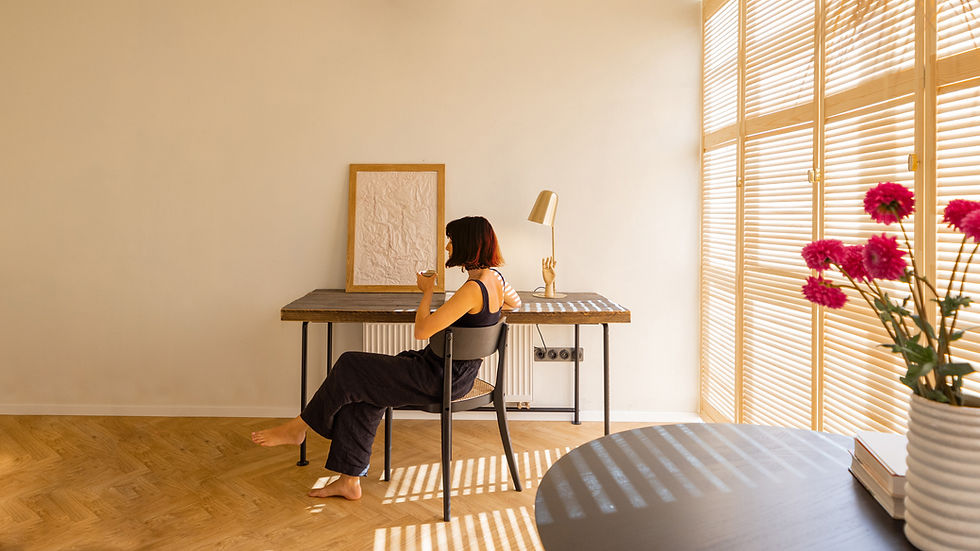
In recent years, height adjustable desks — also known as standing desks — have surged in popularity as a powerful solution to the negative health effects of prolonged sitting. Research continues to show that alternating between sitting and standing throughout the workday can improve posture, boost energy, increase calorie burn, and reduce the risk of chronic diseases. This guide explains the science behind standing desks, their key health benefits, and how to use them effectively for maximum results.
The Science Behind Standing Desks
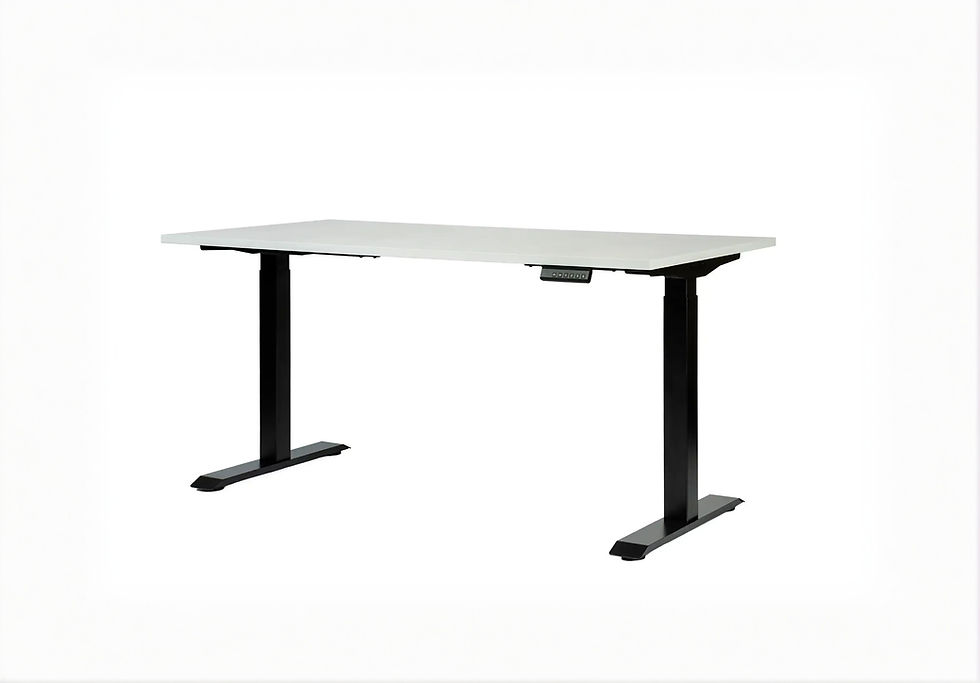
Height adjustable desks allow users to effortlessly switch between sitting and standing positions. This simple ergonomic change has a profound impact on how the body functions throughout the day.
Increased Calorie Expenditure
Standing burns more calories than sitting. Although the difference per minute seems small, it adds up. Studies published in the Journal of Physical Activity and Health show that standing burns an extra 0.15 calories per minute compared to sitting — which can result in meaningful calorie expenditure over time.
Reduced Musculoskeletal Strain
Long hours of sitting place stress on the lower back, neck, and shoulders, contributing to chronic pain. Standing desks promote natural spinal alignment and relieve pressure on joints and muscles, reducing pain related to poor posture.
Improved Circulation
Sitting for extended periods slows blood flow, leading to leg discomfort, fatigue, and even long-term cardiovascular issues. Standing encourages movement and boosts circulation, decreasing the risk of swelling, stiffness, and varicose veins.
Health Benefits of Height Adjustable Desks
Better Posture & Spinal Alignment
Switching positions helps maintain a neutral spine, reducing slouching and encouraging healthier posture habits.
Lower Risk of Weight Gain & Obesity
Increased movement throughout the day supports higher energy expenditure and helps regulate metabolism.
Reduced Risk of Chronic Diseases
Research links excessive sitting to heart disease, type 2 diabetes, and certain cancers. Standing desks help counteract these risks by promoting activity and blood flow.
Improved Mood & Energy Levels
Workers who alternate between sitting and standing report fewer feelings of fatigue, improved mood, and higher engagement. A Texas A&M University study found that employees using standing desks experienced increased productivity and cognitive function throughout the workday. For a deeper look at how different models support daily movement and ergonomics, see our Best Standing Desks for Home & Office in 2026 guide.
Tips for Using a Height Adjustable Desk Effectively
To truly benefit from an adjustable desk, proper usage is essential.
Start Slowly
If you're new to standing desks, gradually increase your standing time. Begin with short intervals and extend them as you get comfortable.
Invest in Proper Footwear
Supportive shoes reduce strain on the feet and lower back. Avoid standing in flat or unsupportive footwear.
Use an Anti-Fatigue Mat
Standing for long periods can put pressure on your joints. Anti-fatigue mats add cushioning and reduce discomfort.
Maintain Good Posture
Whether sitting or standing, keep your back straight, shoulders relaxed, and feet flat on the ground. Your monitor should be at eye level to prevent neck strain.
Conclusion
Height adjustable desks offer a simple yet highly effective way to counteract the health risks of prolonged sitting. By alternating positions throughout the day, users can improve posture, increase energy, reduce chronic discomfort, and promote long-term wellness. When paired with proper ergonomic habits, these desks have the potential to transform the modern workspace into a healthier, more productive environment.
FAQ – Height Adjustable Desks
1. Are height adjustable desks actually good for your health?
Yes. They help reduce back pain, improve posture, increase energy, enhance circulation, and lower the risk of chronic diseases associated with prolonged sitting.
2. How many hours per day should I stand at a standing desk?
Experts recommend alternating every 30–60 minutes. A balanced approach is standing for 2–4 hours total per workday.
3. Can using a standing desk help with weight loss?
Standing burns more calories than sitting and encourages additional movement, which supports weight management.
4. Do standing desks reduce back and neck pain?
Yes. By promoting natural spinal alignment and reducing pressure on the lumbar area, many users experience reduced pain.
5. What is the best ergonomic setup for a standing desk?
Your monitor should be at eye level, elbows at 90 degrees, wrists neutral, and feet flat on the floor or mat.
6. Are standing desks good for productivity?
Studies show improved energy, focus, and engagement when workers alternate sitting and standing throughout the day.
7. Do I need an anti-fatigue mat?
While not required, it greatly improves comfort and reduces joint strain during longer standing sessions.


























Comments