
Work Smart with a Standing Desk

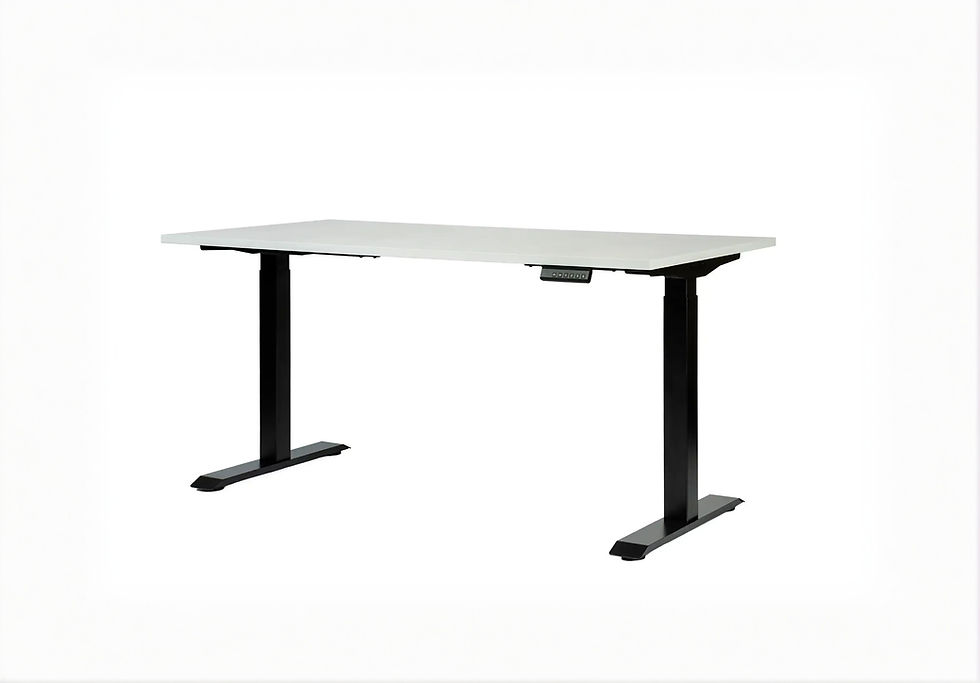
Sitting for long hours can strain your neck, back, and overall posture. A standing desk offers a healthier, more dynamic way to work by helping you stay active, aligned, and productive throughout the day. In this guide, we’ll explore the key benefits of height-adjustable desks and show how they can transform your workstation into a more ergonomic and efficient space.
The Key Benefits of Height Adjustable Desks
Ergonomic Excellence
One of the most important advantages of a height adjustable desk is its ergonomic design. These desks allow you to effortlessly switch between sitting and standing, helping maintain a neutral spine posture and reducing pressure on your lower back. By improving alignment and reducing musculoskeletal strain, height adjustable desks support long-term comfort and overall well-being.
Customizable Convenience
Every workplace is different — and so are your needs. Modern height adjustable desk frames offer:
Multiple height settings
Options for different tabletop sizes
Compatibility with a wide range of materials
This flexibility allows you to personalize your desk to suit your height, preferred working style, and interior design. A height adjustable desk also lets you fine-tune the lower position, which is crucial for shorter users or children who may struggle with standard desk heights.
Smooth and Silent Transitions
A good standing desk should never disrupt your workflow. High-quality desk frames use advanced lifting technology to ensure:
Smooth movement
Quiet height adjustments
Easy switching between positions
With just the push of a button (or a gentle manual lift), you can change your working posture without distracting colleagues — or losing focus yourself.
Stability and Durability
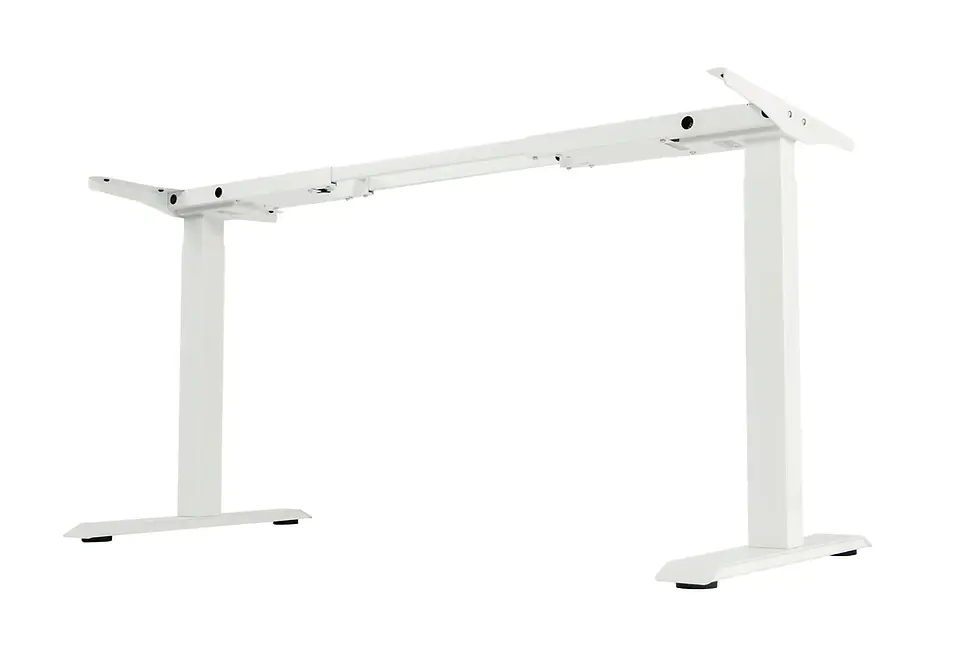
A standing desk frame is an investment. That’s why durability matters. Look for frames built from strong, long-lasting materials like steel or aluminum, capable of supporting heavy loads without wobbling. Premium models undergo extensive testing to ensure they remain stable even after years of daily height adjustments.
Better Cable Management
A cluttered workspace can significantly reduce productivity. The best standing desk setups include:
Integrated cable management systems
Monitor arms
Under-desk trays
Power strip mounts
These features keep cables out of sight and create a clean, organized working area that boosts concentration and efficiency.
Smart Features
Some advanced standing desk frames include:
Programmable height presets
Anti-collision safety sensors
Soft-start and soft-stop mechanisms
Child-lock protection
These features provide convenience, safety, and a smoother daily experience — allowing your desk to adapt to you, not the other way around.
Why a Standing Desk Matters for Your Health
Prolonged sitting has been linked to back pain, reduced energy levels, and even metabolic issues. Standing desks help counter these risks by encouraging movement, improving circulation, and keeping your posture active rather than passive. A balanced routine of sitting and standing is proven to support cognitive function, reduce stiffness, and elevate overall workplace well-being. To explore how different models, frames, and configurations compare, see our Best Standing Desks for Home & Office in 2026 guide.
Conclusion
Investing in a height adjustable desk is more than a trend — it's a practical step toward a healthier, more productive work environment. By combining ergonomic design, customization options, smooth transitions, stability, cable management, and smart features, standing desks empower you to work smarter, feel better, and stay productive all day long.
For users who already like their tabletop, a standing desk frame upgrade may be a smarter route than replacing the full desk.
FAQ – Standing Desks & Ergonomics
1. How long should I stand while using a standing desk?
Experts recommend alternating between sitting and standing every 30–60 minutes. The key is movement — not standing all day.
2. Are standing desks good for back pain?
Yes. Standing desks help reduce pressure on your spine, encourage proper posture, and can alleviate lower-back discomfort caused by prolonged sitting.
3. Do standing desks improve productivity?
Many users report increased focus, better energy levels, and reduced mid-day fatigue when using a standing desk regularly.
4. What accessories should I use with a standing desk?
The most useful accessories include:
Monitor arm
Anti-fatigue mat
Cable management trays
Ergonomic chair
Footrest
These enhance comfort and organization.
5. Is a height adjustable desk worth the investment?
Absolutely. A high-quality frame offers long-term durability, health benefits, improved workflow, and a more comfortable workstation tailored to your needs.





















Comments