
Standing Desk Benefits Backed by Science (2025 Research Review)

Sitting for long hours has become a global health concern — and research from the past decade confirms that prolonged sedentary behavior contributes to back pain, reduced mobility, lower energy levels, and increased risk of chronic illness. Standing desks offer a powerful solution: they encourage movement, improve posture, enhance metabolic activity, and support long-term wellness.
This 2025 research-based guide breaks down the scientifically proven benefits of standing desks and explains how to use them effectively for maximum impact.
What Science Says About Sitting vs. Standing
Prolonged Sitting Increases Risk of Chronic Disease
Studies published in journals including The Lancet, BMJ, and JAMA Internal Medicine show that sitting for 8+ hours per day is linked to:
Higher risk of cardiovascular disease
Increased insulin resistance
Lower metabolic activity
Increased likelihood of weight gain and obesity
Higher all-cause mortality rates
Even regular exercise does not fully reverse the negative effects of prolonged sitting — the body needs consistent low-intensity movement throughout the day.
Standing Increases Daily Energy Expenditure
Research from the Journal of Physical Activity and Health found that:
Standing burns 20–30% more calories than sitting
Alternating positions increases circulation and oxygen flow
Light activity throughout the day supports metabolic health
While standing alone won’t replace exercise, it provides ongoing metabolic stimulation that counters “office lifestyle stagnation.”
Reduced Musculoskeletal Pain and Better Posture
A 2024 review by the Occupational Ergonomics Research Center (OERC) demonstrated that standing desks significantly reduce:
Lower back pain
Neck strain
Shoulder tension
Static posture fatigue
Standing naturally positions the spine in a neutral alignment, reducing pressure on intervertebral discs and promoting healthier posture habits.
Standing Improves Cognitive Function and Focus
Recent studies from Texas A&M University and University College London revealed:
Up to 15% higher productivity when using a standing desk
Improved executive function and decision-making
Reduced mental fatigue during long work sessions
Higher engagement and alertness
Movement increases blood flow to the brain, supporting cognitive performance and sustained attention.
Additional Proven Benefits of Standing Desks
Improved Circulation
Standing encourages better blood flow to the legs, reducing:
Leg swelling
Numbness
Varicose vein formation
Circulation-related fatigue
This is particularly beneficial for individuals who sit for extended periods at work.
Reduced Risk of Weight Gain
Even small increases in daily activity add up. Standing for an extra 2–4 hours per day can burn an additional:
120–200 calories daily
600–1,000 calories weekly
Over the long term, this contributes to weight management and improved metabolic function.
Lower Stress and Better Mood
Multiple workplace studies show that employees using standing desks report:
Reduced stress levels
More positive mood
Higher motivation
Greater sense of well-being
Movement stimulates endorphins, reduces stiffness, and combats the lethargy often associated with prolonged sitting.
How to Use a Standing Desk Correctly (Science-Based Tips)
Alternate Between Sitting and Standing
Researchers recommend a strategy known as Sit–Stand Cycling:
30–45 minutes sitting
15–30 minutes standing
Repeat throughout the day
The goal is movement, not standing continuously.
Maintain Proper Ergonomics
For optimal posture:
Monitor at eye level
Elbows at 90 degrees
Shoulders relaxed
Weight evenly distributed across both feet
Use an anti-fatigue mat for comfort
Ergonomics ensure the benefits of standing without new strain.
Move Frequently
Incorporate micro-movements:
Weight shifting
Stretching
Short walks
Calf raises or gentle mobility exercises
Light movement enhances circulation and prevents stiffness.
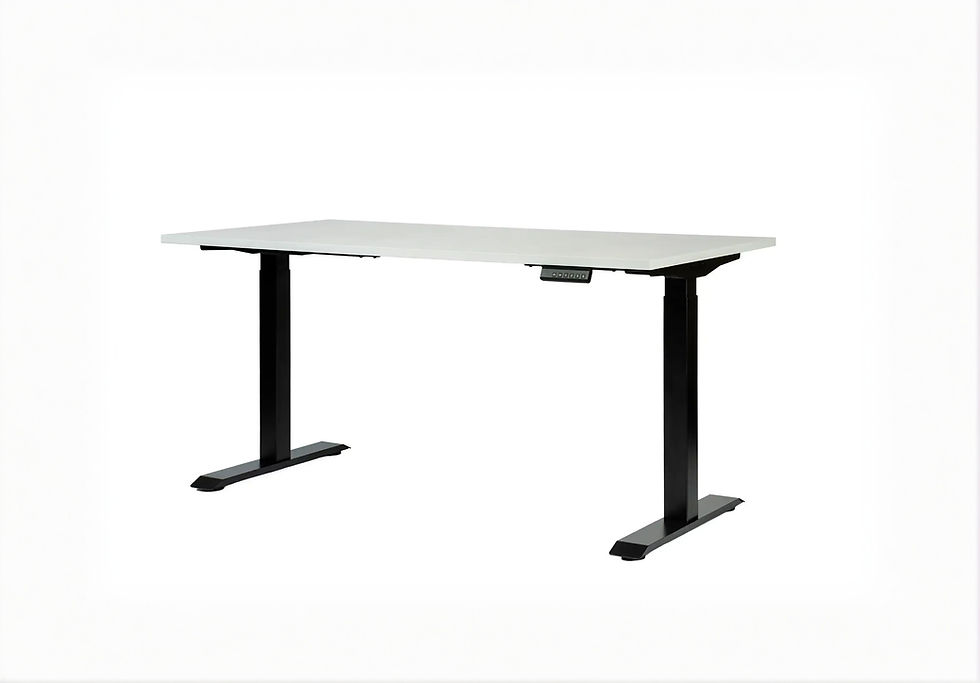
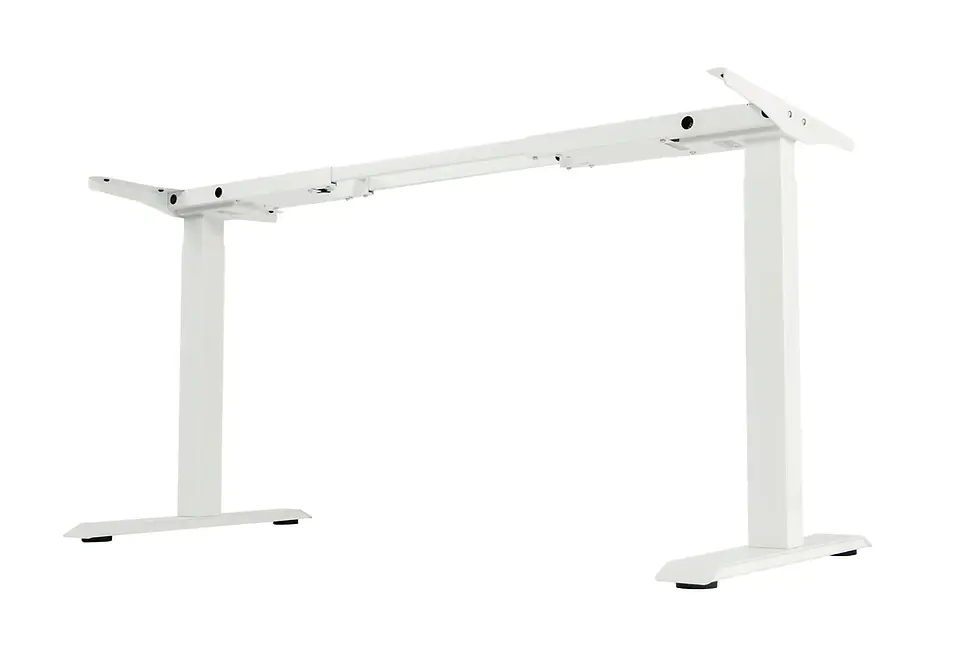
The benefits also depend on choosing the right setup. If you already own a suitable tabletop, compare whether a standing desk frame or full standing desk makes more sense for your workspace.
Conclusion
Scientific evidence is clear: standing desks offer meaningful improvements to physical health, posture, energy, and productivity — making a height-adjustable desk one of the smartest long-term investments for modern workspaces.. When used correctly, a height-adjustable desk becomes one of the most effective ergonomic tools for long-term wellness — transforming how we work in 2025 and beyond.
FAQ — Standing Desk Benefits Backed by Science
1. Is standing healthier than sitting?
Yes — studies confirm that alternating between sitting and standing improves metabolic activity, reduces back pain, and supports better circulation.
2. How many hours should I stand at my desk each day?
The ideal balance is 2–4 hours of standing per workday, alternating positions every 30–60 minutes.
3. Do standing desks improve productivity?
Research shows improved concentration, faster task completion, and reduced fatigue when users incorporate standing into their routine.
4. Can standing desks help with back pain?
Yes — they promote neutral spine posture and reduce spinal pressure, which can relieve chronic back discomfort.
5. Are standing desks good for everyone?
Most people benefit, but ergonomics must be adjusted to height and comfort. A combination of sitting and standing is recommended.
6. Do I need additional accessories?
Optional but helpful:
Anti-fatigue mat
Monitor arm
Cable management system
Ergonomic chair
These enhance comfort and support proper posture.




























Comments