
Best Office Chairs for Back Pain in 2026 — Expert Picks & Ergonomic Guide
Updated: Dec 22, 2025

Choosing the right office chair can significantly reduce lower-back pain, improve posture and prevent long-term spinal issues. In this 2026 guide, we review the best ergonomic office chairs for back pain and explain which features truly matter for all-day comfort.
Why Back Pain Happens When You Sit for Long Hours
The Real Causes of Pain (and Why a Chair Matters)
Compression of the lumbar spine
Lack of proper pelvic support
Weak or fixed backrest
Wrong seat depth that pushes the pelvis forward
Poor posture due to incorrect monitor height
How an Ergonomic Chair Reduces Stress on the Spine
Active lumbar support
Adjustable recline + synchro-tilt mechanism
Correct weight distribution
Promotes neutral S-curve of the spine
Even the best ergonomic chair can fail if it’s adjusted incorrectly — proper sitting posture and chair setup are essential for real back pain relief. For a complete overview of chair types, features, and fit, see our office chair buying guide.
Back pain relief doesn’t always require an expensive chair — many budget ergonomic office chairs now offer proper lumbar support and spinal alignment when chosen correctly.
Key Features to Look For in an Office Chair for Back Pain
Fully Adjustable Lumbar Support (MUST-HAVE)
Dynamic support that moves with your back
Height and depth adjustment
Why fixed lumbar pads rarely work
Seat Depth & Waterfall Edge
Prevents pressure on thighs
Helps keep pelvis neutral
Ideal depth ranges for different body types
Recline Mechanism & Tension Adjustment
Why 110–135° recline reduces spinal pressure
Benefits of synchro-tilt vs cheap tilt-lock
Backrest Height & Mesh vs Foam
High mesh back for breathability
When foam is better for lumbar shaping
Armrests (4D or 3D)
Prevents shoulder tension
Helps maintain proper posture
Best Office Chairs for Back Pain in 2026 (Top Picks)
If you sit for 8 or more hours per day, comfort over time matters as much as support — chairs designed specifically for long work hours help prevent pressure buildup and fatigue.
1. Best Overall:
Why it’s great for back pain:
Adjustable lumbar (height + depth)
Natural S-curve backrest
Synchro-tilt mechanism
Ideal for 6–10 hours of sitting
Perfect for: home office & standard desk setups.
2. Best for Lower Back Pain / Lumbar Pain
Why this chair works:
Deeper lumbar pocket
Forward tilt for pelvic support
Excellent seat contouring
3. Best Budget Ergonomic Chair
Why it’s good even at a low price:
Mesh back for even weight distribution
Basic adjustable lumbar
Enough recline for spinal relief
4. Best High-End Ergonomic Chair
Premium features:
Auto-adjust lumbar
Multi-zone back support
Perfect for 10–12 hour workdays
5. Best for Tall People
Key benefits:
Extended backrest
Larger seat depth
Higher weight limit
Lumbar adjusts to longer torso length
6. Best for Shorter Users
Why it works:
Smaller seat depth (40–45 cm)
Lower minimum seat height
Lumbar that aligns with the natural curve
How to Set Up Your Chair to Reduce Back Pain (Step-by-Step)
Step 1 — Adjust Seat Height
Feet flat on floor, knees at 90° angle.
Step 2 — Set the Lumbar Support
Lumbar pad should sit in the natural curve of your lower back.
Step 3 — Adjust Seat Depth
2–3 fingers of space between seat and knees.
Step 4 — Set Backrest Recline
110–120° is ideal for reducing spinal pressure.
Step 5 — Armrest Position
Elbows at 90°, shoulders relaxed.
When Should You Replace Your Office Chair?
Worn-out foam causing pelvic tilt
Fixed recline or weak tilt lock
Cracked lumbar support
Pain appears after 1–2 hours of sitting
Best Accessories to Improve Back Support
Footrest —
reduces lower-back pressure when height is too high
Monitor arm —
prevents slouching
Seat cushion —
improves pelvic angle
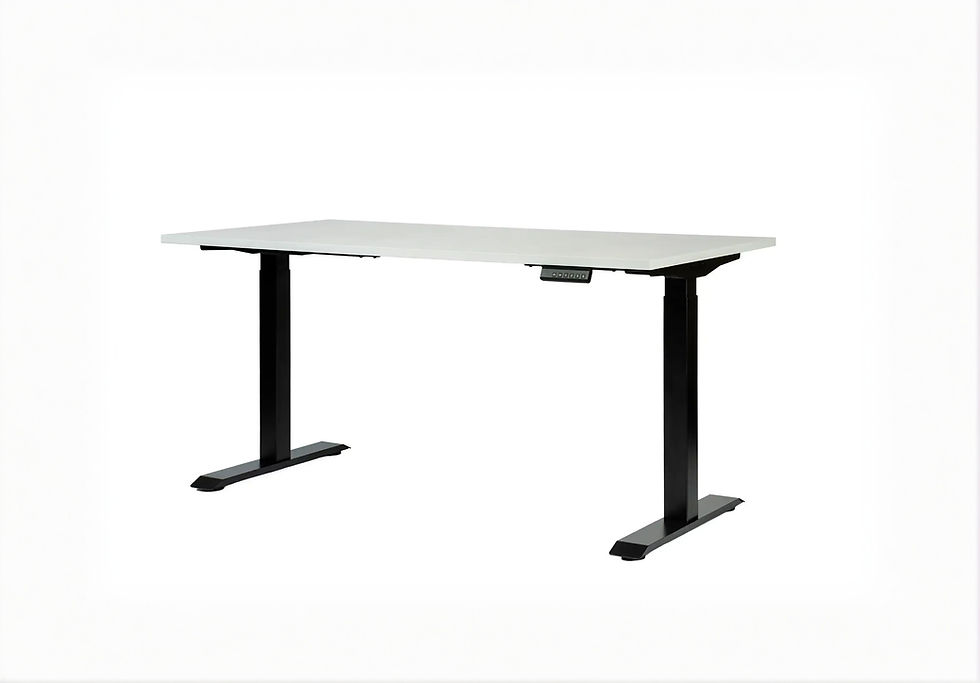
Standing desk combo —
dynamic posture reduces pain
FAQ — Office Chairs for Back Pain (2026)
1. Which office chair is best for lower-back pain?
A chair with fully adjustable lumbar support, recline and proper seat depth.
2. Is mesh or foam better for back pain?
Mesh = better breathability & spinal shaping; Foam = better contouring and pressure distribution.
3. How many hours a day can I sit without hurting my back?
With the right ergonomics: 6–8 hours, plus breaks every 45–60 minutes.
4. Do expensive ergonomic chairs make a difference for back pain?
Yes — high-end models have multi-zone lumbar, better mechanisms and endurance.
5. Can an office chair fix chronic lower-back pain?
It reduces symptoms, but posture habits, desk height and monitor position matter too.

















Comments