
Office Chair Ergonomics: How to Sit Correctly in 2026 — Complete Posture & Setup Guide
Updated: Dec 22, 2025

Proper ergonomics is one of the easiest and most effective ways to reduce back pain, improve focus, and prevent long-term spine issues. In this 2026 expert guide, you’ll learn how to adjust your office chair, set up your workstation, and sit in a way that keeps your body aligned and pain-free throughout the day.
Why Ergonomics Matters More Than Ever in 2026
Remote work and hybrid setups have made home offices the new norm. But most people still sit incorrectly — slouching, leaning forward, or setting their desk at the wrong height. Over time this leads to:
Lower-back pain
Neck tension and headaches
Shoulder rounding
Poor circulation
Chronic discomfort even outside work
Good ergonomics is not about sitting “perfectly” — it’s about creating a setup that supports your natural posture with minimum effort.
How to Adjust Your Office Chair Step-by-Step
If you work long sessions, posture alone isn’t enough — chair comfort over extended hours becomes just as important as correct positioning.
1. Set the Correct Seat Height
Your feet should rest flat on the floor.
Knees at a 90° angle or slightly below hip level.
If the desk is too high → use a footrest instead of raising the seat.
2. Adjust the Lumbar Support
The lumbar pad should align with the natural inward curve of your lower back.
If adjustable, move it up/down + in/out until your spine feels supported without pushing you forward.
3. Fix the Seat Depth
Leave 2–3 fingers of space between the edge of the seat and your knees.
Too deep = pressure on thighs; too shallow = lack of pelvic support.
4. Set the Backrest Recline Angle
Best ergonomic recline range: 110–120°.
Slight recline reduces spinal pressure by up to 40%.
Locking upright at 90° for long hours → unnecessary strain.
5. Adjust the Armrests
Shoulders relaxed, elbows bent roughly at 90°.
Armrests should support your arms without lifting your shoulders upward.
If they prevent you from getting close to the desk → lower or turn them inward.
6. Align the Headrest (If Available)
Used mainly during recline.
Supports upper spine and prevents neck extension.
Correct posture only works when the chair supports it properly — even affordable ergonomic office chairs can enable correct sitting if they offer the right adjustments. For a full breakdown of what features actually matter, see our office chair buying guide.
How to Sit Correctly Throughout the Workday
Maintain the Natural “S-Curve” of Your Spine
Your body should feel balanced — not forced into a rigid pose.
Keep Your Hips Back in the Seat
Sliding forward on the chair eliminates lumbar support and encourages slouching.
Relax Your Shoulders
They shouldn’t rise toward your ears. Tension = bad ergonomics.
Keep Your Elbows Close to Your Body
Reduces shoulder fatigue and upper-back strain.
Monitor at Eye Level
If the screen is too low → you’ll lean forward. Ideal: top of the screen slightly below eye height.
Sitting correctly also depends on your desk, screen height, and reach zones — your chair posture should be part of a fully ergonomic workspace layout.
Perfect Desk Setup: Chair + Monitor + Desk + Accessories
Monitor Setup
Distance: one arm’s length
Height: top 1/3 of screen at eye level
Use a monitor arm to fine-tune ergonomics in small or tight workspaces
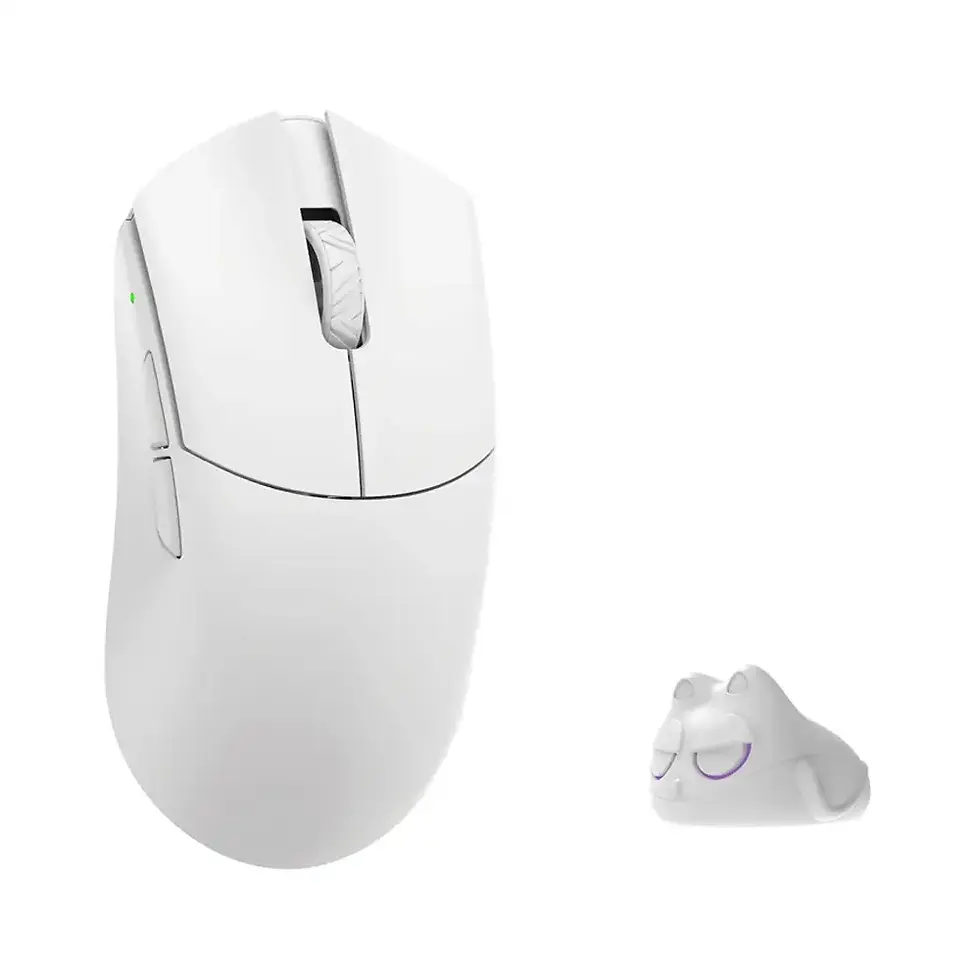
Keyboard & Mouse Position
Close enough to avoid reaching
Forearms parallel to the floor
Wrists neutral (not bent upward)
Footrest (Highly Recommended)
Especially if you’re short or your desk is non-adjustable
Reduces pressure on lower back and improves circulation
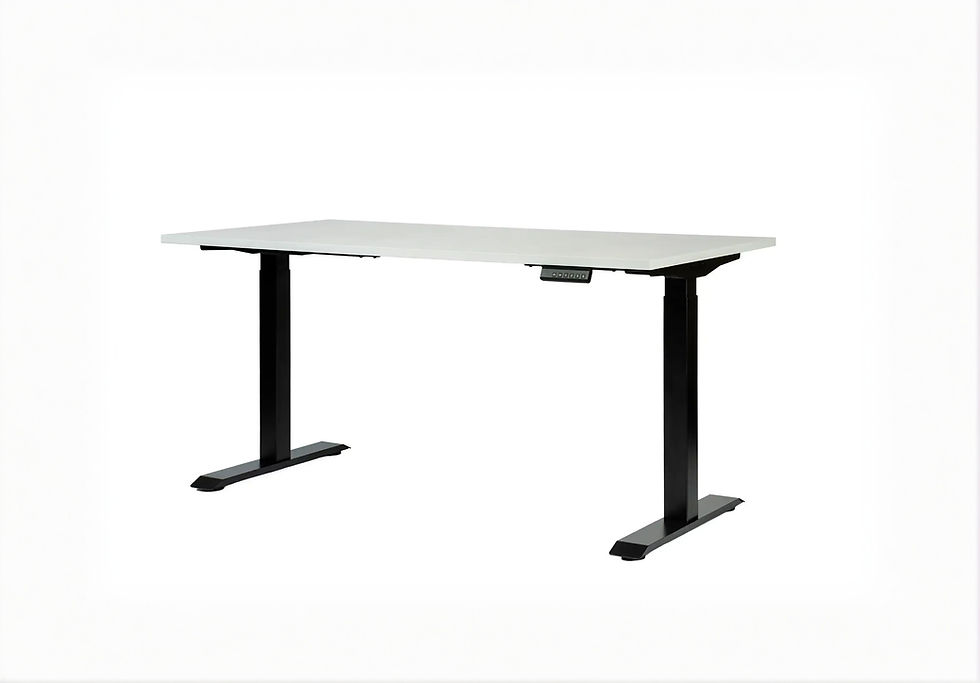
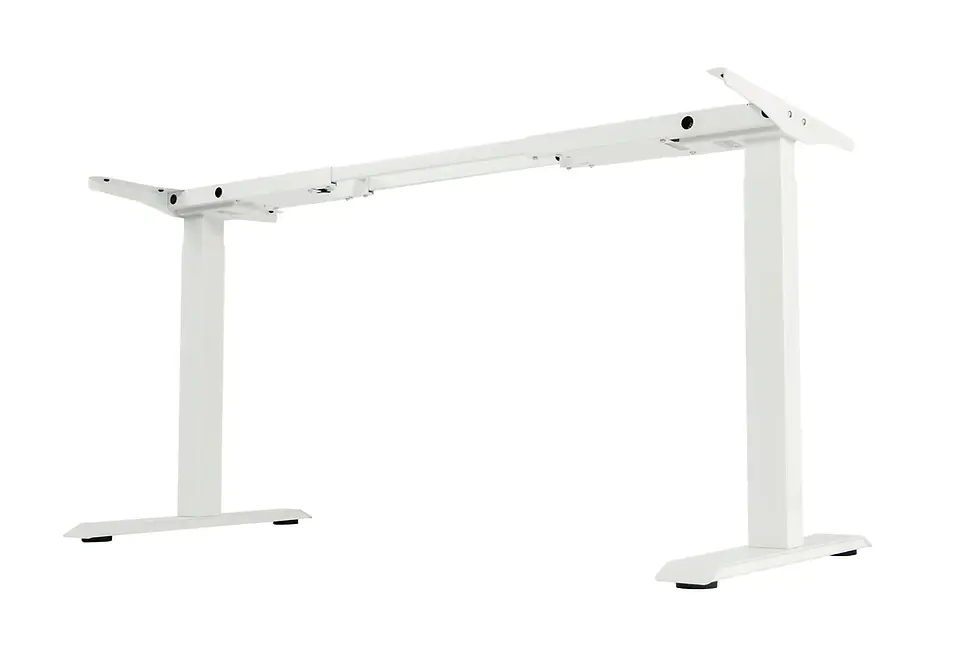
Standing Desk or Sit-Stand Routine
Alternating sitting and standing reduces stiffness
Standing ratio ideal for 2026 guidelines: 20–30% of the workday
Most Common Sitting Mistakes (And Easy Fixes)
Leaning Forward / “Laptop Hunch”
Fix: elevate monitor, bring screen closer, adjust lumbar.
Crossing Legs
Looks comfortable but twists the pelvis → back pain. Fix: keep feet flat, use footrest if needed.
Sitting at 90° for Hours
Too rigid, increases pressure on discs. Fix: recline 110–120° and move periodically.
Armrests Too High
Leads to shoulder tension. Fix: lower them until shoulders relax naturally.
Chair Too Deep
Causes slouching .Fix: reduce seat depth or add a lumbar cushion.
Movement Strategy: The 2026 Rule for Healthy Sitting
The “20–8–2 Rule”:
Sit for 20 minutes
Stand for 8 minutes
Move/stretch for 2 minutes
Small movement breaks are more important than “perfect posture.”
FAQ — Office Chair Ergonomics & Sitting Correctly (2026)
1. What is the correct sitting posture for office work?
A neutral spine, feet flat, hips slightly above knees, and a 110–120° recline.
2. How high should my chair be?
High enough so knees form a 90° angle and feet rest fully on the floor.
3. Should I use a lumbar support pillow?
Yes, if the chair’s built-in lumbar isn’t adjustable or doesn’t match your spine shape.
4. Is it bad to sit all day even with perfect ergonomics?
Yes — movement is essential. Static posture, even ideal, strains muscles over time.
5. How often should I adjust my sitting position?
Every 20–30 minutes. Micro-movements prevent stiffness and fatigue.





















Comments